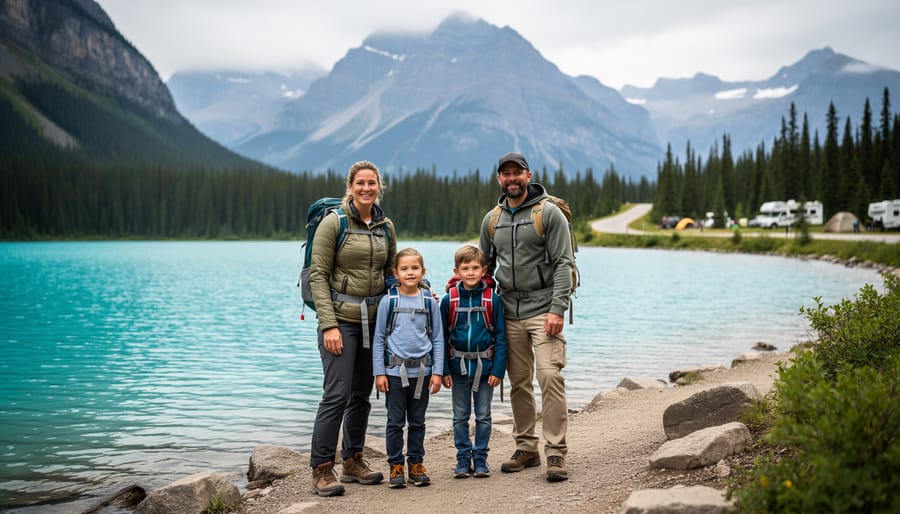
Yes, Canada’s national parks offer multiple ways to visit for free. Parks Canada provides free admission through annual Discovery Days, the library pass program available at participating libraries across the country, and automatic free entry for youth 17 and under year-round. I’ve saved hundreds of dollars using these programs during my road trips across the country, and once you know the system, planning budget-friendly park adventures becomes second nature.
The best part? These free access programs work at all 48 national parks and reserves, from the turquoise lakes of Banff to the rugged coastlines of Gros Morne. Last summer, my family visited Jasper, Yoho, and Kootenay in one week using a library pass I’d reserved months in advance. The savings paid for an extra night’s camping and a guided hike I wouldn’t have splurged on otherwise.
Understanding when and how to access free admission takes a bit of planning. Parks Canada typically announces their free admission days in January, and library passes book up fast during peak summer months. I’ve learned that visiting shoulder seasons in May or September gives you better odds of snagging a library pass while also avoiding the crowds that pack popular parks in July and August.
How We Chose These Parks
I’ve visited dozens of Canadian national parks over the years, and choosing these eight for free entry wasn’t just about which ones waive admission fees. I focused on parks I know personally, places accessible enough for families with young kids and twenty-somethings on road trips alike. You’ll find a balance here, from famous destinations like Banff that everyone dreams about to quieter gems like Riding Mountain that rarely make the headlines.
Geography mattered too. I wanted to showcase Canada’s incredible diversity, from the Rockies to the Atlantic coast, so you’d have options whether you’re exploring West Canada attractions or planning a Maritime adventure. Most importantly, each park on this list works seamlessly with Parks Canada’s free admission programs, no complicated booking systems or limited-capacity restrictions that turn “free” into frustrating. These are places where showing up on the right day actually gets you in without hassle.
1. Banff National Park, Alberta, The Icon Worth Every Free Day
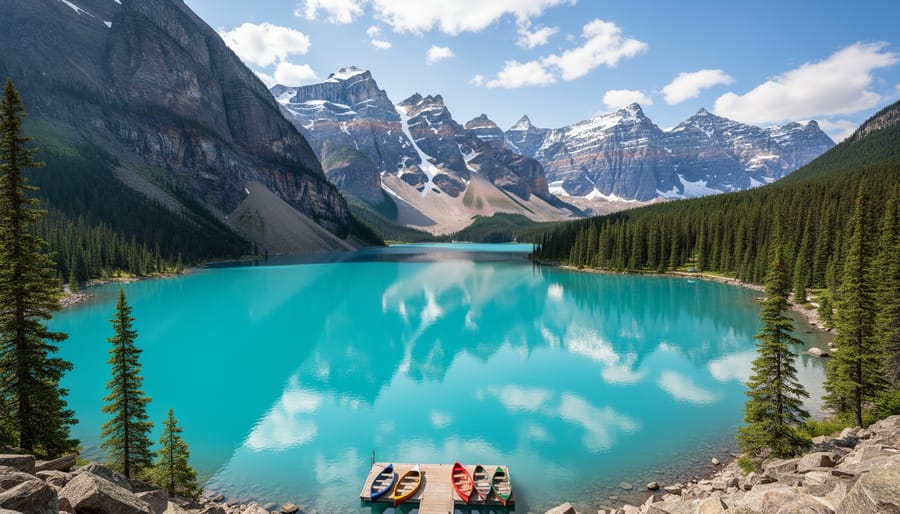
I’ll be honest, my first visit to Banff on a free admission day felt like winning the lottery. Standing at Lake Louise with that turquoise water stretching toward the glaciers, knowing I hadn’t paid the usual entry fee, made the experience even sweeter. Banff remains Canada’s most iconic park for good reason, and accessing it free transforms what could be an expensive trip into an absolute steal.
The trick is knowing when and how to visit. I learned quickly that free days mean crowds, especially at Lake Louise and Moraine Lake. Arrive before 7 AM or after 6 PM to snag parking, or better yet, use the Parks Canada shuttle system from the Lake Louise park-and-ride. Moraine Lake Road typically opens late May through mid-October, and parking fills by 5:30 AM on peak summer days, free or not.
The town of Banff itself deserves a full afternoon. Wander Banff Avenue, grab coffee at one of the local spots, and soak in mountain views without spending a dime on admission. For first-timers eager to discover the West Banff delivers that postcard-perfect Rocky Mountain experience.
Winter visits offer fewer crowds and spectacular beauty, perfect if you’re into Canada winter sports. Mid-September through early October brings golden larches and manageable visitor numbers, making it my favorite season to use free admission days. Just remember that parking and shuttle reservations still apply, even when entry is free.
2. Jasper National Park, Alberta, Quieter Mountain Magic
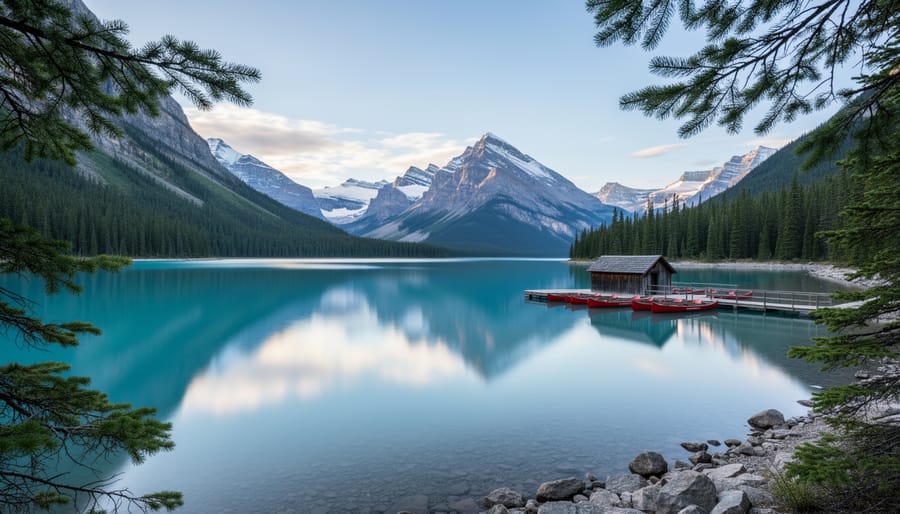
I’ve been visiting Jasper for years, and here’s what I always tell friends: if you want the Rocky Mountain experience without fighting for parking spots, make Jasper your priority on free admission days. While everyone rushes to Banff, Jasper offers that same jaw-dropping alpine beauty with actual breathing room.
Last summer, I spotted a black bear foraging roadside near Athabasca Falls, just me, two other cars, and this magnificent creature. That’s the Jasper difference. The wildlife here seems more relaxed, probably because they’re not surrounded by tour buses. Elk wander through town at dawn, and if you’re patient near Maligne Lake, you might catch bighorn sheep navigating the cliffsides.
Speaking of Maligne Lake, the 22-kilometer drive to reach it feels like a scenic adventure on its own. The iconic Spirit Island viewpoint requires a boat tour (not free, unfortunately), but walking the lakeshore trails costs nothing and delivers those postcard-worthy turquoise waters framed by peaks.
Athabasca Falls deserves at least an hour. The thundering water carves through limestone canyon walls, and multiple viewpoints let you experience the raw power from different angles. I love visiting in late afternoon when the light hits just right.
Pro tip: combine your free Jasper day with a drive down the Icefields Parkway toward Banff. This iconic Canadian scenic drive connects both parks, and technically you can visit two national parks on the same free admission day. Stop at some of Alberta’s most stunning roadside viewpoints along the way, like Sunwapta Falls and Peyto Lake (just inside Banff’s border). Pack snacks, fill your tank in Jasper, and give yourself the full day.
3. Pacific Rim National Park Reserve, British Columbia, Coastal Wilderness
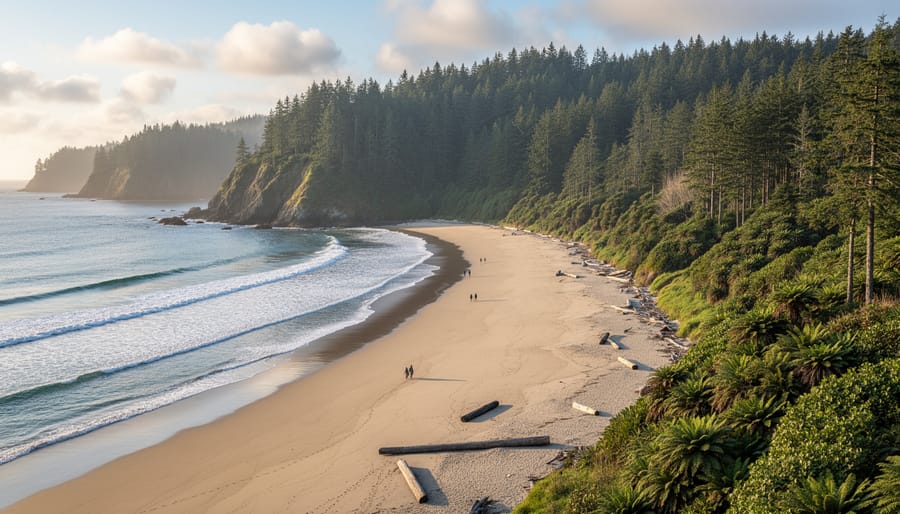
I visited Pacific Rim in late September, and the shoulder season turned out to be perfect timing. Long Beach stretched endlessly before me, wild and windswept, with dramatic surf crashing against the shore. The summer crowds had vanished, leaving just a handful of beachcombers and surfers braving the cool Pacific waters.
The rainforest trails behind the beach offer a completely different world. I wandered through the Rainforest Trail’s ancient cedars and hemlocks, some more than 800 years old, their massive trunks draped in moss. The sound of waves faded, replaced by dripping water and bird calls. It’s hard to believe you’re minutes from the ocean.
Storm-watching season runs November through February, and locals told me the free admission days during this period offer incredible value. Waves can reach 20 feet high, and watching them pummel the coastline from the safety of the beach or your car is genuinely thrilling.
For beachcombing, hit the beach at low tide. I found Japanese glass fishing floats, sand dollars, and countless shells. Keep your eyes on the offshore rocks for sea lions, and scan the horizon for gray whale spouts during migration season. The park rangers run tide pool talks that help you spot anemones, sea stars, and tiny crabs hiding in the rocky crevices.
Pack layers. The coastal weather shifts quickly, even in summer.
4. Gros Morne National Park, Newfoundland and Labrador, East Coast Drama
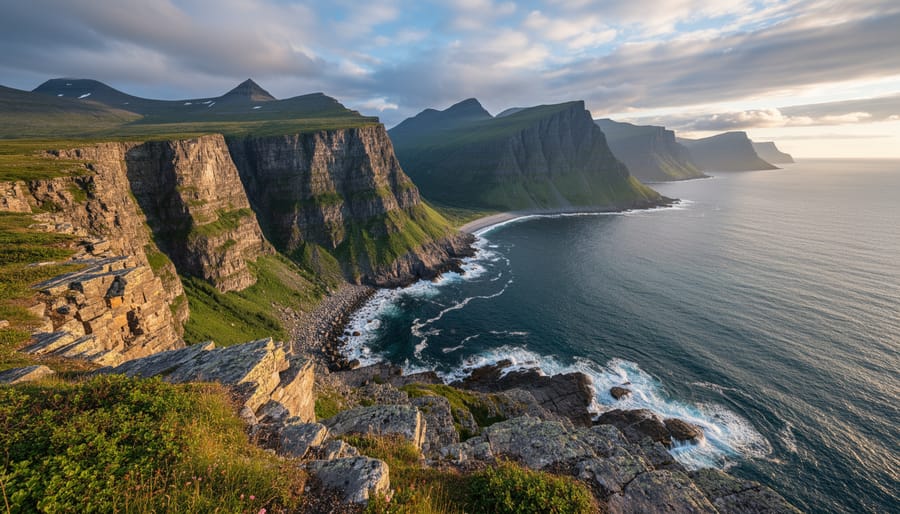
I’ll never forget standing at the edge of Western Brook Pond, staring up at those 2,000-foot cliffs rising from the water like something out of Middle Earth. Gros Morne delivers geology so dramatic it’s a UNESCO World Heritage Site, and yes, you can experience all of it on free admission days.
The park’s star attraction is the Tablelands, where the earth’s mantle has been thrust up to the surface. You’re literally walking on rocks from deep inside the planet, which explains the barren, Mars-like orange landscape. The 4-kilometer trail is easy enough for kids but feels otherworldly. When I hiked it last September, a geologist was offering free guided walks, explaining how plate tectonics created this rare exposure.
Western Brook Pond deserves its reputation as one of Canada’s most spectacular fjords. The 16-kilometer round-trip hike to the boat dock is flat and manageable, though you’ll want to budget for the boat tour itself (that fee isn’t waived). Even from shore, the cascading waterfalls are breathtaking. Pro tip: go in June when snowmelt makes the falls most dramatic.
The journey to Newfoundland takes commitment, flights aren’t cheap, and the ferry from Nova Scotia takes seven hours, but free park entry helps offset those costs for budget travelers. Plus, you’re combining this park with exploring Newfoundland and the friendly locals in nearby Rocky Harbour. When admission doesn’t drain your wallet, you can splurge on fresh lobster instead.
5. Bruce Peninsula National Park, Ontario, Turquoise Waters Close to Home
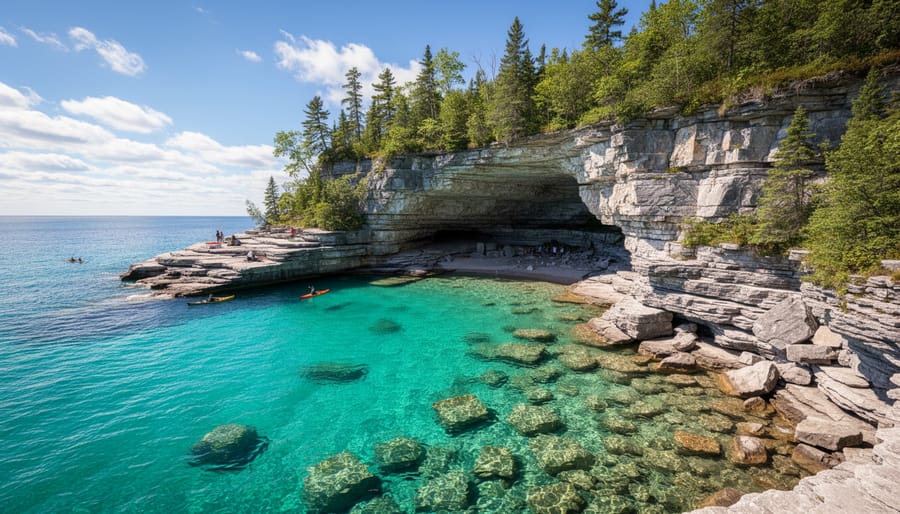
I’ve been to the Bruce Peninsula three times now, and I’m still amazed that turquoise water this stunning exists just a few hours from Toronto. The first time I visited the Grotto, I honestly thought someone had edited the photos I’d seen online. Nope, Georgian Bay really does glow that brilliant shade of blue-green, especially on sunny days when the limestone cliffs reflect the light.
The Grotto is the star attraction here, and for good reason. This natural sea cave carved into the Niagara Escarpment creates a swimming hole that feels almost tropical, despite being firmly in Ontario. I learned the hard way that arriving mid-morning on a free admission day means serious crowds, so now I aim for early morning or late afternoon visits. The hike from the main parking lot takes about 45 minutes along rocky trails that aren’t stroller-friendly, but my nine-year-old nephew managed it just fine with breaks.
Beyond the Grotto, the coastal trails along Georgian Bay offer incredible views without the crowds. The Cyprus Lake area has easier, shorter loops perfect for families with younger kids, and you can spot chipmunks and painted turtles along the boardwalks. We packed a picnic and spent an entire afternoon exploring the shoreline, collecting smooth stones and watching kayakers navigate the crystal-clear waters.
The park sits about three hours north of Toronto, making it ideal for a long weekend or even an ambitious day trip during free entry days.
6. Riding Mountain National Park, Manitoba, Prairie Meets Forest
I’ve saved Riding Mountain for last on my Prairie road trip more times than I care to admit, and it’s always blown me away how underrated this gem is. Just three hours northwest of Winnipeg, it’s incredibly accessible for a weekend getaway, yet it feels like you’ve stepped into a completely different world where boreal forest crashes into rolling prairie.
My most memorable visit was during a free admission day in early June. I arrived at Clear Lake just after sunrise and had the beach practically to myself, something that would never happen at Banff on a free day. The lake’s turquoise waters rivalled anything I’d seen out west, and I spent the morning kayaking before the crowds arrived.
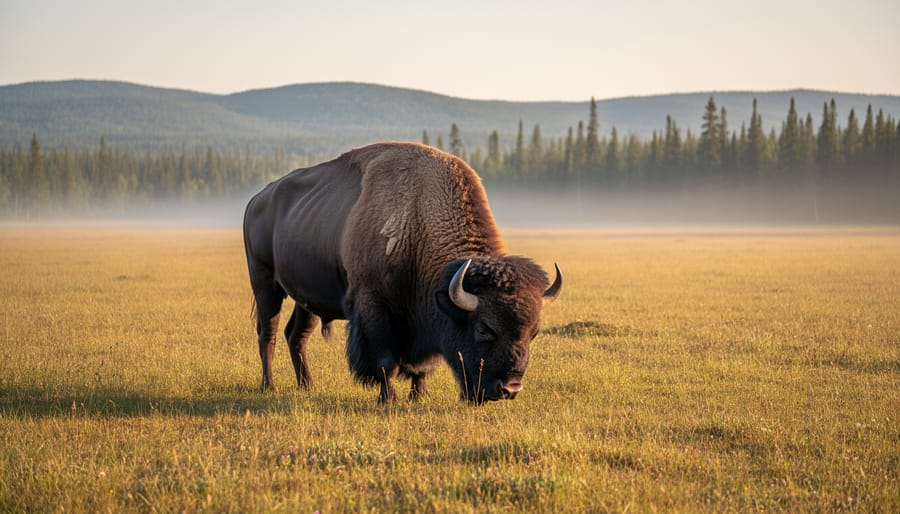
The real magic happened on the Lake Audy Road, where I encountered a massive bison herd grazing near the roadside. We pulled over and watched calves playing while their mothers kept watchful eyes. Unlike the frenzied wildlife viewing at more popular parks, we shared the moment with just one other family.
For families on a budget, this park is perfect. The trails around Clear Lake are easy and short, ideal for younger kids, and the campground is well-maintained without the premium prices of western parks. Pick up your souvenir at the Parks Canada Store before you leave to remember your visit.
7. Cape Breton Highlands National Park, Nova Scotia, Coastal Drives and Celtic Charm
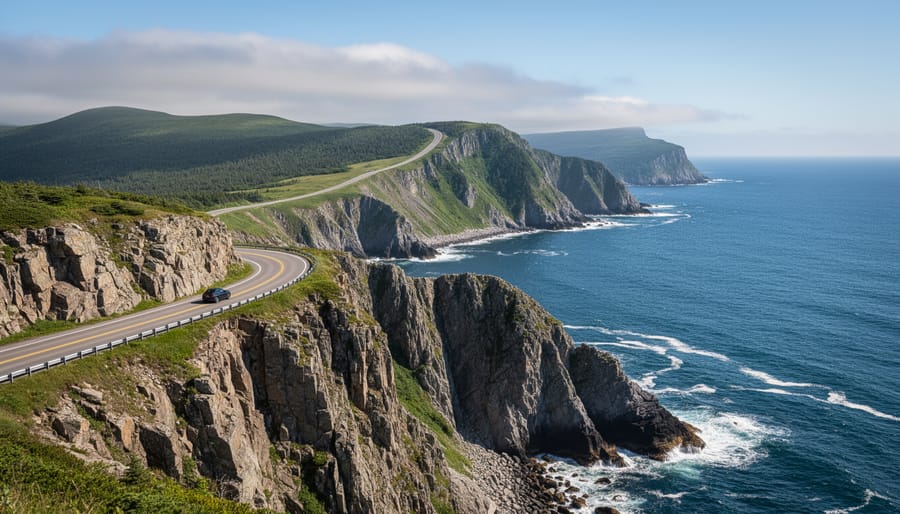
Cape Breton Highlands National Park sits on the northern tip of Nova Scotia, where the Cabot Trail winds along dramatic coastal cliffs that plunge into the Atlantic. I drove this section on a September morning when fog lifted just as I reached the lookouts near Pleasant Bay, revealing whales breaching in the water below. The timing was perfect, early fall means fewer crowds on free admission days and peak whale migration season.
The park encompasses some of the Cabot Trail’s most spectacular portions, including the switchbacks at French Mountain and the skyline stretches where you can pull over at designated viewpoints. My favorite stop was the Skyline Trail boardwalk at sunset, where I watched the sun drop into the Gulf of St. Lawrence while moose grazed in the meadow behind me. For road trip planning build in extra time, those viewpoints are irresistible.
Whale watching peaks from June through October, with pilot whales and minke whales common near the coast. I’ve had my best sightings from the Beulach Ban Falls trail, which offers both coastal views and a quick waterfall hike. Visit early morning or late afternoon when lighting makes the red cliffs glow and wildlife becomes more active. The Celtic music tradition in nearby Chéticamp adds cultural richness to the natural beauty, making this park worth the journey east.
8. Fundy National Park, New Brunswick, World’s Highest Tides
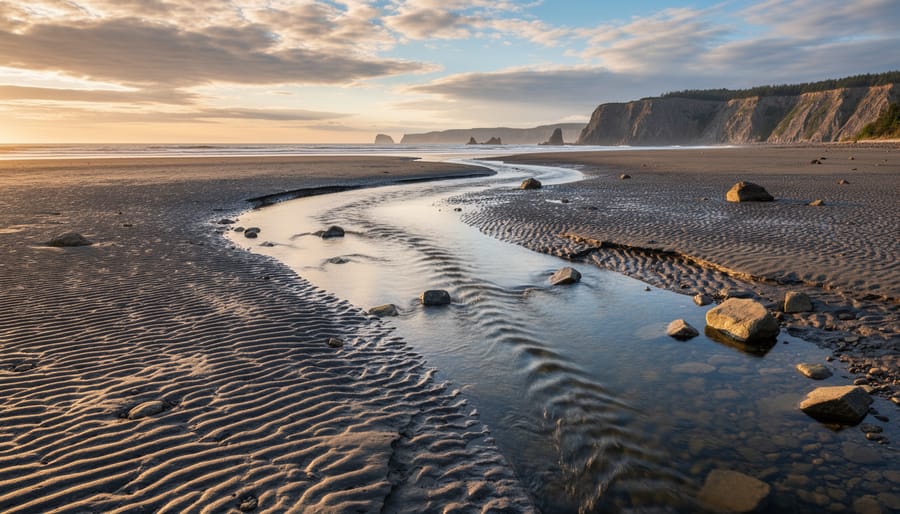
I still vividly remember standing on the Fundy shore watching the water recede so fast I could practically see it moving, an entire bay floor exposing itself in what felt like minutes. Fundy National Park showcases the world’s highest tides, with water levels shifting up to 16 meters twice daily. It’s genuinely mesmerizing, and timing your free visit around the tide schedule transforms this park from interesting to unforgettable.
The key is hitting the beach at low tide. I walked out onto the red-sand ocean floor at Alma Beach, surrounded by barnacle-covered rocks that had been underwater just hours before. My kids treated it like a temporary playground that nature revealed twice a day. The park staff post daily tide tables at the visitor center, and I’d recommend checking them the night before so you can plan accordingly.
Beyond the tides, Fundy delivers excellent waterfall hikes, Dickson Falls is an easy 1.5-kilometer loop that’s perfect for families, while Third Vault Falls offers a bit more challenge. Both stay accessible even during peak summer crowds, and on free admission days, you’re still looking at plenty of parking and trail space.
This park works beautifully for short visits. You can experience the main highlights in half a day, making it ideal when you’re road-tripping through the Maritimes on a budget.
Insider Secrets: Maximizing Your Free Park Visit
Here’s the thing about free park days that I learned the hard way: just because admission is free doesn’t mean you can show up unprepared. Over years of visiting Canadian national parks on budget trips, I’ve figured out how to make these free opportunities work without any last-minute surprises.
First, understand that Parks Canada offers free admission on specific dates throughout 2026, including Canada Day (July 1), Family Day in February, and several others announced on their website. Youth under 18 always get in free year-round, which makes family trips much more affordable. The library pass program is brilliant but requires planning, check with your local library system weeks in advance since passes book up quickly, especially for summer weekends.
The Discovery Pass itself becomes particularly valuable on free days if you’re planning a road trip. While you won’t need it for admission on those specific dates, having one means you can visit other parks on non-free days during the same trip. I’ve combined free Canada Day visits to Banff with stops at smaller parks along the way, maximizing the value.
Here are the insider moves that save the most money and hassle:
- Book accommodations and campsites months ahead, free admission days draw massive crowds
- Arrive at popular spots like Lake Louise before 6 AM or after 6 PM to avoid parking chaos
- Pack all your food and water since park concessions still charge full price
- Reserve any guided programs or boat tours weeks early as these aren’t included in free admission
- Download offline maps since cell service is spotty and you won’t want to waste time getting lost
- Bring your own camping gear, backcountry permits may still require fees even on free days
What still costs money might surprise you. Camping fees apply unless specifically waived, hot springs admission is separate, boat rentals aren’t covered, and special activity permits (like backcountry camping or fishing licenses) still require payment. I once assumed everything was free on Canada Day and got caught needing cash for a campsite, don’t be me.
The real secret? Combine multiple parks on road trips during free weekends. I’ve done Banff and Jasper in one long weekend, hitting both on free admission days while camping between them. With smart planning, you can experience some of Canada’s most spectacular landscapes for just the cost of gas and groceries.
Common Questions About Free National Park Access
Planning a free visit to Canada’s national parks? Here are the answers to questions I get asked most often.
When are the free admission days in 2026?
Parks Canada typically offers free admission on select dates throughout the year, including Canada Day. Check the official free admission dates for 2026 to plan your visit around these opportunities.
How does the library pass program work?
Many Canadian public libraries offer free Parks Canada Discovery Passes that you can borrow just like a book. You’ll need a library card, and passes are typically available for a week at a time. Book ahead since they’re popular, especially in summer.
Are camping fees waived on free admission days?
No, free admission only covers the park entry fee. You’ll still need to pay for camping, backcountry permits, hot springs access, and guided programs. However, day-use is completely free on these dates.
What do youth need for free entry?
Visitors 17 and under always get free admission to national parks. Bring government-issued photo ID or a birth certificate to verify age. Review the free youth admission requirements before your first visit.
One tip I’ve learned: you can absolutely visit multiple parks on the same free day if you’re road-tripping. I once hit both Banff and Jasper on Canada Day, which saved our family over $40 in admission fees.
There’s something magical about standing in a Canadian national park, knowing you’re experiencing some of the world’s most spectacular scenery without spending a dime on admission. I’ve watched sunrise over Lake Louise, hiked through ancient rainforests in Pacific Rim, and marveled at the tides in Fundy, all during free entry days, and these experiences remind me why I fell in love with Canadian travel in the first place.
The eight parks I’ve shared represent just a fraction of what Parks Canada offers, but they’re all places where I’ve created lasting memories without breaking the bank. Whether you’re a young adventurer planning your first cross-country road trip or a family looking to introduce your kids to Canada’s natural wonders, 2026 is the perfect year to take advantage of free admission programs. Mark those free dates on your calendar, grab your library pass, and start planning your own Canadian travel experience. These parks aren’t just free to enter; they’re priceless in what they offer our souls.