
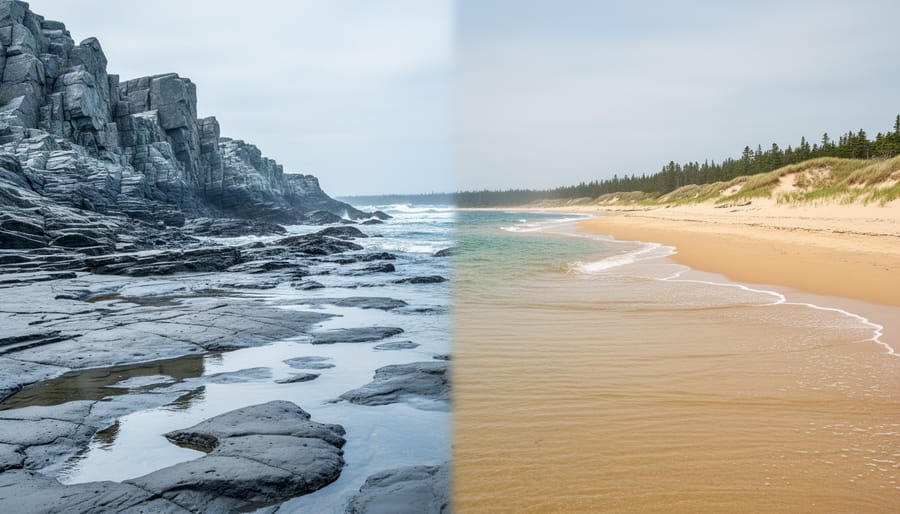
New Brunswick is home to two spectacular national parks: Fundy National Park, famous for the world’s highest tides, and Kouchibouguac National Park, known for its warm saltwater beaches and family-friendly vibe. If you’re planning a visit right now, you’re in luck. Parks Canada is offering free admission from June 19 to September 7, 2026, plus 25% off camping and overnight stays during that same window, making this the perfect summer to explore both.
I’ve visited both parks multiple times, and they couldn’t be more different. Fundy pulls you in with its dramatic coastal cliffs and those incredible 16-meter tides that reshape the shoreline twice a day. Kouchibouguac, on the other hand, feels like summer camp done right, with sandy beaches, kayaking through marshes, and trails that are perfect for kids and beginner hikers. Both parks sit on the unceded territory of the Mi’gmaq people, and you’ll find interpretive programs that share Indigenous history and connection to the land.
With Canada’s free national parks initiative in full swing this summer, there’s never been a better time to experience New Brunswick’s wild coastlines and protected forests. Whether you’re chasing the tides at Fundy or lounging on the dunes at Kouchibouguac, you’ll leave with a deeper appreciation for why these two parks are among the Maritime’s most treasured landscapes.
How We Ranked New Brunswick’s National Parks
Choosing between Fundy and Kouchibouguac isn’t about finding a winner and loser, both parks are incredible. But after multiple visits to each and countless conversations with fellow travelers, I’ve developed a clear sense of what makes each park shine for different types of visitors. Here’s how I approached this ranking.
I evaluated both parks based on what matters most when you’re actually planning a trip to New Brunswick:
- Natural attractions and uniqueness, what experiences can you have here that you can’t find anywhere else
- Accessibility for different traveler types, from families with young kids to adventure-seekers and road-trippers
- Activity variety across seasons, including hiking, water sports, wildlife viewing, and winter options
- Camping facilities and accommodation options, especially important with reservations launching in January 2026
- Seasonal considerations like the free admission period from June 19 to September 7, 2026, and when each park is at its best
I’ve personally explored both parks during different seasons and paid attention to how other visitors use these spaces. The family cycling the boardwalk at Kouchibouguac has different needs than the adventure photographer timing their visit around Fundy’s extreme tides. Both are valid ways to experience New Brunswick’s coast.
This ranking reflects which park offers the most distinctive, must-see natural phenomenon paired with the broadest appeal. That doesn’t mean the second-ranked park is second-rate, it just means one edges ahead for most first-time visitors to the province. If you have time, you should absolutely visit both.
1. Fundy National Park, The Tidal Powerhouse
What Makes Fundy Stand Out
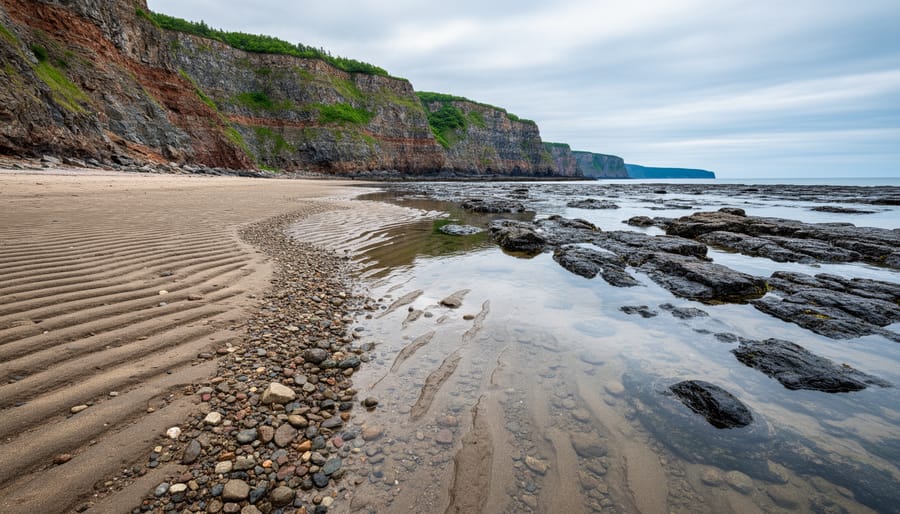
The tides at Fundy aren’t just impressive on paper, they’re genuinely staggering when you witness them in person. Twice every day, the Bay of Fundy experiences tide heights up to 16 metres which is roughly the height of a four-story building. I’ve stood at the Hopewell Rocks (just outside the park) and watched the water level drop so dramatically that areas you could kayak through in the morning become sandy walking paths by afternoon. It’s wild.
For the best views inside Fundy National Park, head to Point Wolfe Beach or Herring Cove. The transformation is most dramatic at these coastal access points, where you can literally walk on the ocean floor at low tide and explore tidepools teeming with sea stars, periwinkles, and crabs.
Timing is everything here. Check the tide tables before you arrive, they’re posted at park entrances and visitor centres, and plan your day around the six-hour cycle between high and low tides. My insider tip? Arrive about an hour before low tide. You’ll catch the water receding in real time, which is mesmerizing, and you’ll have the prime tidepool exploration window before the ocean rushes back in. The tides wait for no one, so respect the posted times and always keep an eye on the water when you’re down on the flats.
Top Things to Do at Fundy
The park’s trail network gives you access to everything from gentle waterfall walks to challenging coastal scrambles. Dickson Falls, a 1.5-kilometre loop, takes about 30 minutes and winds through a lush Acadian forest to a cascading waterfall, it’s paved and accessible for most visitors, making it perfect if you’re traveling with kids or prefer an easier outing. For something more demanding, the Coastal Trail stretches 10 kilometres along dramatic cliffs with jaw-dropping Bay of Fundy views, though you’ll want proper hiking boots and a few hours to tackle it.
The real magic happens when you time your visit around low tide. Head down to the shore at Herring Cove and you’ll walk on the ocean floor among tide pools teeming with periwinkles, sea anemones, and crabs. I’ve watched families spend hours here, kids completely absorbed in discovering what the retreating water left behind. Just grab a tide chart at the visitor center so you don’t get caught when those powerful tides start rushing back in.
Here’s what else you can dive into:
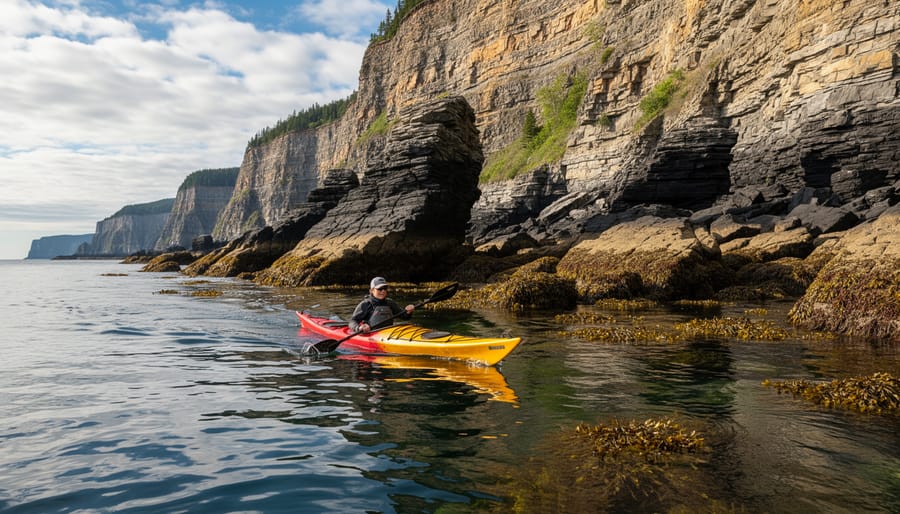
- Kayaking along the dramatic coastline during high tide to explore sea caves and coastal formations
- Mountain biking the park’s inland trails through forests and valleys
- Camping at one of four campgrounds, from full-service sites to backcountry spots
- Cross-country skiing and snowshoeing through transformed winter landscapes
- Swimming at the heated saltwater pool when the Bay waters are too cold
Book your campsite as soon as reservations open in January 2026, especially if you’re planning a summer visit during the free admission period from June 19 to September 7. The most popular sites near the coast fill up fast. Winter transforms Fundy into a quieter wonderland with groomed trails for skiing, though you’ll trade the crowds for solitude and a completely different kind of beauty.
2. Kouchibouguac National Park, The Coastal Gem
Why Kouchibouguac Is Perfect for Families
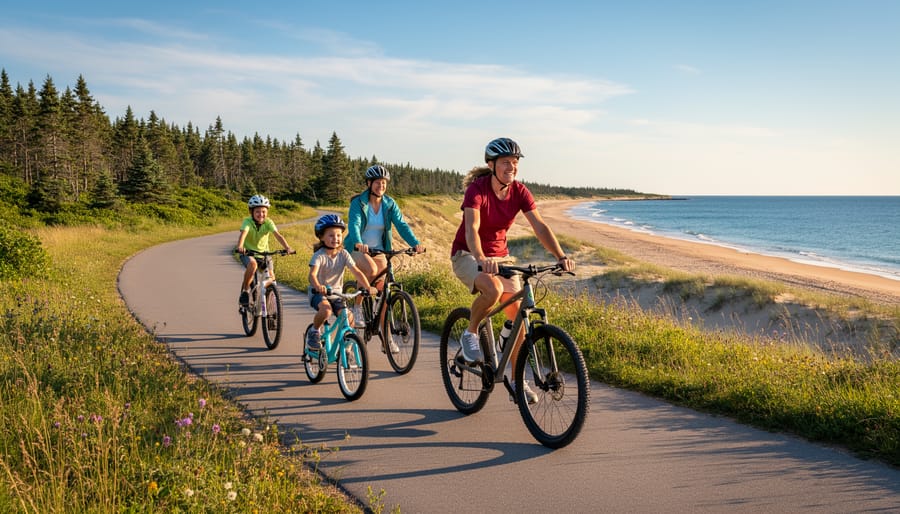
Kouchibouguac won me over the moment I watched my niece sprint barefoot across Kelly’s Beach, the warm shallow lagoons making her squeal with delight instead of the usual cold-water shock you get at Atlantic beaches. The park’s flat, paved Coastal Trail lets families cycle together without worrying about steep climbs or technical sections, and rentals are available right at the visitor center if you don’t bring your own bikes. Those famous boardwalks mean strollers and wheelchairs navigate easily, which makes this park genuinely inclusive for everyone.
The lagoons stay surprisingly warm through summer because they’re shallow and sheltered, perfect for kids still building confidence in the water. Unlike Fundy’s dramatic tidal swings and rocky coastline, Kouchibouguac offers gentle terrain where little legs won’t tire quickly and parents can relax instead of constantly watching footing. We spent hours at the beach, built sandcastles, and took breaks in the shade without driving anywhere.
Rentals cover everything from bikes to kayaks, and the park offers guided canoe adventures designed for families. My tip: check weather forecasts before you go, pack sun protection for those exposed boardwalks, and bring water shoes for exploring the tide pools along the beach edges where kids love hunting crabs.
Best Experiences at Kouchibouguac
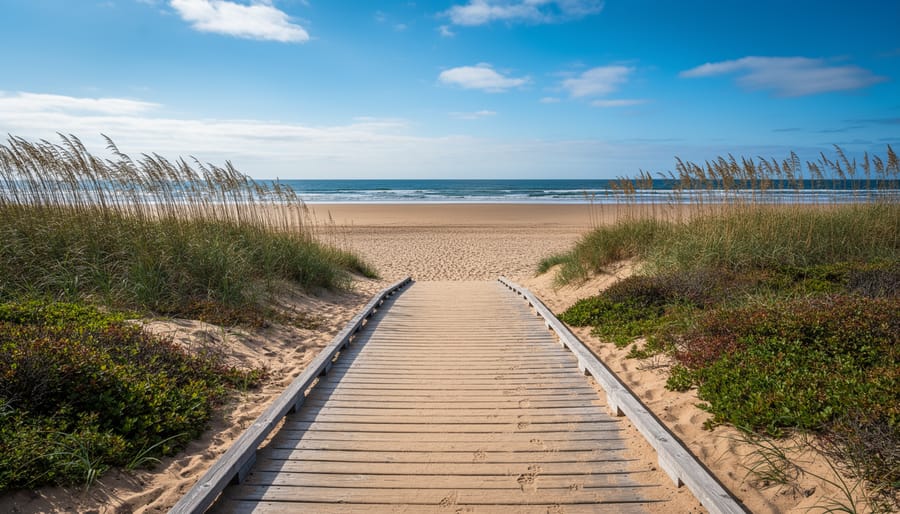
Kelly’s Beach is the crown jewel, a seemingly endless stretch of warm sand backed by dunes and accessible via an elevated boardwalk that protects the fragile ecosystem. The shallow lagoons here warm up nicely by mid-summer, making them perfect for a proper swim without the shock of Atlantic cold. I spent an entire afternoon just wading through the calm waters, watching kids build sandcastles while their parents lounged under beach umbrellas.
The Coastal Trail is where Kouchibouguac really shines for cyclists. This flat, well-maintained route winds through salt marshes, forests, and along lagoon edges, giving you a taste of every ecosystem the park protects. You can rent bikes right at the visitor centre if you didn’t bring your own. It’s gentle enough that you’re not huffing and puffing, instead, you’re actually enjoying the scenery and stopping to snap photos of the bogs and boardwalks.
- Kelly’s Beach for swimming in warm lagoons and relaxing on pristine sand
- Cycling the Coastal Trail through marshes, forests, and along lagoon edges
- Voyageur Canoe Marine Adventure for a guided paddle with Parks Canada interpreters
- Birdwatching in the salt marshes and bogs, especially during spring and fall migration
- Camping at South Kouchibouguac with 25% off during the June 19, September 7, 2026 promotion
The Voyageur Canoe Marine Adventure is a hidden gem, you paddle a massive canoe with a guide who shares Mi’gmaq stories and ecosystem knowledge. Birdwatchers should bring binoculars; the marshes attract piping plovers, great blue herons, and dozens of migratory species. While this park doesn’t offer the same challenging terrain as Canada’s best hiking trails it delivers a quieter, more contemplative coastal experience. The campground at South Kouchibouguac has both serviced and unserviced sites, and with that 25% discount this summer, it’s an affordable base for exploring.
Planning Your Visit: What You Need to Know for 2026
Here’s the smartest way to plan your New Brunswick national parks adventure. Parks Canada is rolling out free admission June 19, September 7, 2026 plus 25% off camping and overnight stays during the same window. That’s a massive summer savings opportunity, but it also means competition for the best sites will be fierce.
When you’re ready to book campsites prioritize Fundy’s Headquarters Campground or Point Wolfe if you want full facilities, and Kelly’s Beach area at Kouchibouguac for easy beach access. Both parks are about three hours apart by car, making a combined trip totally doable if you have four to five days.
For crowd management, visit Fundy mid-week in early June or late September when the weather’s still decent but the tour buses haven’t arrived. At Kouchibouguac, mornings before 10am offer the quietest beach experience, even in peak summer. If you’re road-tripping between both parks, the scenic coastal route through Moncton adds only 30 minutes but gives you proper Acadian food stops.
Weather-wise, July and August deliver the warmest water temperatures at Kouchibouguac’s lagoons, while Fundy’s dramatic tides are spectacular year-round. Pack layers regardless of season, coastal fog can roll in fast. For general preparation beyond park specifics, check out these Canada travel tips before you head out.
The Complete List
1. Fundy National Park, World’s Highest Tides and Dramatic Coastal Adventure
Perched on the Bay of Fundy’s rugged coastline, this park delivers the planet’s most extreme tidal range, up to 16 meters twice daily, transforming the landscape from ocean floor to crashing waves in hours. You’ll find challenging hiking trails like Dickson Falls and Laverty Falls, thrilling kayaking through sea caves, and the surreal experience of walking where whales swim just hours later. Perfect for adventurers and nature lovers who want jaw-dropping scenery and active exploration.
2. Kouchibouguac National Park, Family-Friendly Beaches and Gentle Coastal Beauty
Named for the Mi’gmaq phrase meaning “river of long tides,” Kouchibouguac offers warm saltwater lagoons, 25 kilometers of pristine sandy beaches, and flat cycling trails winding through diverse ecosystems. The accessible Kelly’s Beach boardwalk, calm shallow waters ideal for kids, and unique Voyageur Canoe Marine Adventures make this the go-to choice for families, casual cyclists, and anyone seeking a more relaxed coastal experience with Acadian cultural touches.
What to Remember
New Brunswick’s two national parks pack wildly different coastal experiences into one small province, and visiting both will show you just how diverse Atlantic Canada’s landscapes can be. With the 2026 free admission window and camping discounts arriving this summer, there’s never been a better time to explore Fundy’s dramatic tidal theatre and Kouchibouguac’s gentle lagoons in one memorable trip. Book your reservations when they open in January, respect the Mi’gmaq territories these parks protect, and give yourself enough time at each location to experience the tides, trails, and beaches that make them irreplaceable.
Frequently Asked Questions
How many national parks are in New Brunswick?
New Brunswick is home to two national parks: Fundy National Park along the Bay of Fundy and Kouchibouguac National Park on the province’s eastern shore. Both parks sit on unceded Mi’gmaq territory and offer completely different coastal experiences worth exploring.
Can you visit both parks in one trip?
Absolutely! The two parks are about a three-hour drive apart, making them perfect for a New Brunswick road trip. I’ve done it myself and recommend spending at least two days at each park to really experience what makes them special.
Do you need reservations to visit?
Day-use entry doesn’t require reservations, but I strongly recommend booking ahead for camping and overnight accommodations. Reservations for the 2026 season open in January, and popular summer dates (especially during the free admission period) fill up fast.
What’s included in the free admission period?
From June 19 to September 7, 2026, day-use entry to both parks is completely free. You’ll also get 25% off camping and overnight stays during the same period, but you still need to book and pay for those accommodations separately.
Are the parks open year-round?
Yes, both Fundy and Kouchibouguac are accessible throughout the year, though activities and services change with the seasons. Summer brings beach days and full camping facilities, while winter opens up opportunities for snowshoeing and cross-country skiing on quieter trails.
These answers cover the essentials I wish I’d known before my first visits. The free admission period in 2026 is a fantastic opportunity to explore both parks without entry fees, though you’ll want to plan ahead since word is getting out and these places are gaining popularity for good reason.