
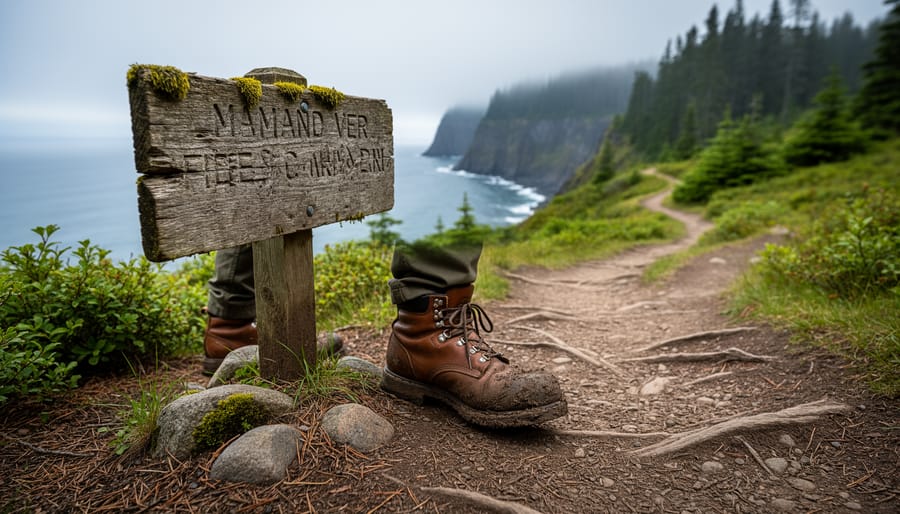
Canada’s best hiking trails span from the rugged Pacific coastline to the ancient Niagara Escarpment, and choosing where to lace up your boots depends entirely on which region you’re visiting. I’ve divided this guide by geography so you can quickly pinpoint the trails accessible from your travel base, whether you’re flying into Vancouver, road-tripping through Ontario, or exploring Quebec’s backcountry.
The difference between a memorable hike and a disappointing slog often comes down to matching trail difficulty to your group’s ability and knowing current conditions before you go. After years of hiking across Canada with my own family (including two kids who complain loudly when trails exceed their tolerance), I’ve learned that the “best” trail isn’t always the most famous one. It’s the trail that fits your timeframe, fitness level, and the landscape you’re craving that day.
This regional approach matters because most travelers don’t have unlimited time to chase trails across the country. You need to know what’s within a few hours of where you’re already staying. I’ve selected eight trails that represent distinct Canadian landscapes, from multi-day backcountry routes like the West Coast Trail in Pacific Rim National Park Reserve (yes, with its 100-plus ladder systems and river crossings) to family-friendly day hikes that won’t require bear spray or advanced navigation skills.
Each trail below includes honest difficulty ratings, what makes it special, and the practical details that actually affect your planning, like registration requirements on the Bruce Trail’s 900-plus kilometers or current fire bans you need to respect. Let’s get you on the path.
How I Chose These Regional Trail Gems
I didn’t just throw darts at a map of Canada to pick these trails. Each one earned its spot based on criteria that matter when you’re actually planning a trip, not just browsing pretty photos.
Here’s what guided my choices:
- Regional diversity across Canada so you can find a great trail wherever your travels take you
- Range of difficulty levels from accessible day hikes to multi-day backcountry challenges
- Family-friendliness for sections suitable for kids and less experienced hikers
- Distinctive natural features that showcase different Canadian ecosystems
- Current accessibility with 2026 conditions and regulations verified
I wanted to represent the country’s incredible geographic spread, from the Pacific to the Atlantic to the northern territories. That means if you’re visiting Nova Scotia, you won’t have to read through five Alberta trails before finding something relevant. And because I know travelers have different comfort levels and time constraints, I’ve included everything from gentle coastal walks to serious backcountry expeditions. Every trail offers something you can’t quite find anywhere else, whether that’s iceberg views, prairie badlands, or historic teahouses perched below glaciers.
1. West Coast Trail, British Columbia, Epic Pacific Backcountry Challenge
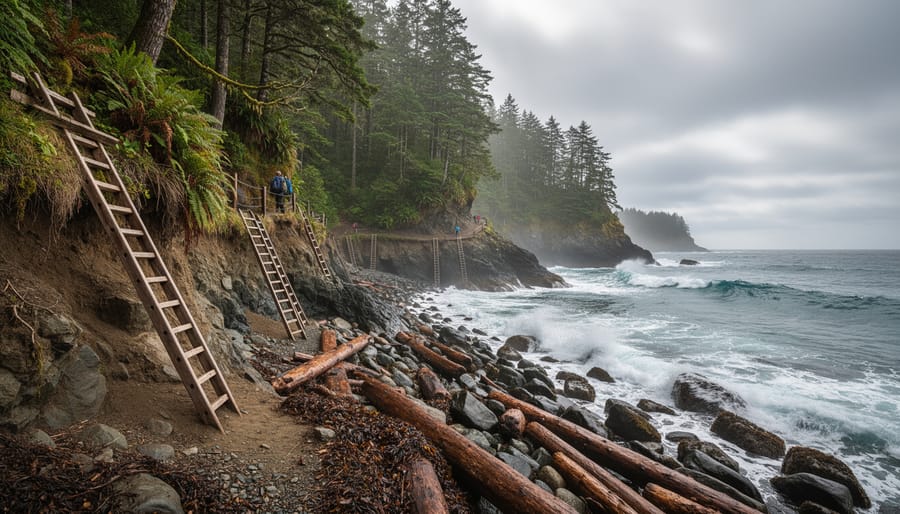
The West Coast Trail isn’t for everyone, and that’s exactly what makes it legendary. Stretching 75 kilometers along Vancouver Island‘s rugged Pacific coast in Pacific Rim National Park Reserve, this multi-day backcountry trek delivers the kind of raw, unfiltered wilderness experience that experienced hikers dream about, and remember forever.
I won’t sugarcoat it: this trail will test you. You’ll climb over 100 ladder systems that cling to cliff faces above crashing waves, wade through knee-deep mud that seems determined to claim your boots, and navigate fast-flowing rivers where a misstep means more than wet socks. The weather can turn brutal without warning, throwing heavy wind and rain at you even in summer months. But here’s the thing, every soaked, muddy, ladder-climbing moment pays off with coastal scenery so dramatic it feels almost unreal. Sea stacks rising from the surf, ancient rainforest draped in moss, tide pools teeming with life, and the kind of solitude that’s increasingly rare on this planet.
If you’re planning for 2026, factor in those closures when mapping your itinerary. The fire ban means no campfires for cooking or warmth, so bring a reliable camp stove and extra fuel.
My insider tip? Don’t skimp on your footwear or waterproof gear. This trail laughs at cotton and cheap rain jackets. Invest in proper boots you’ve already broken in, pack everything in dry bags, and bring trekking poles, your knees will thank you on those endless ladder descents. The West Coast Trail rewards preparation with an adventure you’ll be talking about for years.
2. Bruce Trail, Ontario, Canada’s Longest Marked Footpath
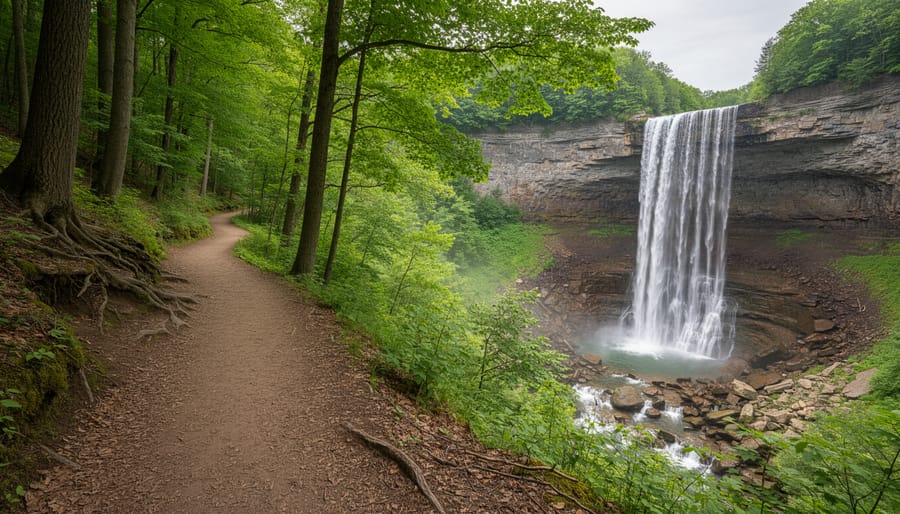
The Bruce Trail runs 900 km along the Niagara Escarparpment from Niagara to Tobermory, making it Canada’s oldest and longest marked footpath. What makes it special for travelers exploring Ontario is its incredible accessibility: you don’t need to commit to a multi-day expedition. With over 450 km of side trails connecting to the main route, you can tackle everything from a two-hour family stroll to a week-long section hike.
I fell hard for this trail during a spring hike near Hamilton, where I watched Webster’s Falls thunder over the escarpment edge while my niece collected wildflowers on the gentle approach path. That’s the Bruce Trail in a nutshell: dramatic Niagara Escarpment geology paired with trails that welcome different fitness levels. The southern sections near Niagara offer accessible waterfall hops perfect for families, while the rugged northern stretches through the Bruce Peninsula challenge experienced hikers with rocky terrain and backcountry camping.
The landscape shifts dramatically as you move north. You’ll walk through hardwood forests exploding with fall color, cross farmland with sweeping views, navigate cedar forests clinging to cliffsides, and emerge onto Georgian Bay shorelines with impossibly clear water. Each section feels like a different trail entirely.
One practical note: registration is now required for all Bruce Trail hikes, so plan ahead and register online before you head out. This helps with trail maintenance and ensures you have current condition updates.
For budget-conscious travelers, the Bruce Trail shines. Most access points have free parking, towns along the route offer affordable accommodations, and you can easily string together day hikes from a single base rather than paying for backcountry permits or expensive shuttles.
3. Québec National Trail, Nine Regions of French-Canadian Beauty
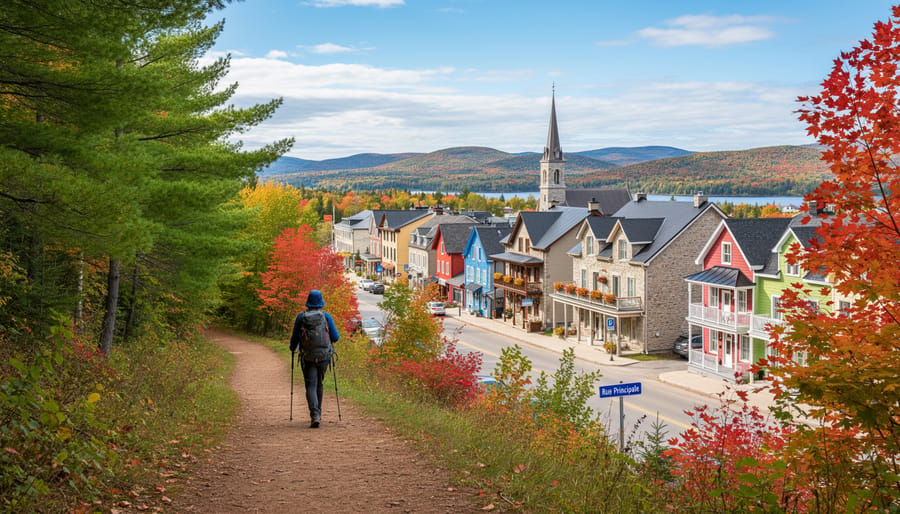
The Québec National Trail stretches across nine distinct tourist regions, and I can tell you from experience that no other Canadian trail weaves hiking with cultural discovery quite like this one. You’ll walk through francophone villages where locals greet you in French, pass historic stone churches, and stop at rural dépanneurs for fresh croissants before continuing into forests and along waterways that shift character with each region.
What makes this trail system special is how it mirrors Québec’s geographic and cultural diversity. One day you’re climbing the Laurentian mountains with views of lakes and autumn hardwoods, the next you’re following riverside paths through agricultural valleys where farms have operated for generations. The trail passes through communities where you can stay in gîtes (B&Bs), chat with Québécois innkeepers over breakfast, and get recommendations for the best local poutine before hitting the path again.
This blend of nature and culture means you’re never far from civilization, which makes the Québec National Trail accessible for various skill levels. Choose flatter riverside sections if you’re hiking with kids or want easier terrain. Pick mountain segments in the Laurentians or Charlevoix if you’re after elevation and challenge. I’ve seen families doing short day hikes between villages and serious backpackers tackling week-long sections with full packs.
The trail connects you to Québec’s character in a way that highway travel simply can’t match. You experience the landscape at walking pace, encounter locals in small towns tourists rarely visit, and gain insight into francophone Canada’s distinctive identity. It’s hiking with a cultural education built right in.
4. Skyline Trail, Nova Scotia, Coastal Headlands and Sunset Magic
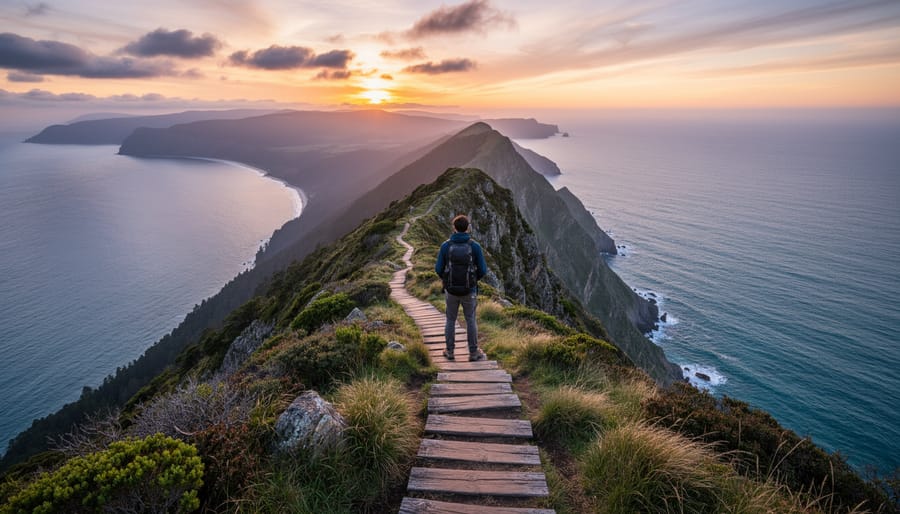
I’ll never forget hiking the Skyline Trail on a September evening when the setting sun turned the Gulf of St. Lawrence into liquid gold. This 8.2-kilometre loop in Cape Breton Highlands National Park ranks among Canada’s most accessible coastal spectacles, and it delivers drama without demanding technical skills.
The headlands here feel completely different from British Columbia’s rainforest-draped West Coast. Instead of towering cedars and dense undergrowth, you’ll walk across exposed highland plateau where wind-sculpted stunted trees cling low to the ground. The Maritime ecosystem thrives on fog, salt spray, and fierce Atlantic gales, creating a landscape that feels more akin to Scottish moorland than typical Canadian wilderness.
Families love this trail because the gentle grade and well-maintained boardwalk sections make it manageable for kids who can handle a couple of hours outdoors. My seven-year-old cousin practically sprinted the final stretch to the viewpoint, fueled by promises of spotting moose in the bogs below.
Wildlife watching here is exceptional. Moose frequently browse the wetlands visible from the ridgeline, especially during early morning and evening hours. I’ve seen bald eagles riding the updrafts along the cliffs, their white heads brilliant against the blue sky.
Timing matters tremendously. Arrive 90 minutes before sunset if you want the golden hour magic without rushing back in darkness. The westward views mean you’re watching the sun drop straight into the ocean, painting the headlands in shades of amber and rose that photographs simply can’t capture.
5. Plain of Six Glaciers, Alberta, Rockies Majesty with a Teahouse Reward
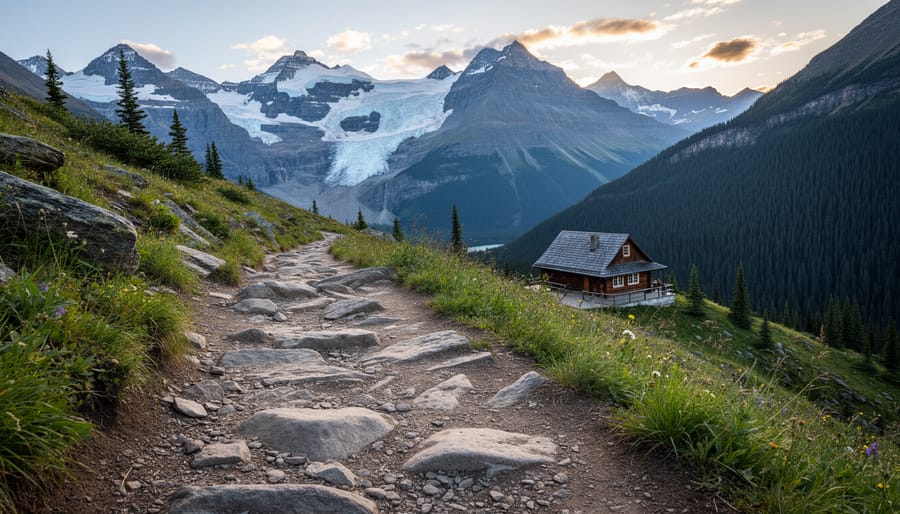
The Plain of Six Glaciers trail delivers everything people picture when they imagine hiking in the Canadian Rockies, without requiring advanced mountaineering skills. Starting from the turquoise waters of Lake Louise, this 14-kilometer round trip climbs steadily through alpine forest before opening onto sweeping views of Victoria Glacier and the surrounding peaks that give the trail its name.
What makes this hike special is the destination: a rustic teahouse perched on a rocky outcrop, built in 1927 for alpinists heading to nearby climbing routes. After gaining about 365 meters of elevation, you can order fresh-baked goods and hot tea while glacier ice literally hangs above you on the mountainside. It’s surreal sipping Earl Grey with that backdrop, and the teahouse operates on solar power with supplies packed in by horse.
The trail is absolutely manageable for families with older kids who can handle a few hours of uphill walking. The path is well-maintained and clearly marked, though it does get rocky and steep in sections as you approach the teahouse. I’ve seen plenty of parents with determined eight-year-olds making the climb.
Here’s my insider advice: start your hike before 7 a.m. if possible. Lake Louise is one of Canada’s most photographed spots, and by mid-morning the parking lot overflows and the trail gets congested. Early starts mean cooler temperatures, fewer people, and better chances of spotting mountain goats on the cliffs. The teahouse opens around 9 a.m., perfectly timed for a breakfast reward after your climb.
This trail works beautifully as an introduction to Rockies hiking because it’s challenging enough to feel accomplished but forgiving enough that you’re not white-knuckling through exposed scrambles.
6. Chilkoot Trail, Yukon/BC, Gold Rush History Meets Wilderness
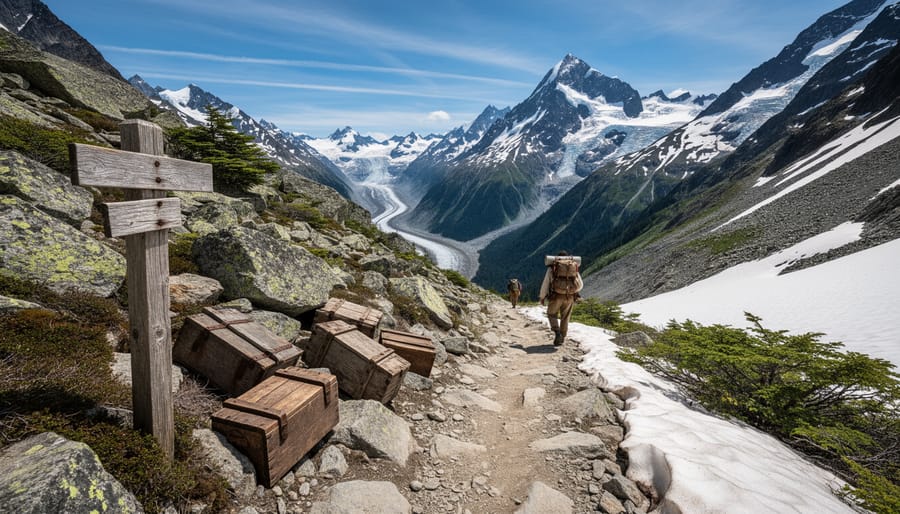
Walking in the footsteps of desperate gold seekers from 1898 gives the Chilkoot Trail a haunting atmosphere you won’t find on any other Canadian hike. This 53-kilometer journey starts in Dyea, Alaska and crosses the border into British Columbia before ending in Bennett, BC, making it one of the few trails where you’ll need your passport tucked in your pack alongside your tent and bear spray.
What makes this trek genuinely special is the tangible history scattered along the route. You’ll pass rusted mining equipment, old boots, and remnants of stampeders’ camps, all abandoned over a century ago when thousands climbed this same brutal path seeking Klondike gold. The most challenging section is the Golden Stairs, where prospectors hauled their mandatory ton of supplies up a 45-degree scree slope. Modern hikers get to appreciate that same climb without the crushing weight, though it’s still a thigh-burning scramble.
Most people complete the trail in three to five days, depending on fitness and weather. You’ll need a permit from Parks Canada (which includes a quota system to protect the route), and careful planning around shuttle logistics since the trailhead and endpoint are in different locations. The elevation gain through coastal rainforest to alpine tundra creates dramatic scenery shifts, and the solitude of the northern wilderness feels worlds away from busy Rocky Mountain trails.
This isn’t a beginner’s choice. You’ll face unpredictable weather, creek crossings, and genuine remoteness. But if you want a hiking story that blends adventure with palpable history, literally walking through an outdoor museum while backpacking through spectacular wilderness, the Chilkoot delivers an experience you’ll be recounting for years.
7. East Coast Trail, Newfoundland, Rugged Coastline and Icebergs
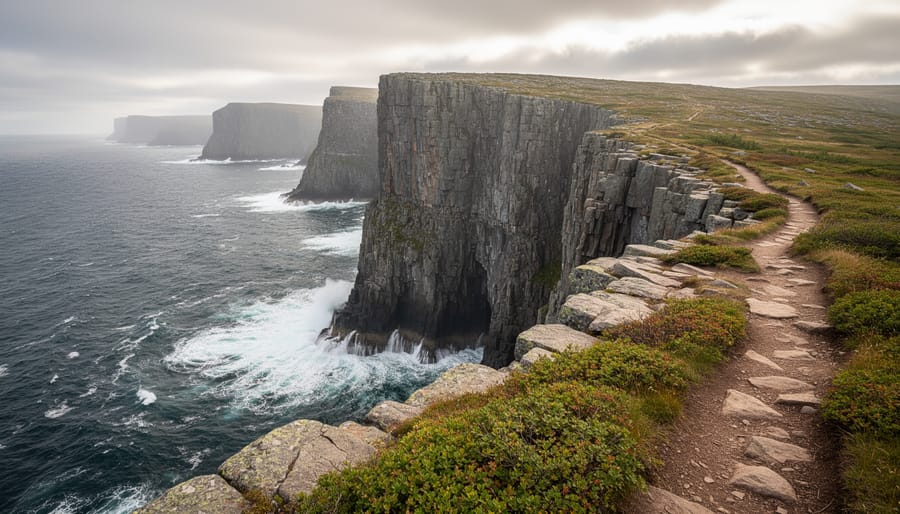
I fell hard for Newfoundland’s East Coast Trail the moment I stepped onto the windswept headlands and saw the Atlantic stretching wild and endless before me. This 336-kilometer trail system hugs some of the most dramatic coastline I’ve ever hiked, and unlike the multi-day commitments required out west, you can tackle it in manageable day sections that suit whatever experience level you’re bringing.
The raw, untamed character here is what sets it apart. One morning you’re watching humpback whales breach offshore, the next you’re scrambling over granite outcrops past thousands of nesting seabirds, and if you time it right between late spring and early summer, you might catch massive icebergs drifting past like ancient sculptures. I’ve hiked coastal trails across Canada, but nothing matches the sheer drama of walking through abandoned outports where weathered fishing shacks cling to rocky coves, reminders of Newfoundland’s resilient past.
Fair warning: the weather changes fast here. I’ve experienced brilliant sunshine, sideways rain, and fog thick enough to slice in a single afternoon. That’s why I always check the weather obsessively before heading out and pack layers in my daypack. Your hiking gear packing list should include a solid waterproof shell and extra socks.
The beauty of the East Coast Trail? It delivers authentic Newfoundland without emptying your wallet. Most trailheads are free to access, and St. John’s offers affordable accommodations as your base. For more money-saving tips and ways to book Parks Canada campsites elsewhere in your Canada travels, you’ll stretch your adventure budget further.
8. Grasslands National Park Trails, Saskatchewan, Prairie Horizon Hiking
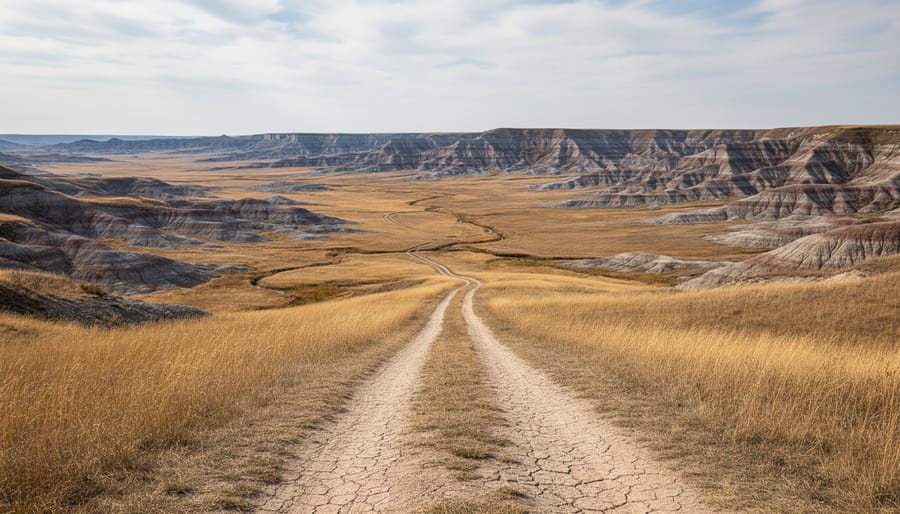
Standing in Saskatchewan’s Grasslands National Park feels like stepping onto another planet. Most travelers speed past the prairies chasing mountains or coastlines, but they’re missing something extraordinary. This is Canada’s only national park protecting mixed-grass prairie, where rolling grasslands stretch to impossibly distant horizons, sculpted badlands rise in sun-bleached formations, and wild bison roam freely.
The Valley of 1000 Devils Trail showcases the park’s otherworldly badlands terrain. Hikers wind through eroded coulees and hoodoos that glow amber and rust in the prairie light. It’s a moderate 4 km loop, but the exposed landscape makes it feel more demanding than the distance suggests. I’ve never experienced silence quite like this, where you can hear your own heartbeat and the whisper of wind through native grasses.
The Ecotour Scenic Drive connects several shorter trails where you might spot bison, pronghorn antelope, or prairie dogs. Wildlife viewing here rivals any mountain park, just on a completely different scale. The Badlands Parkway offers access to the 70 Mile Butte Trail, where the panoramic views prove that “flat” doesn’t mean boring.
Here’s the critical part: there’s zero shade and minimal water sources. Bring more water than seems reasonable, wear serious sun protection, and check those Canada travel tips about extreme weather preparation. Summer temperatures can exceed 35°C, while storms appear out of nowhere across that massive sky.
For solitude seekers and anyone craving a hiking experience unlike any other trail on this list, Saskatchewan’s prairies deliver unexpected magic.
Essential Tips for Hiking Canada’s Best Trails
I’ve hiked enough Canadian trails to learn that preparation makes or breaks your experience. The July 2026 fire ban at Pacific Rim reminded me why I always check Parks Canada and provincial park websites the week before departure, conditions change fast, and nobody wants to drive eight hours to a closed trail. Registration requirements like the Bruce Trail’s system aren’t bureaucratic hassle; they’re safety nets that help rescuers find you if things go sideways.
Canadian weather is famously unpredictable. I’ve started August hikes in shorts and finished in winter gloves at elevation. Layer obsessively: moisture-wicking base, insulating mid-layer, waterproof shell. The West Coast Trail’s deep mud and heavy rain aren’t exaggerations, pack twice the socks you think you need and accept that everything will get wet.
Wildlife encounters require respect, not fear. Parks Canada’s bear spray recommendation for the West Coast Trail applies broadly across backcountry areas. Make noise on blind corners, store food properly, and know what to do if you meet a bear or moose. They’re magnificent from a safe distance.
Before you head out:
- Check Parks Canada or provincial park sites for current closures and fire bans
- Complete all required registrations (like Bruce Trail’s system)
- Pack layers for temperature swings of 20°C or more
- Carry bear spray in wildlife areas and practice using the safety
- Download offline maps, cell coverage is spotty or nonexistent
Money-saving reality: backcountry camping costs a fraction of nearby lodging, but requires gear investment upfront. If you’re new to multi-day trips, rent equipment for your first trek before buying. Leave no trace isn’t optional, pack out everything you pack in, stay on marked trails, and leave those wildflowers for the next hiker to enjoy.
Common Questions About Hiking in Canada
Hiking in Canada involves a few common-sense preparations, and once you know the basics, you’ll feel confident tackling trails coast to coast. Here are the practical answers to questions I hear most often from first-timers.
When is the best season for hiking in each region?
Western and coastal trails like the West Coast Trail shine from June through September, though expect rain anytime. Ontario and Québec offer excellent conditions from May to October, with spectacular fall colors in September. Maritime and Newfoundland trails are best June to September due to unpredictable spring weather and harsh winters. Prairie trails in Saskatchewan are most comfortable in spring and fall when temperatures aren’t extreme.
Do I need permits or registration for these trails?
Yes, for most major trails. Registration is required for all Bruce Trail hikes, and the West Coast Trail needs advance permits that book up months ahead. The Chilkoot Trail requires permits for border crossing, while many provincial and national park trails need either day-use passes or backcountry camping permits. Always check the specific trail’s official website before you go.
How should I prepare for wildlife encounters?
Carry bear spray and know how to use it, especially in BC, Alberta, and the Yukon where bears are common. Make noise on the trail, never approach animals, and store food properly at campsites. In prairie regions, give bison a wide berth, they’re deceptively fast and unpredictable.
Which trail should beginners start with?
The Plain of Six Glaciers near Lake Louise offers stunning scenery without technical difficulty, and sections of the Bruce Trail provide gentle, well-marked routes perfect for building confidence. The Skyline Trail in Nova Scotia is another excellent beginner choice with manageable distance and incredible views.
Cell coverage is spotty to nonexistent on most Canadian wilderness trails, so download offline maps and let someone know your plans before heading out. The West Coast Trail involves climbing over 100 ladder systems and crossing fast-flowing rivers, so physical preparation matters more than gadgets.
Pack layers regardless of season because Canadian weather changes fast. Even summer trails can hit freezing temperatures at night in the mountains or on exposed coastal sections.
Canada’s hiking diversity is honestly one of the country’s greatest gifts to travelers. From the rainforest-clad headlands of Vancouver Island to the windswept badlands of Saskatchewan, there’s a trail that matches exactly where you’re going and what kind of adventure you’re craving. I’ve learned the hard way that chasing some mythical “best” trail across the country makes less sense than finding the perfect regional gem that fits your trip.
Start with one trail that aligns with where you’re already planning to visit. If you’re hitting Ontario for Niagara Falls, add a Bruce Trail section. Exploring the Rockies? The Plain of Six Glaciers delivers that postcard scenery with a teahouse bonus. The beauty of this regional approach is you’ll actually experience the distinct character of each part of Canada instead of just ticking boxes.
I hope to see you out there, whether you’re navigating ladder systems on the West Coast or watching bison cross the prairie horizon. Pick your region, check those 2026 conditions, and go make some trail memories.