
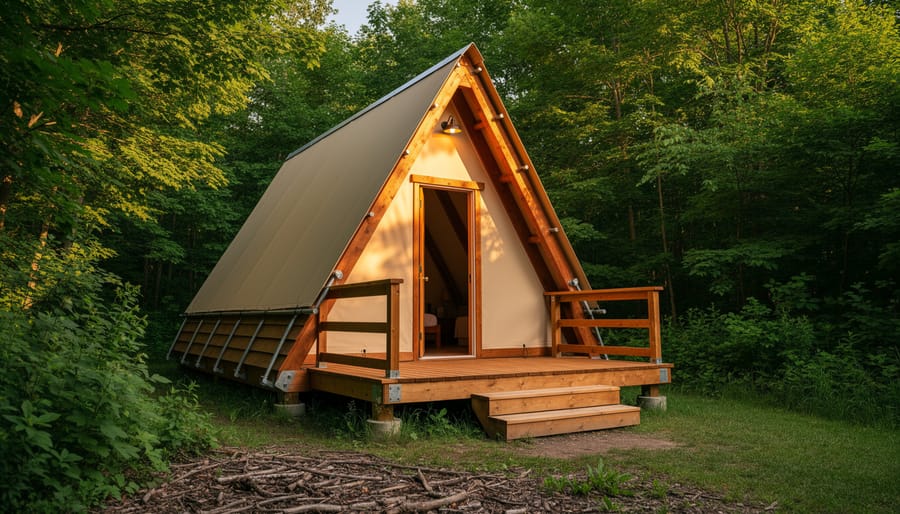
Planning a camping trip to Point Pelee National Park? Here’s what you need to know right away: traditional tent camping isn’t available at the park, but you can stay in one of 24 oTENTik cabin-style accommodations at Camp Henry. These A-frame canvas and wood structures give you the camping experience without hauling a tent, and they’re bookable year-round through Parks Canada’s reservation service.
I’ll be honest, when I first discovered Point Pelee didn’t have regular campsites, I was surprised. But after staying in an oTENTik, I actually prefer it. You get the feel of camping with a roof over your head, real beds, and protection from the swarms of midges that can descend on the park during peak migration season. The sites are nestled in the forest at Camp Henry, giving you a genuine outdoors experience while keeping you close to the park’s incredible birding trails and beaches.
The walk-in setup means you’ll park your car nearby and carry your gear a short distance to your cabin. Check-in starts at 3pm, though if you’re arriving late, self-check-in is available outside office hours. Whether you’re here to witness the famous spring bird migration, explore the Carolinian forest, or simply unplug for a weekend, the oTENTik option makes Point Pelee accessible even if you don’t own camping gear.
What You Need Before Booking Your Camp Henry Stay
Before you fire up that Parks Canada reservation portal, let’s get organized. I learned the hard way on my first attempt, nothing’s more frustrating than getting halfway through booking only to realize you’re missing a key piece of information. Trust me, a few minutes of prep now will save you from starting over mid-reservation.
First, you’ll need to create (or log into) your Parks Canada account if you’re booking online. This takes about five minutes and requires a valid email address. Have your credit or debit card handy for payment, reservations require full payment upfront.
Here’s your complete trip planning checklist before starting your booking:
- Your preferred arrival and departure dates (check-in starts at 3pm)
- Number of guests staying in your oTENTik (maximum 6 people per cabin)
- Vehicle make, model, and license plate number (one vehicle per site)
- Parks Canada Discovery Pass or willingness to purchase entry fees
- Payment method ready for immediate booking confirmation
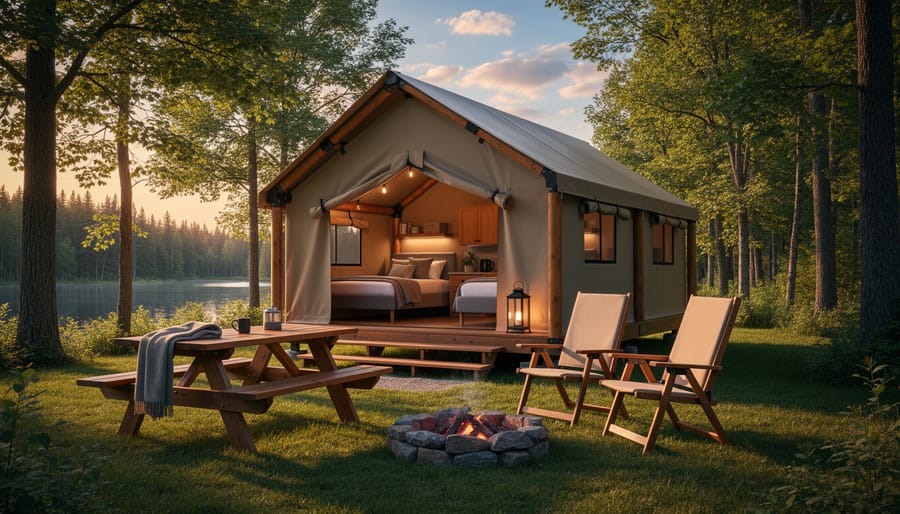
The oTENTik cabins in Camp Henry come equipped with beds, mattresses, a propane heater, outdoor furniture, and a BBQ grill. You’ll bring your own bedding, cooking gear, and food. Think of it as glamping rather than roughing it.
It’s also smart to check your packing and gear needs early. Since sites are walk-in only, consider what you’ll need to carry from the parking area. I keep a rolling cooler specifically for trips like this, it makes that short walk from your vehicle much easier.
Have alternate dates in mind, especially if you’re targeting spring or fall migration seasons when birders snatch up sites months in advance. Flexibility gives you better odds of securing a spot.
Important Considerations Before You Reserve
Before you click that reservation button, there are a few realities about camping at Point Pelee that could make or break your trip. I learned some of these the hard way during my first visit when I showed up with way too much gear and no plan for the walk-in situation.
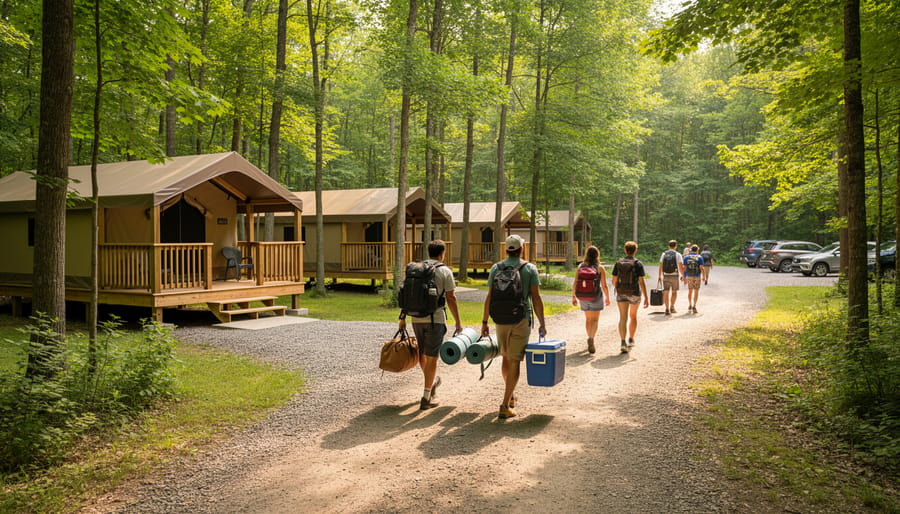
First and foremost, the oTENTik sites are walk-in only, which means you’ll be hauling everything from the parking area to your cabin on foot. The walk isn’t terrible, maybe five to ten minutes depending on which site you’re assigned, but if you’re the type who packs the entire garage for a weekend trip, you’ll want to rethink your strategy. A collapsible wagon or backpack works wonders here.
You’re also limited to one vehicle per site, so coordinate with your camping crew beforehand if you’re arriving separately. Point Pelee sits at Canada’s southernmost tip, which means weather can swing wildly depending on the season, blazing hot and humid in summer, surprisingly cold and windy in spring and fall, even snow in winter. Pack layers and check the forecast obsessively.
Wildlife is part of the magic here, but respect it. Raccoons are clever and persistent, so secure your food. During migration seasons, you’re surrounded by incredible birdlife, but that also means sharing space with nature on its terms. Finally, understand the cancellation policy before you commit. Parks Canada has specific rules about refunds and modifications, and popular dates fill up fast, especially during spring and fall bird migration when Point Pelee becomes a birder’s paradise.
Step-by-Step: Securing Your oTENTik Reservation
Option 1: Booking Online Through Parks Canada
The Parks Canada reservation system is your fastest route to securing an oTENTik at Camp Henry, especially if you’re the type who likes to plan ahead and compare available dates at a glance. I’ve booked through it several times, and while it’s not the sleekest website you’ll ever use, it gets the job done once you know the workflow.
Start by heading to the Parks Canada reservation service website. You’ll need to create an account if you don’t already have one, this is mandatory for any booking. Once you’re logged in, search for “Point Pelee National Park” and select it from the dropdown menu. The system will then prompt you to choose your accommodation type, where you’ll select “oTENTik.”
- Enter your desired arrival and departure dates, keeping in mind the system searches availability in real-time across all 24 sites.
- Browse the available oTENTik sites that appear, each one shows on an interactive map so you can see its location within Camp Henry.
- Click on your preferred site to view specific details, including what’s nearby and any site-specific features.
- Add the site to your cart and proceed to checkout, where you’ll enter your vehicle information and payment details.
- Review all booking information carefully, then complete your purchase to receive an immediate email confirmation with your reservation number.
Here’s what you need to know about timing: if you’re eyeing peak birding season in May, start checking availability in January when the booking window opens. The system releases dates on a rolling basis, and popular spring weekends disappear within days. I’ve had better luck booking midweek stays even during migration peaks.
During summer and fall, you’ll find more flexibility, but holiday weekends still book fast. The site map is genuinely helpful, I always grab sites closer to the parking area when I’m bringing heavier gear, since remember, it’s walk-in only access.
Option 2: Calling the Reservation Line
If you’d rather talk to a real person or have specific questions before committing, calling 1-877-RESERVE (737-3783) is your best bet. I’ve used this route myself when I wanted to ask about which of the 24 sites was closest to the Marsh Boardwalk, and the agent was incredibly helpful.
When you call, have your information ready: the dates you’re hoping for, how many guests will be staying, and a backup date range in case your first choice is unavailable. The reservation agent will ask for your name, contact details, vehicle license plate number (remember, only one vehicle per site), and payment information. They can also answer questions about site locations, accessibility features, and what’s actually included with each oTENTik, which is gold if you’re uncertain about what to bring.
Timing matters here. Early mornings on weekdays typically have shorter wait times, while lunch hours and weekends can leave you on hold. I’ve found calling right when the line opens tends to be smoothest. Some travelers swear by phone booking specifically because they can ask about cancellations that haven’t shown up online yet or get advice about which sites offer more privacy.
The conversation is straightforward and usually takes under ten minutes once you’re connected. The agent will confirm everything verbally, then send your reservation details via email, just like the online system.
Understanding Your Confirmation and What Comes Next
Within minutes of completing your booking, you’ll receive a confirmation email from Parks Canada. This message is your golden ticket, it contains your reservation number, site assignment, arrival dates, and total cost. Save it or screenshot it, because you’ll want this info handy when you arrive.
Your confirmation email also includes a link to manage your reservation online. Through this portal, you can view your booking details anytime, modify dates if your plans shift (subject to availability), or cancel if necessary. Keep in mind that Parks Canada’s cancellation policies apply, so review those terms before making changes.
Now’s the time to start prepping. Check what’s included with your oTENTik and create a packing list for what you’ll need to bring. Note that 3pm check-in time and plan your drive accordingly, arriving early means exploring the park while you wait. If you’re coming after office hours, the self-check-in option keeps things flexible, but you’ll still want your confirmation details accessible on your phone.
Arrival Day: Check-In and Getting Settled
The moment you pull into Point Pelee National Park with your reservation confirmation in hand, that anticipation kicks in. You’ll drive straight to the Visitor Centre area where designated parking for Camp Henry guests is clearly marked. Each oTENTik reservation includes parking for one vehicle, and you’ll want to park as close as possible since you’ll be carrying your gear in.
Official check-in begins at 3pm, but here’s what I learned on my first visit: if you arrive early, you can still enter the park and explore. The Marsh Boardwalk is literally a five-minute walk from Camp Henry, making it the perfect place to kill time if you’re ahead of schedule. I showed up around noon once, stashed a cooler in my car, and spent two hours birding before my site was ready. Just don’t expect to access your oTENTik before 3pm, as the cleaning and turnover process is strict.
When you’re ready to check in, head to the campground office if it’s staffed hours. For those arriving after hours or on days when the office is closed, Parks Canada has a self-check-in system. You’ll find your site assignment posted, along with any important updates about park conditions or wildlife activity. Grab your confirmation number and look for your site details on the board.
Now comes the walk-in part. From the parking area to the Camp Henry sites, it’s genuinely a short stroll through the woods, maybe five to eight minutes depending on which of the 24 sites you’ve been assigned. The path is well-maintained and mostly flat. Here’s how arrival unfolds once you’re checked in:
- Load your gear onto a cart if available, or prepare to make multiple trips with bags and coolers
- Follow the marked trail into the wooded Camp Henry area, watching for site number signs along the path
- Locate your specific oTENTik by its posted number on the cabin exterior
- Unlock your unit using the combination or key provided in your confirmation details
- Do a quick walk-through to familiarize yourself with the space and check that everything’s in order
- Make one final trip back to your vehicle for any remaining gear you couldn’t carry initially
That first moment stepping into your oTENTik after the short forest walk feels special. You’re tucked into the trees, close enough to hear the rustle of leaves and bird calls, yet you’ve got a solid roof and real beds waiting. Take a few minutes to settle in, claim your sleeping spots, and then get out there. You’re camping in Canada’s southernmost national park, after all.
Making the Most of Your Camp Henry Experience
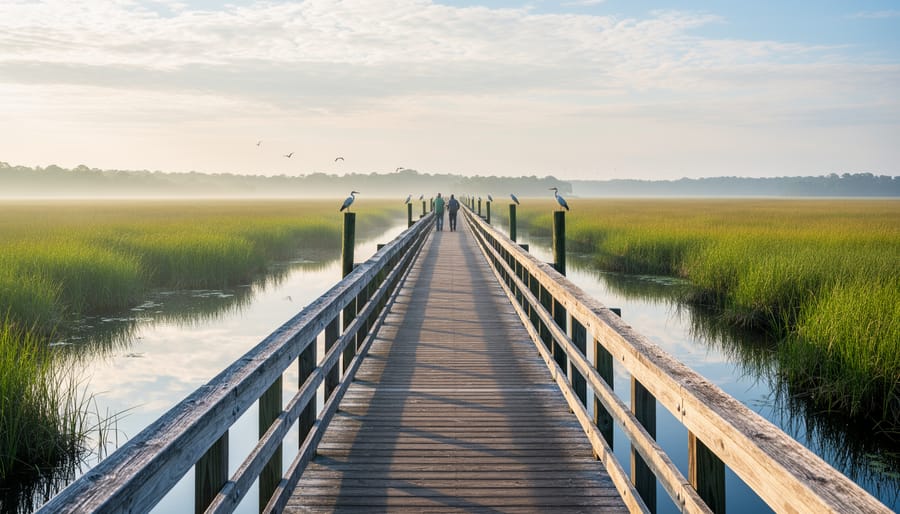
Waking up at Camp Henry puts you in the perfect position to experience Point Pelee like most day visitors never do. I learned this firsthand during my stay, arriving at the Marsh Boardwalk before 8am meant having the entire place to ourselves, watching herons fish in the early light while the mist still hung over the water.
The walk from your oTENTik to the Marsh Boardwalk takes about ten minutes through quiet forest trails, and it’s genuinely spectacular at sunrise when the birds are most active. If you’re visiting during spring or fall migration, grab your binoculars and hit the boardwalk early. The serious birders start arriving around 9am, so you’ll want that peaceful hour beforehand to spot warblers without the crowds.
For the iconic Tip of Canada trail, timing matters differently. Most tour buses arrive between 10am and 2pm, turning the southernmost point into a photography queue. Instead, I’d suggest going right after settling into your site if you arrive early, or waiting until late afternoon when the light’s prettier and the crowds have thinned. The 2-kilometer walk from the visitor centre is flat and easy, perfect for unwinding after your arrival.
The best time to visit depends on what you’re after, spring migration (late April through May) brings incredible birding but books up months ahead, while summer offers warm swimming at the beach and fewer reservation battles. I loved visiting in early October when the monarch butterflies pass through and the park feels almost empty.
Don’t skip the DeLaurier Trail near camp. This short loop through Carolinian forest showcases plants you won’t find anywhere else in Canada, and it’s a peaceful evening stroll when you’re not up for driving to another trailhead. Pack a headlamp, bring snacks back to your oTENTik porch, and enjoy having a national park essentially in your backyard.
Checkout and Departure: Leaving Your Site Ready
The 11am checkout time comes faster than you’d expect after a peaceful stay at Camp Henry. I’ve learned the hard way that rushing through departure means forgetting something, so give yourself at least 30 minutes to properly close up your oTENTik.
Start by doing a thorough sweep of the cabin interior. Check under the beds, in the storage cubbies, and anywhere you might’ve stashed gear. Make sure all provided items, sleeping platforms, table, benches, are still inside and undamaged. If you brought bedding or personal items, double-check you’ve packed everything before locking up.
Here’s your checkout checklist to ensure you’ve completed everything Parks Canada expects:
- Remove all personal belongings and trash from the oTENTik and surrounding site
- Sweep the floor and wipe down any surfaces you used
- Close and latch all windows and doors securely
- Report any damages or issues to the campground office before leaving
- Pack out everything you packed in, leaving no trace of your stay
If you notice any damage during your stay, a torn screen, broken latch, or structural issue, report it to park staff rather than just leaving. They appreciate the heads-up and it prevents the next camper from being blamed.
Parks Canada’s stewardship expectations are simple: leave the site as pristine as you found it, or better. That philosophy applies to the trails you walked and the shoreline you explored too. The walk back to your vehicle gives you one last chance to soak in Point Pelee’s unique ecosystem before you return to the world beyond Canada’s southernmost point.
Common Questions About Point Pelee Camping
Plenty of questions pop up when people first learn about Camp Henry’s unusual setup, so let’s tackle the ones I hear most often.
Can you pitch a traditional tent at Point Pelee?
No, Point Pelee doesn’t offer traditional tent camping. The only overnight camping option in the park is the 24 oTENTik sites at Camp Henry, which are available year-round.
Are the oTENTiks heated for winter camping?
The oTENTik cabins are not heated, but they provide solid shelter from wind and rain. You’ll need to bring warm sleeping bags and layered clothing for colder months, just like you would for winter tent camping.
How far is the walk from parking to your site?
The walk from parking to Camp Henry sites is short, typically just a few minutes through a pleasant wooded area. It’s manageable with camping gear, though you’ll want to pack efficiently since it’s walk-in only with one vehicle per site.
Are pets allowed at Camp Henry?
Pets are permitted at the oTENTik sites and throughout most of Point Pelee, but they must be leashed at all times. Keep in mind the sensitive ecosystem and wildlife you’re visiting.
If Camp Henry is fully booked during your desired dates (especially during spring bird migration when spots disappear fast), there are campgrounds just outside the park boundaries in Leamington. They’re within a short drive of Point Pelee’s entrance, though you’ll miss out on having the park practically to yourself at dawn.
Cell service at Camp Henry is spotty at best. Some carriers get a signal near the campground, but don’t count on streaming videos or making reliable calls. I actually love this forced digital detox, it’s part of what makes the experience feel like true camping.
Campfires aren’t permitted at the oTENTik sites, which surprises many first-time visitors. Instead, you can use the shared communal fire pit area if you want that campfire experience. Bring a camping stove for cooking, and don’t forget to leave these items at home that won’t serve you in a walk-in camping setup.
The lack of traditional tent sites and campfires initially disappointed me, but honestly, the trade-off is worth it. You get comfortable shelter in Canada’s southernmost park without sacrificing that authentic camping connection to nature.
Standing at Canada’s southernmost point, surrounded by the songs of migrating warblers and the rustling of ancient Carolinian forest, I realized that Camp Henry’s oTENTik experience is everything traditional camping aspires to be, connection with nature without sacrificing comfort. The beauty of Point Pelee’s year-round camping option means you’re not limited to summer weekends. You can witness the legendary spring bird migration in May, explore the park’s stunning fall colors in October, or enjoy a peaceful winter retreat when most other campgrounds have closed their gates.
If you’re planning to visit during peak birding seasons, don’t wait to book. Those 24 walk-in oTENTik sites fill up fast when word spreads about the warbler waves. But here’s what I love most: staying overnight transforms your Point Pelee experience from a rushed day trip into something deeper. You’ll catch the marsh at sunrise when the mist is still lifting, have the trails nearly to yourself before the day visitors arrive, and understand why this sliver of land jutting into Lake Erie deserves more than a few hours of your time.
Give yourself the gift of actually camping in Canada’s southernmost national park. Your future self will thank you.