
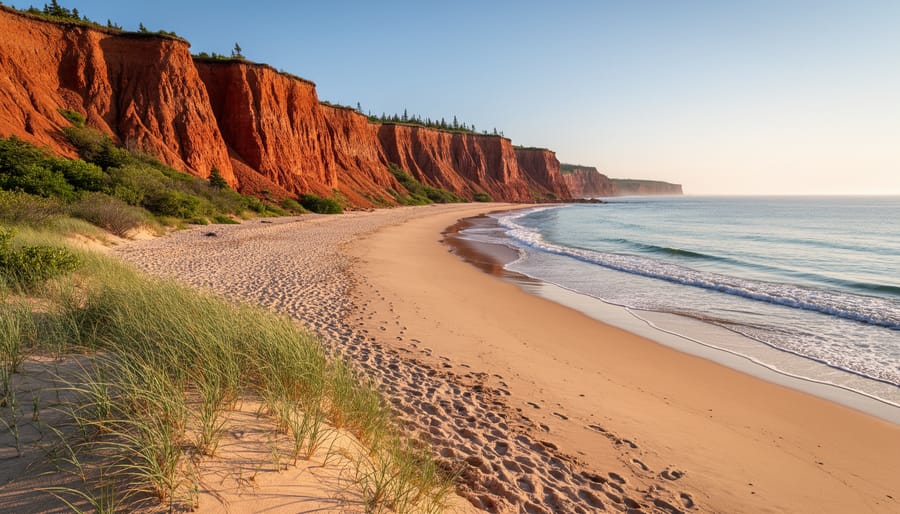
Prince Edward Island National Park welcomes visitors through two main entry regions along the province’s stunning north shore: Cavendish-North Rustico and Brackley-Dalvay. If you’re planning your visit this summer, timing matters for your budget. From June 19 through September 7, 2026, the Canada Strong Pass gives you free entry to the park, plus 25 percent off camping and overnight fees. Before June 19, you’ll need to purchase admission (the park charges entry fees from June 8 to June 19), though early bird season passes are available at reduced rates until June 15.
I’ve visited PEI National Park several times over the years, and here’s what I always tell friends: this is one of those rare top Canada destinations where the red sandstone cliffs, warm ocean beaches, and protected dune ecosystems deliver far beyond what you’d expect from a small island park. The trick is knowing when to go and how to secure your spot.
The park operates from May 15 through September 7, 2026, so your window is specific but generous. Whether you’re tent camping under the stars at Cavendish or exploring the quiet trails near Dalvay, understanding the entry points, pass options, and reservation system will save you both time and money. Most visitors don’t realize the Canada Strong Pass covers Parks Canada properties nationwide this summer, making it an incredible value if you’re road-tripping across the Maritimes or beyond.
Where to Enter Prince Edward Island National Park
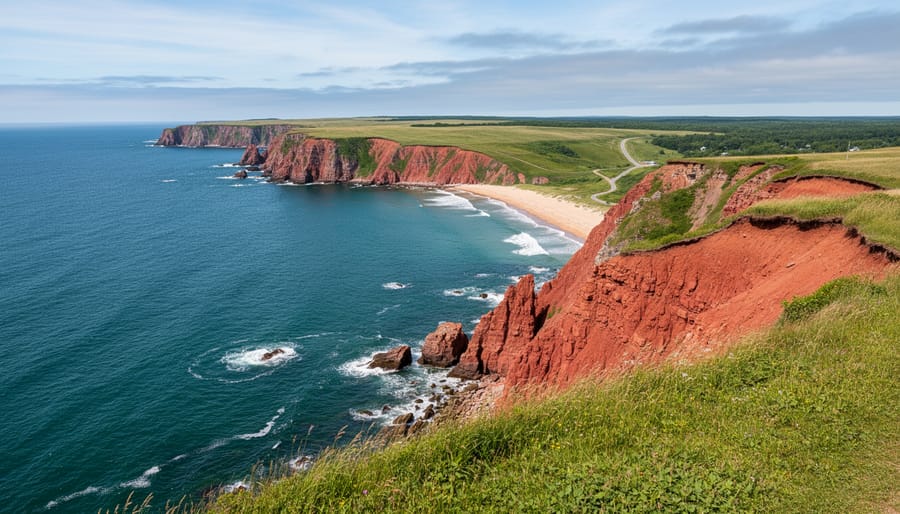
Prince Edward Island National Park stretches along the north shore of central PEI, and you’ll access it through two distinct regions: Cavendish-North Rustico and Brackley-Dalvay. Each has its own character, and choosing between them comes down to what kind of beach day you’re after.
The Cavendish-North Rustico region is where most families end up, and for good reason. This is the busier, more developed side of the park, anchored by Cavendish Beach with its iconic red sandstone cliffs and wide stretches of sand. You’ll find supervised swimming areas here during peak season, along with change rooms, washrooms, and a canteen. North Rustico Beach sits just east and offers similar amenities with slightly smaller crowds. If you’re traveling with kids or want easy access to facilities, this region delivers. The downside? Expect parking lots to fill up on sunny July and August afternoons, especially near Cavendish.
Brackley-Dalvay, on the eastern side of the park, feels worlds apart despite being only about 20 kilometers away. Brackley Beach attracts a good crowd but maintains a more relaxed vibe than Cavendish. The beach stretches long and wide, backed by dunes and marram grass that sway in the constant coastal breeze. Dalvay Beach, at the far eastern end, is the quietest entry point in the park. You’ll walk through boardwalks and trails to reach the shore, and the lack of a canteen or major facilities keeps the crowds thin. I’ve spent entire mornings here with just a handful of other beachgoers, listening to waves and watching shorebirds work the tideline.
Between the two regions, you’ll also find the park’s network of walking trails. The Homestead Trail and Farmlands Trail near Cavendish wind through forests and historic farmland, while the Bubbling Springs and Reeds and Rushes trails near Dalvay offer shorter woodland walks. If you’re splitting your visit across multiple days, hit Cavendish first for the classic PEI beach experience, then escape to Brackley-Dalvay when you want space to breathe.
Park Pass Options and Fees for 2026
The Canada Strong Pass (June 19 – September 7, 2026)
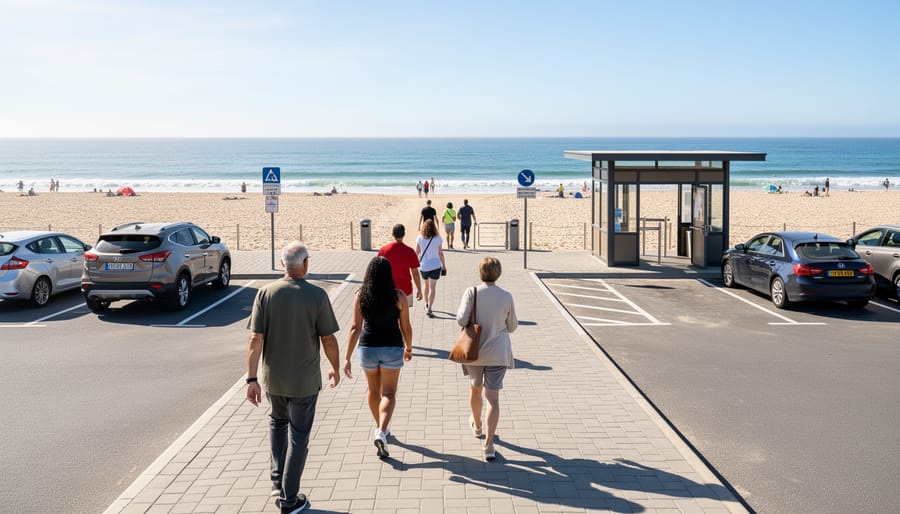
The Canada Strong Pass is a game-changer for anyone planning a summer 2026 visit to PEI National Park. Running from June 19 through September 7, this federal initiative gives you completely free park entry, no daily fees, no gate charges, nothing. You just show up and enjoy those famous red sandstone cliffs and endless beaches without reaching for your wallet at the entrance.
What makes this pass even better is the 25% camping discount included if you’re staying overnight at park campgrounds. That adds up quickly for families or anyone planning a week under the stars listening to waves crash on Cavendish Beach.
Getting the Canada Strong Pass is straightforward, Parks Canada distributes it free through their website and participating locations. The pass works at national parks, historic sites, and museums across the country, so if you’re road-tripping through the Maritimes, you’ll save money at multiple stops beyond just PEI. I’ve found it’s worth grabbing early in June even if your park visit is later in the summer, since it covers the entire promotional window and eliminates any last-minute scrambling at the gate.
Early Season Admission (Before June 19)
If you’re planning an early summer visit, the June 8-19 window offers a unique opportunity, though you’ll pay regular admission since the Canada Strong Pass doesn’t kick in until June 19. During these eleven days, PEI National Park charges standard daily entry fees, but here’s where it gets interesting: early bird season passes are available at reduced rates until June 15, making them one of the best money-saving tips if you’re staying on the Island for more than a few days.
I’ve visited during this shoulder period, and honestly, it’s a trade-off worth considering. You’ll pay for admission, yes, but the beaches are blissfully uncrowded, the weather’s warming up nicely, and campground availability is far better than peak July. If you’re planning multiple visits throughout the season or an extended stay, grab that early bird season pass before June 15, it pays for itself quickly and covers you well into September, long after the Canada Strong Pass period ends.
Season Passes and Multi-Day Options
If you’re planning to visit PEI National Park more than a couple of times during the 2026 season, or if your family’s spending a week or more exploring the island, a season pass quickly pays for itself. The math is simple: with daily entry fees adding up fast for a family, the season pass becomes the smarter choice after just a few visits.
Here’s where timing matters. Early bird season passes are available at a reduced rate until June 15, which means significant savings if you book before mid-June. I’ve learned this the hard way, waiting until you arrive on the island costs you money that could’ve gone toward ice cream in Cavendish or fresh lobster at a wharf-side restaurant.
The sweet spot for season passes is families planning extended stays who want the freedom to bounce between different beaches without watching the calendar. You can start your mornings at Brackley, drive over to Cavendish for the afternoon, and return the next day without recalculating entry costs each time.
One insider tip: even if the Canada Strong Pass covers your main visit dates (June 19 – September 7), the early bird season pass can still make sense if you’re arriving before mid-June or planning shoulder-season visits when the park’s quieter and the beaches feel like your own private stretch of coastline.
Campground Reservations: What You Need to Know

I learned the hard way that campground bookings at PEI National Park fill up fast, I once waited until June to reserve a July long weekend spot and found everything booked solid. If you’re planning to camp during the 2026 season (May 15 to September 7), you’ll want to book as early as possible, especially for weekends in July and August when families descend on the park’s stunning beaches.
The park operates three main campgrounds: Cavendish, the largest and most family-friendly with close beach access and lots of amenities; Stanhope, a quieter option near Brackley Beach; and Rustico Island, which offers a more secluded experience. All three provide a mix of serviced and unserviced sites, though Cavendish offers the widest range of options including pull-through sites for larger RVs. You can make reservations through the Parks Canada booking system, and I’d recommend securing your spot at least two to three months ahead if you’re targeting peak season dates.
Here’s where the 2026 season gets interesting for your wallet: if you’re camping between June 19 and September 7, the Canada Strong Pass gives you 25% off camping and overnight fees discounted from the regular rates. That discount adds up quickly over a week-long stay. Before June 19, you’ll pay standard Parks Canada camping fees without the discount, which is worth factoring into your trip planning, sometimes shifting your dates by a few days can save you a decent chunk of money.
From my camping experiences at Cavendish, expect well-maintained sites with fire pits and picnic tables, clean washroom facilities, and a camp store for basics (though I always stock up in Charlottetown or Summerside first since prices run higher on-site). The campgrounds put you within walking or short driving distance of the park’s best beaches, and waking up to morning fog rolling over the dunes is absolutely magical. One of my favourite Canada travel tips for PEI camping: bring layers even in summer, those ocean breezes can turn chilly once the sun sets, and you’ll be grateful for a hoodie around the campfire.
When to Visit: Park Season and Best Times
The park is officially open May 15 to Sept. 7, 2026 but that doesn’t mean every day offers the same experience. I’ve visited in both shoulder season and peak summer, and the timing completely changed how I experienced the park.
If you’re chasing the warmest water and guaranteed beach weather, July and August deliver. Water temperatures peak in late summer, air temps hover around 23-25°C, and every facility is fully operational. But here’s the trade-off: everyone else had the same idea. Parking lots fill early at Cavendish Beach, campgrounds book solid months ahead, and you’ll share those famous red cliffs with tour buses and family reunions.
I actually prefer the shoulder season. Late May and early June bring cooler water (around 12-15°C, so plan on shorter swims), but the beaches feel almost private. Wildflowers carpet the dunes, migratory birds pass through in waves, and you can snag last-minute campsite reservations. The catch? You’ll pay regular admission before June 19 since the Canada Strong Pass hasn’t kicked in yet, though early bird season passes offer decent value if you’re staying more than a few days.
September, especially the first week before the park closes, hits a sweet spot. Water’s still swimmable from months of summer warmth, crowds thin dramatically after Labour Day, and the light turns golden across those rusty sandstone cliffs. I’ve had entire stretches of Brackley Beach to myself on September mornings.
Weather’s unpredictable on the Island, though. Pack layers even in July because coastal fog can roll in fast, and Atlantic winds make it feel cooler than the thermometer suggests. The best time to visit really depends on whether you prioritize solitude or swimming comfort, but for me, early September offers both without the crowds.
Frequently Asked Questions
Visiting a national park for the first time always comes with questions, and I’ve fielded plenty from friends planning their PEI trips. Here are the answers to the questions I hear most often about accessing Prince Edward Island National Park.
Do I need to pay if I’m just driving through the park?
Yes, you’ll need a pass even if you’re driving through without stopping. Park entry fees apply to all vehicles entering designated park areas, though you can travel along Route 6 outside park boundaries without paying.
Can I enter the park for free outside the main season?
After September 7, 2026 when the official season ends, the park remains open but may not have staffed entry points or facilities. Before June 8, there’s typically no admission charge, though services are limited.
What if I have an annual Parks Canada Discovery Pass?
Your Discovery Pass covers admission to PEI National Park year-round, making it a great value if you’re visiting multiple Parks Canada sites during your trip. It doesn’t cover camping fees, though the Canada Strong Pass discount applies from June 19 to September 7, 2026.
Are there day-use facilities if I’m not camping?
Absolutely. Most visitors come for day use only, with access to beaches, trails, washrooms, and picnic areas included with your entry pass. You don’t need a camping reservation to enjoy the park’s main attractions.
One question I always get asked is whether it’s worth buying the season pass if you’re only visiting for a few days. Honestly, it depends on your plans. If you’re staying nearby and want the flexibility to pop into the park multiple times without thinking about daily fees, the early bird season pass (available until June 15) can pay for itself quickly. I bought one during my week-long stay and loved not having to track daily passes each time I wanted to catch sunset at Cavendish Beach.
The beauty of PEI National Park is that once you understand the pass system, everything else falls into place naturally. Whether you’re there for a single beach day or a week of camping under the stars, knowing these basics means you can focus on what really matters, experiencing those iconic red cliffs and endless stretches of sand.
Planning your visit to Prince Edward Island National Park doesn’t have to be complicated, and the rewards are absolutely worth it. I still remember my first glimpse of those red sandstone cliffs against the deep blue Gulf of St. Lawrence, the kind of view that stays with you long after you’ve gone home. Whether you’re timing your trip for the Canada Strong Pass savings or catching the quieter shoulder season charm, this coastal gem delivers experiences that rival any Canadian national park.
The key is simple: decide which region suits your vibe, sort out your pass or early bird season option before June 15, and book your campsite early if you’re planning to stay overnight. Don’t overthink it. Just show up ready to walk barefoot on warm sand, explore trails through coastal dunes, and watch the sun set over the Gulf from your campsite.
This stretch of northern PEI coastline has a way of slowing you down in the best possible way. Pack your beach gear, bring your sense of adventure, and give yourself permission to simply soak it all in. You won’t regret it.