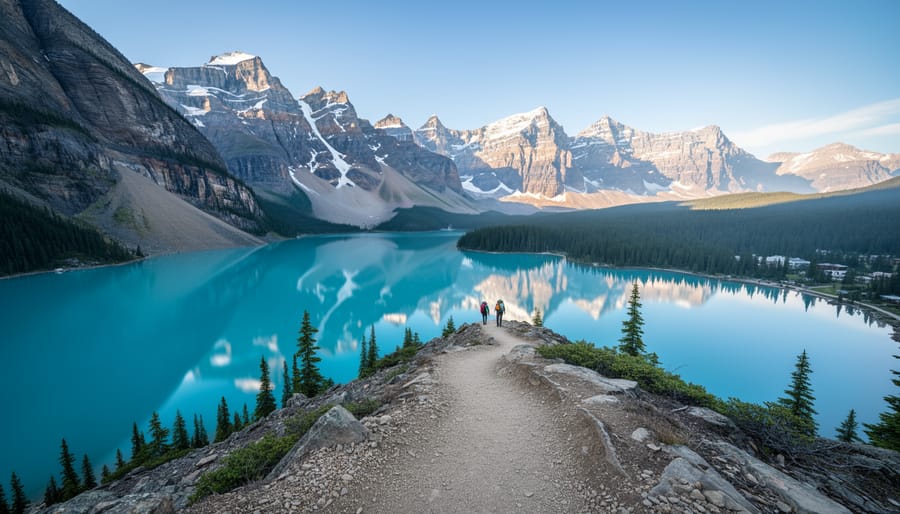
Canada stretches across 10 provinces and 3 territories, and after exploring this country for over a decade, I’ve learned that the best attractions aren’t always the ones plastered across Instagram. Sure, Banff’s turquoise lakes will take your breath away, but so will stumbling upon a pod of orcas off the coast of Vancouver Island or watching the northern lights dance above Jasper’s dark skies.
The top attractions in Canada fall into three categories: the iconic bucket-list destinations you absolutely can’t skip, the under-the-radar gems that locals guard fiercely, and the seasonal experiences that time your trip perfectly. I’ve watched my own kids go from complaining about another hike to begging for just five more minutes at Moraine Lake. That’s the magic of Canadian destinations.
What makes planning tricky is the sheer size of this place. Flying from Vancouver to Toronto takes about as long as flying from New York to London. Most travelers focus on either Western or Eastern Canada in one trip, and honestly, that’s the smart move. Western Canada alone offers enough variety to fill two weeks: mountain adventures in the Rockies, cosmopolitan vibes in Vancouver, and wildlife encounters that rival anywhere on Earth.
This guide focuses on Western Canada’s premier attractions because they represent some of the country’s most accessible and affordable adventures. I’ll share the spots that consistently deliver wow moments, plus the practical insider knowledge that turns a good trip into an unforgettable one.
The Canadian Rockies: Where Nature Shows Off
Banff and Lake Louise: The Postcard-Perfect Duo
I’ll never forget the first time I rounded the bend on the Trans-Canada Highway and saw Banff townsite cradled between mountains. My jaw literally dropped. Then came Lake Louise, and I understood why these two spots consistently rank among the top attractions in Canada.
Banff itself is a charming mountain town that somehow balances tourist-friendly amenities with genuine alpine character. Families love the easy walks along the Bow River and the surprisingly good ice cream shops (trust me on this). I’ve spent hours just wandering Banff Avenue, popping into gear shops and cafes, all while surrounded by peaks that look like they belong in a fantasy novel.
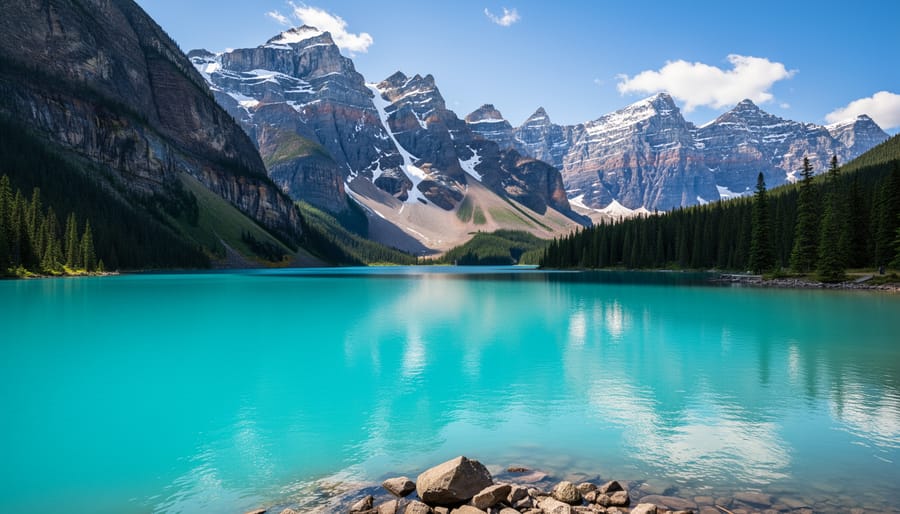
Lake Louise, about 45 minutes northwest, takes the mountain lake game to another level entirely. That impossible turquoise water really does look like someone photoshopped it. I’ve been there four times, and it gets me every time. The shoreline gets packed by midday in summer, so here’s my insider tip: arrive before 9 AM or go for an early evening visit when the tour buses have left and the light turns golden. You’ll actually hear the silence between the mountains.
The hiking around both spots ranges from paved lakeside strolls perfect for grandparents and toddlers to full-day backcountry adventures. Johnston Canyon near Banff offers waterfalls you can walk behind, which thrilled my niece more than any playground ever could. Around Lake Louise, the Lake Agnes Tea House hike rewards you with scones and views that make the climb completely worth it.
Jasper and the Athabasca Glacier: Adventure on Ice
I’ll never forget the moment I stepped onto the Columbia Icefield for the first time. Standing on 1,000-foot-thick ice that’s been there for thousands of years? That’s not something you do every day. The Athabasca Glacier sits right off the Icefields Parkway between Lake Louise and Jasper, and it’s one of those bucket-list experiences that actually lives up to the hype.
Jasper itself feels like Banff’s laid-back older sibling. The town is smaller, quieter, and the surrounding wilderness feels wilder somehow. Elk wander through the streets at dawn like they own the place (they kind of do). The trails are less packed, and you get that genuine mountain-town vibe without fighting for parking spots at sunrise.
What makes the glacier walk so special is the sheer scale of it all. You board these massive ice explorers, specially designed vehicles that can handle the terrain, and they take you right onto the ice. Once you’re out there, you can walk around, touch the ancient ice, and fill your water bottle with meltwater that’s been frozen since before your great-great-grandparents were born. Our guide told us the glacier is retreating, which makes the experience even more precious. It’s a reminder that these natural wonders won’t be here forever.
Pro tip: Book your glacier tour in advance, especially if you’re visiting during summer 2026. The tour operator has limited spots, and they fill up fast. Pair the glacier experience with a trip up to the Jasper SkyTram for mountain views that’ll make your jaw drop. Trust me, Jasper deserves more than a quick drive-through on your way to somewhere else.
Hidden Gems Beyond the Famous Parks
Peyto Lake and Emerald Lake: The Color Will Blow Your Mind
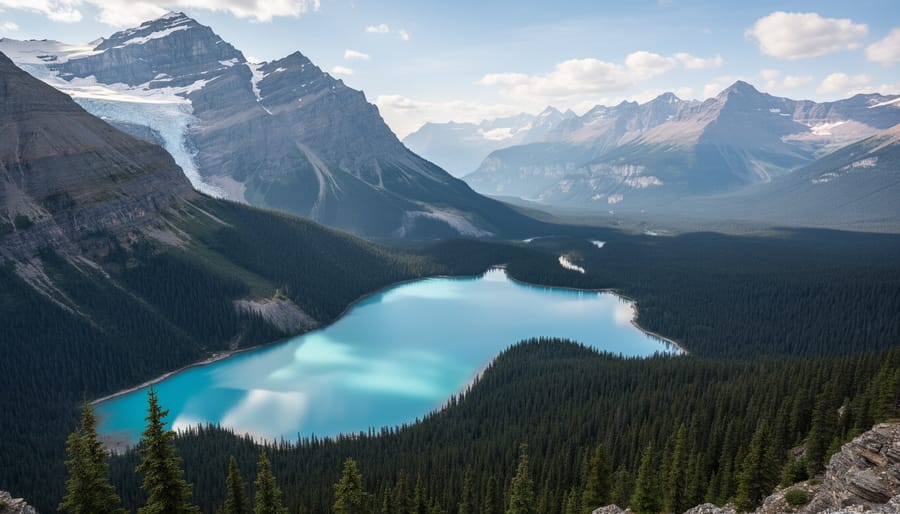
I’ll never forget the moment I rounded the bend at Bow Summit and Peyto Lake came into view. I actually gasped, that bright, electric blue-turquoise that looks Photoshopped but is somehow real. The color comes from glacial silt reflecting light in the most magical way, and honestly, no camera does it justice (though you’ll take a hundred photos anyway).
Emerald Lake lives up to its name with a completely different vibe. Tucked into Yoho National Park, it’s this stunning emerald-green gem surrounded by dense forest and towering peaks. We rented a canoe there one July morning, and paddling across that glass-like water with the mountains reflecting perfectly around us felt like entering another world.
What makes these lakes special is how accessible they are. Peyto Lake has a short walk from the parking area to the viewpoint, easy enough for families with kids. Emerald Lake has trails around the shoreline if you want more than just the classic photo op. The colors shift throughout the day depending on the light, so even a quick stop becomes unforgettable.
Pro tip: arrive early morning to beat the tour buses. The stillness at sunrise makes the colors even more vivid, and you might have these incredible spots almost to yourself.
Mount Robson and Wells Gray: For the True Adventurers
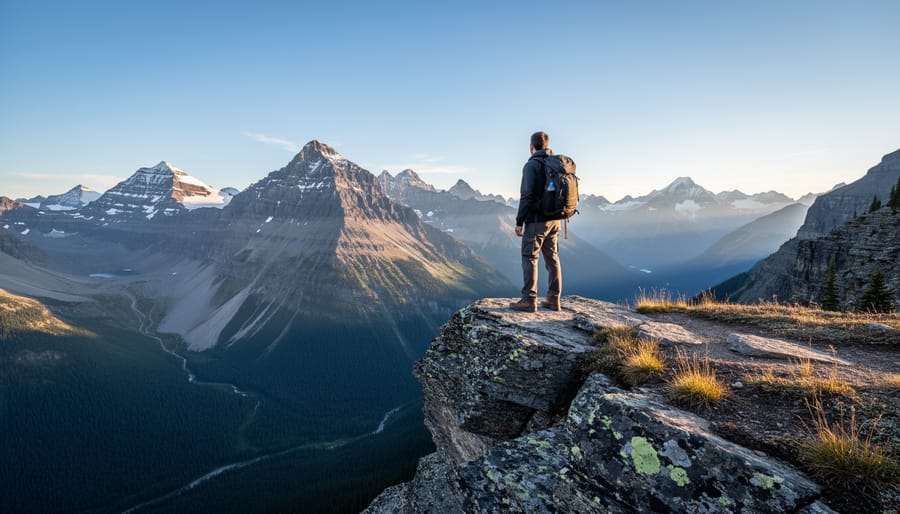
If you really want to escape the crowds and feel like you’ve stepped into untouched wilderness, Mount Robson and Wells Gray Provincial Parks are calling your name. These aren’t the polished, easy-access spots, they’re raw, remote, and absolutely stunning.
Mount Robson Provincial Park sits right on the British Columbia-Alberta border and is home to the Canadian Rockies’ highest peak. The first time I saw Mount Robson’s massive snow-capped summit rising through the clouds, I literally stopped the car and just stared. The Berg Lake Trail is legendary among hikers, it’s challenging, but the payoff of camping beside a glacial lake with icebergs floating in it is unforgettable. Even if you’re not up for the multi-day trek, the shorter trails near the visitor center offer incredible views.
Wells Gray Provincial Park is what I call the waterfall wonderland. Helmcken Falls alone, Canada’s fourth-highest waterfall, is worth the detour. Driving the bumpy road to reach these cascades feels like a proper adventure, and when you arrive, you’ll likely have the place mostly to yourself.
Both parks require more effort to reach than the famous Banff and Jasper attractions, but that’s exactly the point. You’ll find families camping by pristine lakes, wildlife wandering freely, and that rare feeling of true wilderness exploration. Pack extra snacks, fill up your gas tank beforehand, and embrace the adventure.
Vancouver and the Sea-to-Sky Corridor: City Meets Mountain
Vancouver: Where Urban Cool Meets Ocean Beauty
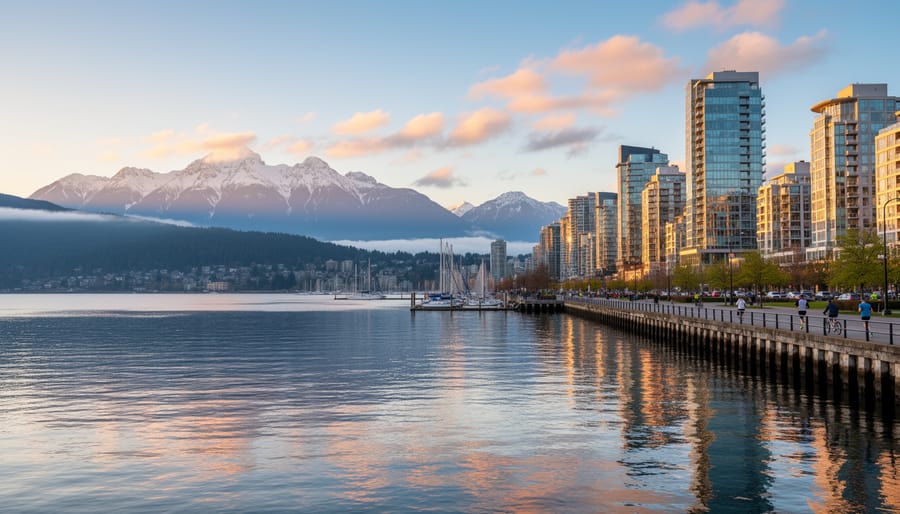
I’ll never forget the first time I stepped onto the Seawall in Stanley Park on a crisp summer morning. The ocean stretched out on one side, towering cedars on the other, and the city skyline rising in the distance, all before 9 a.m. Vancouver isn’t just one of the top attractions in Canada because of its stunning setting; it’s the rare city where you can kayak in the morning, explore world-class museums by afternoon, and finish with dinner in a completely different cultural neighborhood by evening.
Stanley Park alone could fill a day. This 1,000-acre urban forest jutting into the harbor offers the famous Seawall (rent a bike, you won’t regret it), totem poles at Brockton Point, and hidden beaches where locals actually swim. I’ve spent hours just wandering the trails, feeling like I’d escaped the city entirely.
Then there’s Granville Island, a former industrial site transformed into a bustling public market and artisan hub. The energy here is infectious, street performers, fresh seafood stands, local pottery studios. I always grab a salmon sandwich and watch the boats bob in False Creek.
What really makes Vancouver special is its neighborhoods. Gastown’s cobblestone charm, the vibrant Chinese and Vietnamese flavors of Chinatown and Commercial Drive, the beachfront cool of Kitsilano, each area feels distinct yet connected. You’re never far from water, mountains, or something delicious to eat. It’s urban life without sacrificing nature, which is exactly why this coastal gem belongs on every Canadian bucket list.
Squamish and Whistler: Adventure Central
I’ll never forget the first time I drove the Sea-to-Sky Highway from Vancouver to Whistler. Around every curve, I found myself gasping, literally pulling over at viewpoints because the combination of ocean, mountains, and waterfalls was almost too much to take in while driving. This stretch between Squamish and Whistler isn’t just a route; it’s one of those top attractions in Canada that delivers non-stop wow moments.
Squamish is where outdoor enthusiasts come to play. The rock climbing here rivals anywhere in North America, and watching climbers scale the Stawamus Chief, a massive granite monolith, is mesmerizing even if you’re not roped up yourself. My family tried the Sea-to-Sky Gondola, and the views from the top made my eight-year-old nephew declare it “better than any video game ever.” There’s also kiteboarding, mountain biking, and hiking trails that range from easy forest walks to challenging scrambles.
Whistler gets typecast as a winter ski destination, but here’s what surprised me: summer might actually be better. The village buzzes with energy year-round, and between mountain biking on world-class trails, zip-lining through old-growth forest, and paddling impossibly clear alpine lakes, you’ll run out of vacation days before you run out of things to do.
The drive itself? Budget extra time. Shannon Falls, the roadside viewpoints, the colors of Howe Sound, they demand you stop. This isn’t just transportation; it’s part of the adventure.
Planning Your Western Canada Adventure
Planning your trip to Western Canada feels overwhelming at first, but I promise it’s easier than you think. The secret is treating it like a loop rather than a scattered collection of destinations. Most travelers fly into Calgary or Vancouver, then build their route from there.
Here’s what worked for me: the Calgary-to-Vancouver route. Start in Calgary, spend a few days exploring Banff and Lake Louise, drive north through the Icefields Parkway to Jasper (stopping at Peyto Lake and the Athabasca Glacier), then head west through Mount Robson to the interior BC lakes like Emerald Lake. From there, swing through Wells Gray if you’ve got time, then finish strong with the Sea-to-Sky corridor and Vancouver. You’ll cover the major highlights without backtracking, and the entire drive is stunning.
If you’re visiting between June 19 and September 7, 2026, grab the Canada Strong Pass. Check the Canada Strong Pass dates and reserve yours early because it grants access to national parks, historic sites, and special experiences across the country. For Western Canada specifically, this means Banff, Jasper, and other Parks Canada locations are covered. It’s honestly the best deal going for travelers hitting multiple attractions.
Road trip logistics matter. Book accommodations months ahead for Banff and Lake Louise because they fill up fast, especially in summer. Towns like Canmore (20 minutes from Banff) or Hinton (near Jasper) offer cheaper hotels and you’ll still be close to everything. Gas up whenever you see a station in the mountains because they’re not on every corner, and download offline maps since cell service gets spotty.
Budget travelers, listen up: pack your own snacks and picnic supplies. Restaurant meals in tourist towns add up quick, but eating lunch beside a turquoise alpine lake with grocery store sandwiches? That’s the move. Camp if you’re comfortable with it because campgrounds in national parks cost a fraction of hotel rates and you’ll wake up surrounded by mountains.
The drive between attractions doubles as the attraction itself. Don’t rush. Pull over at viewpoints, take the scenic detours, and give yourself extra time. I’ve met travelers who scheduled every minute tight and ended up stressed. You can absolutely do this trip on a reasonable budget if you’re smart about where you sleep and eat.
Making the Most of Your Western Canada Experience
I learned early on that timing can make or break your Western Canada adventure. My first trip to Lake Louise happened on a random Tuesday in late September, and I practically had the lakeshore to myself, a stark contrast to my cousin’s July visit when she couldn’t find parking before 7am. If you want to experience these attractions without battling crowds, aim for late May to early June or September. You’ll still get gorgeous weather (pack layers regardless, because mountain temperatures swing wildly), and you won’t spend half your time hunting for a spot to pull over.
Here’s what I wish someone had told me before my first Rockies road trip: bring a refillable water bottle, sunscreen (the UV is intense at elevation), and a good pair of binoculars. That last one changed everything for me. Spotting a grizzly from a safe distance through binoculars is thrilling; getting too close trying to snap a photo with your phone is dangerous and illegal. Keep at least 100 meters between you and bears or elk, and never approach wildlife for a better shot.
Pack out everything you pack in. The pristine beauty of Western Canada depends on all of us treating these places with respect. I always carry an extra garbage bag in my backpack because I’ve seen too many trailheads littered with water bottles and granola bar wrappers.
My best advice? Wake up early at least once during your trip. The light hitting the mountains at sunrise, the stillness before the tour buses arrive, the wildlife emerging for their morning routines, these quiet moments made me fall completely in love with Western Canada. They’re free, they’re accessible to everyone, and they’ll stick with you long after you’ve returned home.
So there you have it, my guide to some of the top attractions in Canada, with Western Canada stealing the show. I know planning a trip like this can feel overwhelming, especially when you’re juggling budgets and time off work. But here’s what I’ve learned after falling completely in love with this part of the country: you don’t need months or a fortune to experience the magic. A week, a solid road trip playlist, and a sense of adventure will get you further than you think.
The mountains, the lakes, the glaciers, the ocean, they’re all waiting for you, and they’re more accessible than you might imagine. With options like the Canada Strong Pass making 2026 a particularly great year to visit, there’s really no better time to start planning. Pack your hiking boots, grab your camera, and get ready to see why Western Canada consistently ranks among the country’s most incredible destinations.
I truly believe everyone should experience this part of Canada at least once. There’s something about standing beside those turquoise waters or breathing in that mountain air that changes you. It reminds you how vast and beautiful the world is, and how lucky we are to have these places to explore. Western Canada didn’t just give me amazing photos and memories, it gave me a deeper appreciation for wild spaces and the importance of protecting them. That’s a gift I hope you’ll give yourself too.