
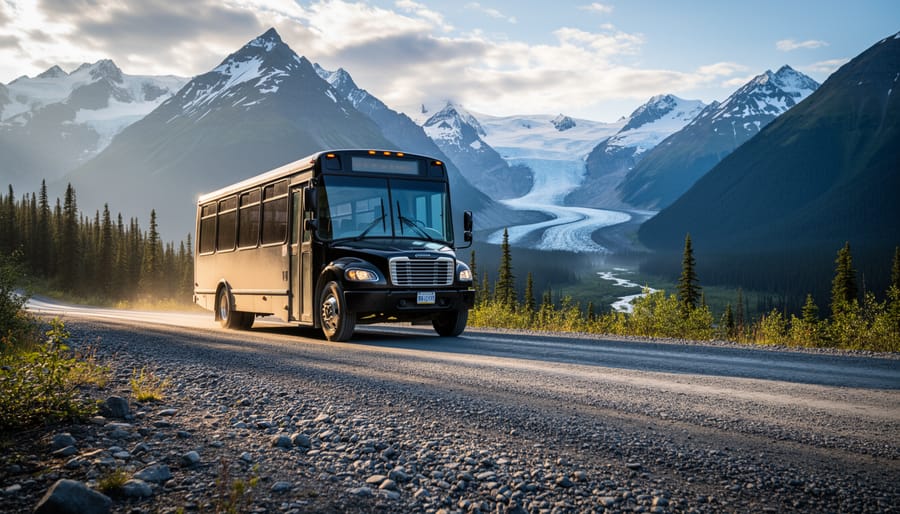
Planning a trip to Alaska’s eight national parks requires choosing your access method first: two parks are reachable by road, while the other six demand a flight or boat. Your planning sequence starts by deciding which parks match your adventure style and logistics comfort, then selecting a gateway city, booking your transport (charter, tour, or independent vehicle), and timing your visit within the tight seasonal windows Alaska’s wilderness demands.
I learned this planning order the hard way during my first Alaska trip, when I assumed Denali’s famous park road would be fully open. It wasn’t. Through 2026, road improvements limit access to mile 43, which completely changed our itinerary and required rebooking our transit bus tickets. That mistake taught me Alaska’s parks aren’t like the roadside stops we’re used to in the Canadian Rockies or Ontario’s cottage country. These are remote, weather-dependent destinations where a single logistical oversight can derail your entire adventure.
The good news? Once you understand the access puzzle, planning becomes straightforward. Denali offers the most beginner-friendly experience with free shuttle buses running every 15 minutes between the depot and visitor center during busy periods, plus narrated tours perfect for families who want expert guidance without the stress of navigation. If you’re drawn to true wilderness, the fly-in parks like Katmai or Gates of the Arctic deliver unmatched solitude, but they also demand serious preparation, flexible schedules for weather delays, and significantly higher budgets.
Seasonal timing shapes everything. Most services, including Denali Getaways, operate only from late May through early September 2026. Miss that window, and you’ll find shuttered visitor centers, grounded float planes, and impassable routes. The planning steps ahead will walk you through each decision point, from choosing between independent charters and guided tours to understanding what gear and permits you actually need before you arrive.
What You Need Before You Start Planning
Before you start booking flights or dreaming about grizzly bear sightings, there’s some groundwork that’ll save you from the kind of planning headaches I ran into on my first Alaska trip. I didn’t realize Anchorage to Denali was a four-hour drive, my mental map had Alaska roughly the size of a large Canadian province, not bigger than Texas and California combined. Gathering the right resources upfront makes the difference between a smooth adventure and a logistical scramble.
Start with your travel documents. If you’re coming from outside the US, you’ll need a valid passport, and many travelers route through Canada to reach Alaska. Reviewing Canada travel tips before your journey helps you navigate border crossings and any transit requirements smoothly. Don’t assume you can sort this out last-minute.
Next, gather the essential planning information:
- Valid passport with at least six months remaining validity for international travelers
- National Park Service website access for current park conditions and access restrictions
- Realistic budget breakdown accounting for the significant cost difference between road-accessible and fly-in parks
- Seasonal availability windows for your target parks, typically May through September
- Honest assessment of your physical fitness and comfort level with remote wilderness conditions
Your budget research deserves serious attention here. The two road-accessible parks cost significantly less to visit than the six requiring charter flights or boat transport. A fly-in park can easily run $500-1,000 per person just for transportation, before you’ve paid for lodging or guides. Knowing these numbers early shapes which parks make your final itinerary.
Also pull together your gear and packing list research now. Alaska’s weather swings wildly even in summer, and remote parks won’t have gear rental shops at the trailhead. Understanding what you’ll need to bring, or buy before departure, affects both your budget and your luggage strategy.
Important Timing and Access Restrictions to Know
Before you book a single flight or reserve a hotel room, you need to understand Alaska’s seasonal windows and access restrictions. I learned this the hard way on my first attempt to visit Alaska’s parks, when I didn’t realize that “summer season” means something very different at these latitudes than it does further south. Missing these timing details won’t just inconvenience you; they can completely derail your trip.
Alaska’s national parks operate on a compressed visitation season. Most parks are realistically accessible only from May through September, with the sweet spot running late May through early September. Denali Getaways, for example, are available late May through early September 2026, which gives you a good benchmark for planning. Those shoulder months can be spectacular for fewer crowds and wildlife viewing, but they also carry higher risks of weather disruptions and limited services.
Weather is the wild card that can upend even the best-laid plans, especially for the six fly-in and boat-in parks. Fog can ground planes for days. Storms can make boat crossings impossible. I’ve met travelers who built three-day buffers into their itineraries and still missed their scheduled park visits because conditions wouldn’t clear. This isn’t about being pessimistic; it’s about being realistic so you can build flexibility into your schedule and manage your expectations. Check current conditions obsessively in the weeks before your trip, and keep checking right up until departure. Alaska rewards the flexible and humbles the rigid.
Step 1: Choose Your Park Based on How You Want to Get There
Road-Accessible Parks: Easier Logistics, More Crowds
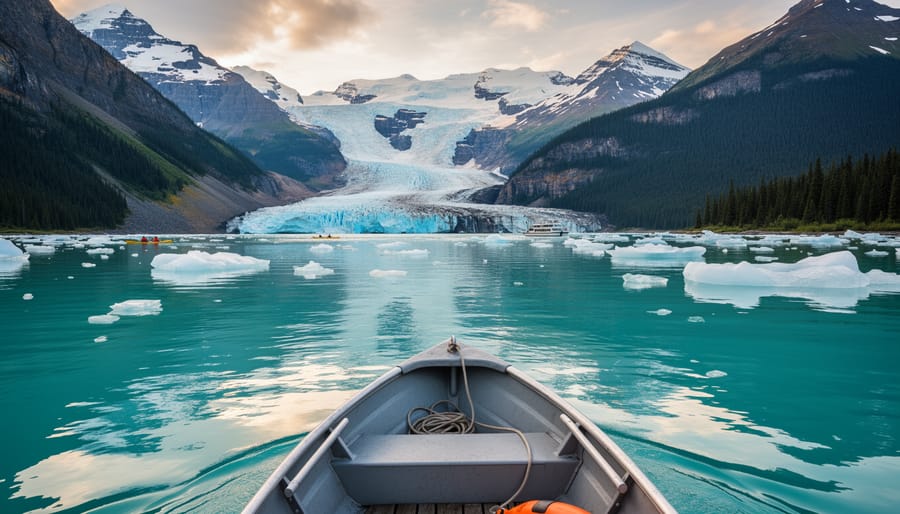
Road access in Alaska means exactly what it sounds like: you can literally drive to the park entrance. Of the eight national parks scattered across Alaska, only two, Denali and Wrangell-St. Elias, connect to the road system, making them the obvious starting point for most first-time visitors. If you’re comfortable with Alaska road trip planning you can pack up your own vehicle and point it toward the park, stopping whenever you want along the way.
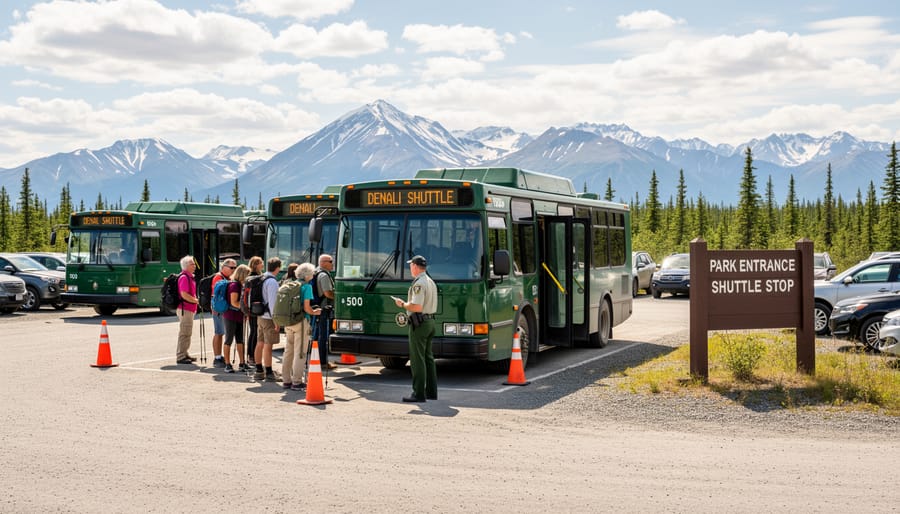
But here’s the trade-off: easier access means more people. Denali especially draws hundreds of thousands of visitors during the summer months, so you won’t have trails or viewpoints to yourself. The upside? You’ll find proper visitor centers, ranger programs, established campgrounds, and amenities like restaurants and gear shops nearby. Both parks offer shuttle and bus systems (Denali’s free shuttle runs every 15 minutes during peak times), which means you don’t even need your own wheels once you arrive.
The infrastructure makes logistics simpler, but set realistic expectations, these aren’t remote wilderness experiences in the same way the fly-in parks deliver.
Fly-In and Boat-In Parks: Remote Adventures Requiring More Planning
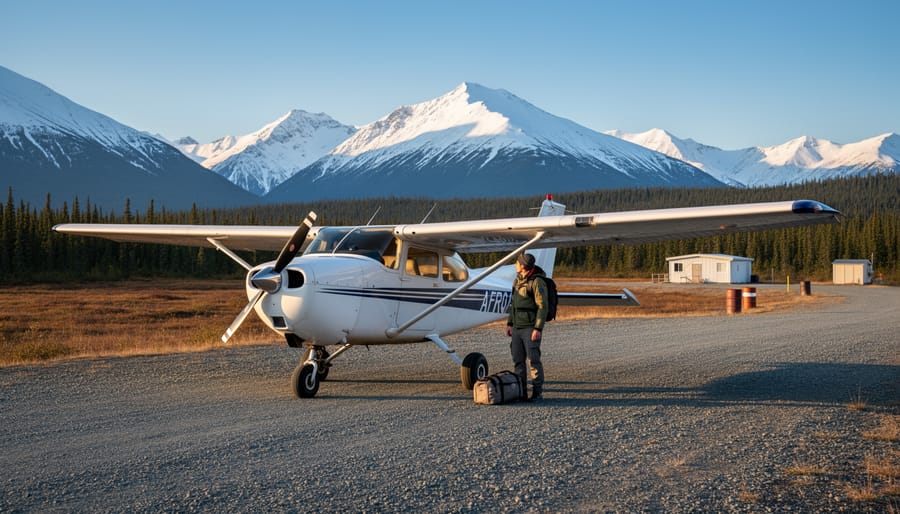
Six of Alaska’s eight national parks sit in some of the most remote wilderness on the continent, and you won’t reach them by car. These parks, including Gates of the Arctic, Katmai, Lake Clark, Kenai Fjords, Glacier Bay, and Wrangell-St. Elias, require charter flights or boat transport, and that changes the entire planning equation.
Let’s be honest: visiting these parks costs more and demands more advance coordination than road-accessible destinations. You’re booking floatplanes or water taxis, often weeks or months ahead for summer travel. Weather can delay or cancel flights with little notice, so you’ll need buffer days in your itinerary. Limited seasonal access windows mean you’re working within a tight timeframe, and accommodations near departure points fill quickly.
But here’s why thousands of travelers make the extra effort every year: you get solitude most national parks can only dream of. While Denali sees hundreds of visitors daily during peak season, you might spend an entire day in Gates of the Arctic without seeing another soul. The barrier to entry filters out casual tourists, leaving wilderness experiences that feel genuinely wild and personal.
If you’ve got the budget and flexibility, these fly-in and boat-in parks deliver Alaska at its most authentic, untamed, uncrowded, and absolutely unforgettable.
Step 2: Pick Your Gateway City
Your gateway city isn’t just where you fly in, it’s your launch pad, and picking the right one shapes your entire Alaska parks adventure. Anchorage and Fairbanks are the two main hubs, and they serve different parks depending on whether you’re heading to road-accessible destinations or flying into the backcountry.
Anchorage is Alaska’s largest city and your best bet for reaching Denali National Park, which sits about 240 miles north. Most visitors fly into Anchorage, spend a day or two exploring the city, then either rent a car or hop on a train travel tips-worthy scenic rail journey to Denali. If you’re planning to visit Kenai Fjords National Park or any of the fly-in parks in the southwest, Anchorage is also your departure point. Fairbanks, meanwhile, sits farther north and is the gateway for exploring Gates of the Arctic and other remote interior parks.
Here’s what caught me off guard on my first Alaska trip: I treated Anchorage as just a connection point, and I regretted it. These gateway cities deserve at least a full day in your itinerary. You’ll need that buffer time anyway, Alaska weather can delay flights, and you don’t want to risk missing a pre-booked park shuttle or tour. Build in an arrival day to adjust, grab supplies you forgot, and honestly, just breathe in the fact that you’re in Alaska.
Before you finalize flights, check flight status patterns for your preferred routes during your travel window, especially if you’re flying in May or September when weather is less predictable. Your gateway city choice locks in your park options, so match it to your must-see list first, then build the rest of your trip around it.
Step 3: Select Your Transportation Method
Independent Travel: Charters and Self-Driving
Independent travel in Alaska means you’re calling the shots, and handling the logistics. For the two road-accessible parks (Denali and Wrangell-St. Elias), you can rent a vehicle in your gateway city and drive yourself, stopping when you want and exploring at your own pace. It’s genuinely liberating if you enjoy that kind of control, and it lets you pack in side trips or linger longer at viewpoints without waiting for a tour group.
The reality check: Alaska distances are massive, and driving times eat up more of your day than you’d think looking at a map. Gas stations aren’t around every corner once you leave the main corridors, and road conditions can change quickly with weather. You’ll also need to sort your own park permits, campground reservations if you’re staying overnight, and any shuttle access inside the park (like Denali’s transit buses for getting deeper into the backcountry).
Independent travel makes the most sense if you’re comfortable with remote driving, want maximum flexibility with your schedule, or you’re combining park visits with other Alaska stops where having your own wheels pays off. For fly-in parks, chartering means coordinating directly with bush plane operators, doable, but you’re managing weather delays and logistics solo.
Guided Tours: Let Someone Else Handle the Details
Guided tours aren’t a cop-out, for Alaska’s remote parks, they’re often the smartest move you can make. When you’re dealing with fly-in destinations like Katmai or Gates of the Arctic, a quality tour operator handles the bush plane bookings, coordinates weather delays, secures permits, and knows which pilots have decades of backcountry experience. That’s not laziness; that’s leveraging local expertise so you can focus on spotting bears instead of scrambling to reschedule a charter flight.
For road-accessible parks like Denali, guided tours offer narrated bus experiences that teach you what you’re actually looking at on the tundra. I’ve watched independent travelers miss entire caribou herds because they didn’t know where to look, while our guide pointed out wildlife I would’ve driven right past.
When choosing a tour operator, look for small group sizes (eight people or fewer for fly-in trips), guides who’ve worked in Alaska for multiple seasons, and transparent cancellation policies that account for weather. Ask how they handle itinerary changes when conditions shift, the good operators have backup plans, not excuses. Check whether lodging and meals are included or if you’re booking those separately. The best operators treat logistics as their problem, not yours.
Denali-Specific Transport: Buses and Shuttles
I’ll never forget stepping off the train at Denali and realizing I wouldn’t be driving myself into the park, and honestly, it turned out to be one of the best parts of the experience. Denali runs on a different system than most national parks, and once you understand how the buses work, you’ll see why it’s actually brilliant for soaking in the scenery without white-knuckling a narrow mountain road.
The park offers three main ways to get around once you’re there:
- Free shuttle buses run every 15 minutes during peak times between the Denali Bus Depot and Visitor Center, perfect for quick trips to grab information or catch a ranger program
- Narrated bus tours provide expert commentary on wildlife, geology, and park history while someone else handles the driving and wildlife spotting
- Transit buses go deeper into the park (currently to mile 43 through 2026 due to road improvements) and let you hop on and off at trailheads or scenic spots throughout the day
- Book narrated tours well ahead during the late May through early September season, while transit buses typically have better same-day availability
Here’s the real advantage: while you’re scanning the tundra for grizzlies or watching Dall sheep on distant ridges, your driver is focused on the road. Denali is genuinely best for scenic bus rides and mellow travelers who want to relax into the experience rather than stress about navigation. The buses stop for wildlife sightings, everyone gets a window seat perspective at some point as people rotate, and you’re free to just be present in one of the most spectacular landscapes on Earth. If you’re the type who needs to control every moment of a trip, this might feel limiting at first, but give it a chance, there’s something magical about surrendering to the pace of the park and letting the day unfold around you.
Step 4: Check Seasonal Timing and Book Smart
Here’s the thing about Alaska: even the best-laid plans need wiggle room, and nowhere is that more true than when you’re booking your park visits. I learned this the hard way on my first trip when I locked in dates without checking seasonal access windows and nearly ended up with reservations during shoulder season when half my planned activities weren’t running yet.
Start with seasonal timing, not dates you’d prefer. For Denali, the sweet spot runs late May through early September 2026, that’s when services like Denali Getaways operate and when you’ll have full access to visitor facilities and guided options. Other parks follow similar patterns, though each has its own quirks. Don’t assume a park is “open” year-round in the Lower 48 sense. In Alaska, accessibility and services shift dramatically with the seasons.
Next, double-check access restrictions before you click “book.” Remember that Denali Park Road situation we covered earlier? Through 2026, the road only opens to mile 43 due to ongoing improvements. That’s not changing between now and your trip, so build your expectations and itinerary around that reality rather than hoping for updates. Similarly, fly-in parks depend on weather and water conditions that can shift weekly during transition seasons.
Only after confirming both timing and current access should you commit to reservations. Book accommodations first, then layer in transportation, shuttles, tours, flights, once you have anchor dates. Most lodging providers offer insights into what’s realistically accessible during your window, and many include or arrange shuttle connections to trailheads and visitor centers.
Build in buffer days if your budget allows. Weather delays happen, especially with fly-in parks, and having an extra day cushions you against disappointment without derailing your whole trip.
Step 5: Arrange Lodging and Final Transportation
Once you’ve nailed down your gateway city and transportation method, it’s time to lock in where you’ll sleep and how you’ll move around on the ground. This is where your planning shifts from big-picture strategy to booking actual reservations, and the order matters more than you might think.
Start by securing your lodging or rail packages first. In Alaska, accommodation near popular parks like Denali fills up fast during the May-September season, so book these before anything else. Many lodges and hotels near park entrances offer package deals that bundle rooms with transportation, these can save you serious headaches and sometimes money too.
Here’s the smart booking sequence to follow:
- Reserve your lodging or rail package for your chosen dates
- Confirm what transportation is included with your accommodation
- Schedule any additional park shuttles or buses you’ll need
- Arrange transfers between your gateway city and the park area
- Keep all confirmation numbers and schedules in one easily accessible spot
Once your lodging is confirmed, reach out directly to ask what shuttle or bus services they provide. I learned this the hard way on my first Alaska trip when I assumed I’d need to arrange separate transport, only to discover my hotel ran a free shuttle to the park entrance twice daily. Many accommodations near Denali, for example, coordinate with the free shuttle buses that run every 15 minutes between the depot and visitor center, or they operate their own shuttles on that route.
The key is treating lodging and local transportation as connected pieces, not separate tasks. When you book a room, immediately clarify how you’ll get from there to the park itself, whether that’s a hotel shuttle, the park’s transit system, or something you need to arrange independently. Getting this nailed down now means you can actually relax when you arrive instead of scrambling to figure out logistics after a long travel day.
How to Know Your Plan Is Ready
You’ve worked through the steps, checked the seasonal windows, and locked in your transportation. Now take a breath and run through this final mental checklist before you head north.
First, confirm your park access method matches what you actually booked. If you’re visiting one of the six fly-in or boat-in parks, you should have charter confirmation or a tour package that explicitly includes those flights or boats. For Denali or the other road-accessible park, verify your shuttle reservations or rental car pickup details. I’ve seen friends get excited about their Alaska trip only to realize they’d booked lodging but forgotten to actually arrange the boat transfer to their remote park.
Next, double-check your gateway city logistics. You need confirmed lodging for arrival and departure nights, plus clear plans for getting between the airport and your hotel, then from your hotel to wherever your park transportation departs. Anchorage and Fairbanks are friendly cities, but assuming you’ll figure it out on arrival adds unnecessary stress.
Verify your seasonal timing one more time. If you’re heading to Denali between late May and early September 2026, you’re golden. Cross-reference your dates with the current road status, remember, the Denali Park Road will only be open to mile 43 through 2026, so make sure your expectations match reality.
Finally, check current conditions about a week before departure. Road closures, weather advisories, and access changes happen. A quick look at official park websites or a call to your tour operator confirms you’re still good to go. When everything checks out, you’re ready to experience Alaska’s wild beauty.
Common Questions About Planning Alaska National Parks Trips
Planning an Alaska national parks trip brings up plenty of practical questions, especially when you’re coordinating access to remote destinations. I’ve fielded many of these from friends planning their first Alaska adventures, so let me walk through the most common concerns.
How far in advance should I book for the summer 2026 season?
For the road-accessible parks like Denali, booking 3-6 months ahead secures good lodging and transportation options during the late May through early September window. Fly-in parks require even more lead time since charter flights and remote lodging fill quickly, often 6-9 months out for peak summer dates.
Can you realistically visit multiple parks in one trip?
You can combine the two road-accessible parks fairly easily, but adding fly-in parks requires serious time and budget. Most first-timers focus on one or two parks rather than trying to see all eight, which would demand weeks and substantial charter flight costs.
What happens if weather cancels my fly-in park visit?
Weather delays are common with Alaska’s remote parks, which is why building buffer days into your itinerary is essential. Many charter operators will attempt the flight the next day, but refund policies vary, so confirm cancellation terms when booking and consider trip insurance.
How much time should I allow for each park?
Denali typically needs 2-3 days to experience the shuttle buses and main sights, especially with the current road limitations to mile 43. Fly-in parks often work as day trips or overnight stays depending on your budget and goals, while a road-accessible park like Denali rewards a slower pace.
Package deals do exist, particularly for Denali where operators bundle lodging with narrated bus tours or train transport from gateway cities like Anchorage and Fairbanks. These packages handle the logistics of coordinating that free 15-minute shuttle service between the bus depot and visitor center with your longer tour or transit bus bookings. For the remote parks, packages are less common since access depends on specialized charter services, but some tour companies offer multi-day guided trips that include flights, boats, and accommodation in one price.
The key is matching your timeline and budget to your park choices. If you’ve got limited time, the road-accessible parks deliver incredible experiences without the complexity of chartering flights. But if you’re craving true wilderness solitude and have the flexibility to handle weather delays, those six fly-in parks are absolutely worth the extra planning effort.
Planning a trip to Alaska’s 8 national parks takes more work than pointing your car at Banff and hitting the highway, no question. Between the six fly-in and boat-in parks, the seasonal windows, the Denali road limitations running through 2026, and the need to coordinate gateway cities with charter flights or guided tours, it’s a puzzle. But here’s what I learned after sweating through my own Alaska planning: breaking it into steps makes it feel less like climbing Denali and more like checking off a sensible list. Choose your access method first, pick your gateway, nail down your transport, check the seasonal timing, and book everything with a bit of breathing room for weather delays.
For Canadian travelers especially, Alaska feels like the natural next chapter after exploring the Yukon or northern BC. You’re already comfortable with remote distances and unpredictable weather, so you’ve got a head start. And honestly? The payoff is ridiculous. Standing in front of a glacier that only 50 other people will see that day, or watching grizzlies fish from a Denali shuttle bus, makes every spreadsheet and phone call worth it. Alaska rewards the planners, and now you’re one of them.