
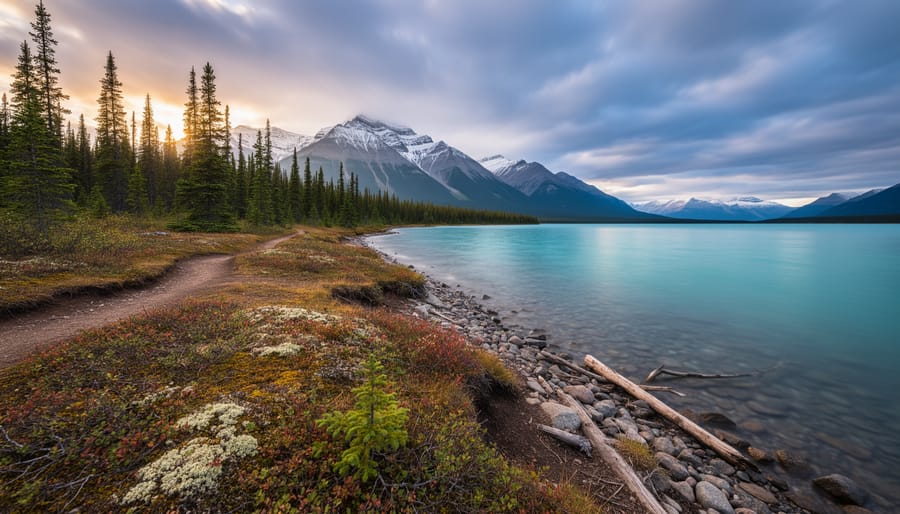
Canada is home to 37 national parks and 11 national park reserves, protecting 31 of the country’s 39 distinct natural regions across nearly half a million square kilometers. That’s 48 incredible protected areas stretching from the Atlantic to the Pacific to the Arctic, each one offering something completely different from the next.
I’ll be honest: when I first started exploring these parks, I made the rookie mistake of thinking they’d all be similar mountain-and-forest experiences. Then I stood on the edge of a massive sand dune system in Saskatchewan, watched polar bears from a tundra buggy in Manitoba, and kayaked through turquoise waters in Ontario’s Georgian Bay, all within the same summer. These aren’t just pretty places to snap photos. They’re living classrooms where you can watch glaciers calve into the sea, hike on land that’s rebounding from ice sheets that vanished 10,000 years ago, and camp under some of the darkest skies left on the planet.
The challenge most travelers face is figuring out which parks match their interests and travel style. A family with young kids planning a long weekend has very different needs than solo adventurers looking for backcountry solitude. Some parks require floatplanes to access, while others sit right off major highways. This guide breaks down all 48 protected areas by region and landscape type, helping you understand what makes each one special and which ones deserve a spot on your bucket list for 2026 and beyond.
Understanding Canada’s National Parks System
Canada’s national parks system is one of the world’s oldest and most comprehensive networks of protected areas. Parks Canada manages all 37 national parks and 11 national park reserves spread across the country, safeguarding everything from Pacific rainforests to Arctic tundra. Together, these 48 protected areas represent 31 of Canada’s 39 terrestrial natural regions, making this network a living showcase of the country’s ecological diversity.
The distinction between a national park and a national park reserve comes down to land rights. National parks have fully resolved land claims and indigenous rights agreements, while reserves are areas where these negotiations are still ongoing. Both offer the same level of protection and visitor experiences. The reserve designation simply acknowledges that indigenous communities maintain active claims or interests in the land, and Parks Canada works collaboratively with these communities on management decisions.
This three-ocean system stretches from the Atlantic shores of Newfoundland to the Pacific coast of British Columbia, and up to the Arctic Ocean in the Northwest Territories and Nunavut. Each park protects something unique, whether it’s the mountain peaks that draw millions to the Rockies or the remote tundra landscapes that only a few hundred adventurers reach each year. The system’s strength lies in this diversity: you’re not just visiting parks, you’re experiencing the full spectrum of Canadian wilderness, from ecosystems you can drive through to backcountry that demands serious expedition planning.
How We Chose These Categories
When I started planning my first Canadian parks road trip, I made the mistake of opening an alphabetical list of all 48 parks and reserves, and I felt completely overwhelmed. Should I visit Auyuittuq or Aulavik? What’s the difference between Gwaii Haanas and Gros Morne? An alphabetical list doesn’t help you actually choose.
That’s why I’ve organized this guide differently. Instead of listing parks A-Z, I’ve grouped them by the type of experience they offer: mountain adventures, coastal exploration, boreal wilderness, prairie landscapes, and Arctic tundra. Within each category, you’ll find parks that share similar characteristics, so if you’re dreaming of hiking among dramatic peaks, you’ll find all your mountain options together, whether they’re in the Rockies, Quebec, or Newfoundland.
I’ve also included a regional breakdown to help you understand which parks are logistically connected. If you’re flying into Vancouver, you’ll want to know which parks are within driving distance. Planning a week in Atlantic Canada? You’ll see your coastal options mapped out clearly.
This framework won’t give you an exhaustive description of every single park, that would be a book, not a guide, but it will help you identify which parks match your interests, your timeline, and your travel style.
Parks by Region: Where to Start Your Search
Canada’s 48 national parks and reserves span six major regions, each offering completely different landscapes and travel experiences. I’ve organized them this way so you can start your search based on where you’re already planning to go or what scenery draws you most. This beats scrolling through an alphabetical list when you’re trying to figure out which corner of the country to explore first.
The Atlantic region covers parks in Newfoundland, New Brunswick, Nova Scotia, and Prince Edward Island. You’ll find dramatic coastal cliffs, red sand beaches, and Acadian forests here. These parks are perfect for maritime culture combined with ocean hiking. Summer and early fall bring the warmest weather and clearest trails.
Quebec and Ontario hold parks centered around the Canadian Shield, Great Lakes, and St. Lawrence River systems. Think rugged granite landscapes, massive freshwater coasts, and dense hardwood forests. Many of these parks sit within driving distance of major cities like Toronto and Montreal, making them accessible weekend getaways.
The Prairies region features grassland and badlands parks across Manitoba, Saskatchewan, and Alberta. These are Canada’s quietest parks in terms of visitor numbers. Wide-open skies make them incredible for stargazing and spotting bison herds. Spring wildflowers and fall colors are spectacular, though summer heat can be intense.
The Rockies region anchors around Banff, Jasper, and other mountain parks in British Columbia and Alberta. This is where you’ll find those iconic turquoise lakes, jagged peaks, and world-class Canada hiking trails. Peak season runs July through September, but you’ll need advance planning for popular spots like the Moraine Lake shuttle.
| Region | Landscape Types | Best Travel Season | Access Level |
|---|---|---|---|
| Atlantic | Coastal cliffs, beaches, Acadian forest | June, October | Easy road access |
| Quebec/Ontario | Canadian Shield, lakes, hardwood forests | May, October | Very accessible |
| Prairies | Grasslands, badlands, river valleys | May, September | Easy to moderate |
| Rockies | Mountain peaks, alpine lakes, glaciers | July, September | Easy to challenging |
| Pacific | Rainforest, Pacific coast, islands | Year-round (varies) | Moderate |
| North | Arctic tundra, permafrost, polar desert | June, August | Remote/difficult |
The Pacific region protects temperate rainforests, rugged Pacific coastline, and island ecosystems in British Columbia. Expect lush green landscapes, marine wildlife, and milder winters than the rest of Canada. Some parks here are accessible year-round, though weather remains unpredictable.
The North covers parks and reserves in Yukon, Northwest Territories, and Nunavut. These remote Arctic and subarctic landscapes require serious planning, often involving chartered flights or multi-day drives on gravel roads. But the midnight sun, caribou migrations, and untouched wilderness reward adventurous travelers willing to make the effort.
1. Mountain & Alpine Parks
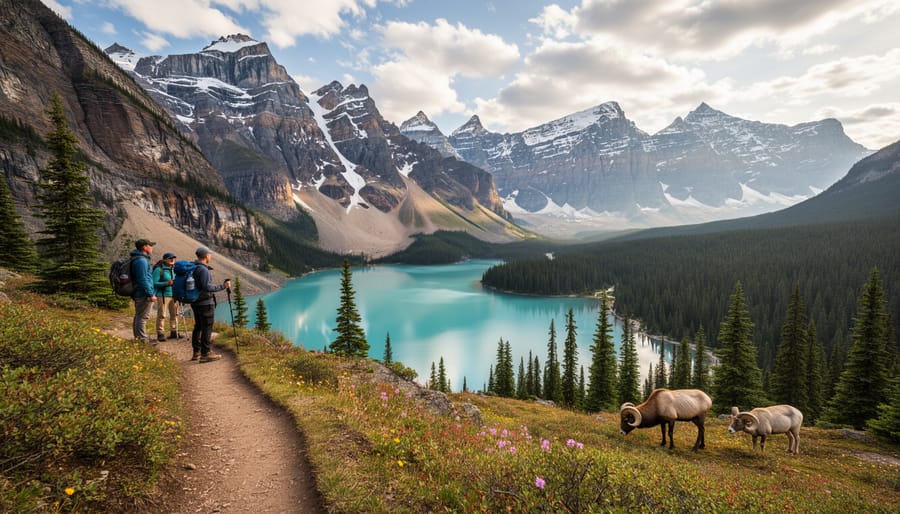
Canada’s mountain and alpine parks are the showstoppers, the ones you’ve seen on postcards, in travel ads, and probably in your daydreams about visiting Canada. These are the parks where jagged peaks punch through clouds, turquoise glacier-fed lakes stop you mid-trail, and you can spot grizzly bears and elk without leaving the main road.
The Canadian Rockies hold the most famous concentration: Banff, Jasper, Yoho, and Kootenay form an interconnected alpine wonderland in Alberta and British Columbia. Further west, Pacific Rim and Gwaii Haanas protect coastal mountain landscapes where rainforest meets ocean. In the east, Gros Morne in Newfoundland showcases ancient mountains sculpted by glaciers and tectonic forces.
What makes these parks irresistible? The signature experiences are unmatched, hiking trails that range from gentle lakeside strolls to multi-day backcountry routes, wildlife sightings that include bears, mountain goats, and caribou, and landscapes so dramatic they don’t look real. You can canoe across mirror-still lakes reflecting snow-capped peaks, soak in natural hot springs after a long hike, or simply pull over at a viewpoint and feel dwarfed by the scale.
For families, parks like Banff offer paved trails, visitor centers with interactive exhibits, and townsite amenities within minutes of wilderness. Adventure seekers gravitate toward Jasper’s rugged backcountry, technical scrambles in Yoho, or remote coastal fjords in Gwaii Haanas that require boat access. The mountain parks deliver whether you want roadside scenery or true wilderness solitude.
2. Coastal & Marine Parks
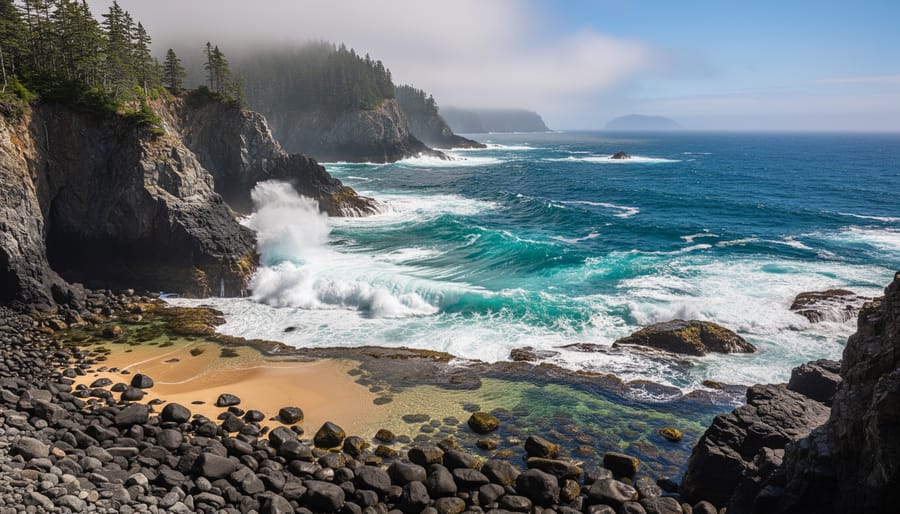
Canada’s coastal and marine parks protect some of the country’s most dramatic oceanfront landscapes, where rugged shorelines meet powerful tides and marine ecosystems thrive. These parks stretch across three coastlines, Pacific, Atlantic, and Arctic, each offering wildly different experiences shaped by their ocean environments.
On the Pacific coast, you’ll find temperate rainforest spilling down to rocky beaches, with opportunities to watch whales breach offshore and explore tide pools teeming with sea stars and anemones. The coastline here features sea stacks, sheltered coves, and some of Canada’s most challenging coastal hiking trails that trace clifftops above crashing surf. These parks deliver that iconic West Coast combination of forest, fog, and ocean that feels worlds apart from the rest of Canada.
Atlantic coastal parks showcase a different character entirely. Expect red sandstone cliffs, sandy beaches shaped by massive tidal ranges, and ecosystems where freshwater rivers meet salt marshes. Seabird colonies nest on offshore islands, and coastal balds offer sweeping ocean views. Several of these parks you can visit for free during certain seasons, making them accessible starting points for families new to the national parks system.
Arctic marine parks protect polar coastlines where icebergs drift past in summer and polar bears patrol the shore ice. These remote areas require serious expedition planning but reward visitors with landscapes most Canadians never witness, midnight sun reflecting off pack ice and marine mammals adapted to extreme cold.
What makes coastal parks unique is their dual nature: they’re both hiking destinations and marine sanctuaries, where your itinerary might include beach walking at low tide, watching for migrating whales, and camping within earshot of waves.
3. Boreal Forest & Lakes Parks
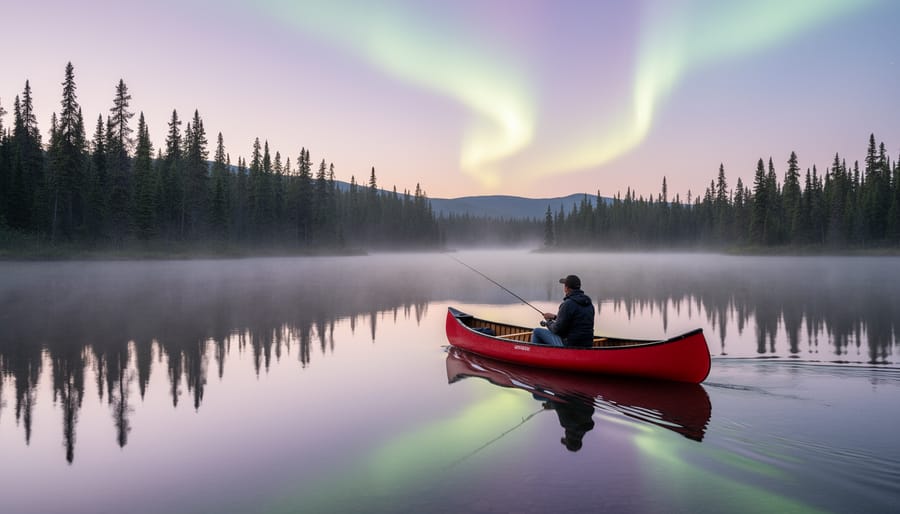
I’ve spent endless summer evenings paddling through glassy northern lakes where the only sounds were my paddle dipping into the water and the haunting call of loons echoing across the stillness. Canada’s boreal forest and lakes parks offer something the mountain parks can’t: solitude, rhythm, and a slower pace where water becomes your highway.
These parks protect the vast boreal zone stretching across central Canada, where ancient forest meets endless waterways. Think canoe routes connecting dozens of lakes, world-class fishing for northern pike and lake trout, and some of the country’s darkest skies for northern lights. Parks like Riding Mountain in Manitoba and Prince Albert in Saskatchewan give you easy access to this ecosystem without requiring expert paddling skills, while more remote options reward adventurous canoeists with true wilderness.
What draws people here? The water-based exploration creates a meditative travel style completely different from hiking. You cover distance silently, camp on granite islands, and often go days without seeing other visitors. Late summer and early fall are magical when the best time to visit Canada‘s boreal parks overlaps with calm weather and vibrant autumn colours reflecting in mirror-smooth lakes.
Fair warning: you’ll want to book Parks Canada campsites months ahead for popular lakes, and bugs can be fierce in June and July. But paddle out at sunset with mist rising off the water, and you’ll understand why these quieter parks become people’s favourites.
4. Prairie & Grassland Parks
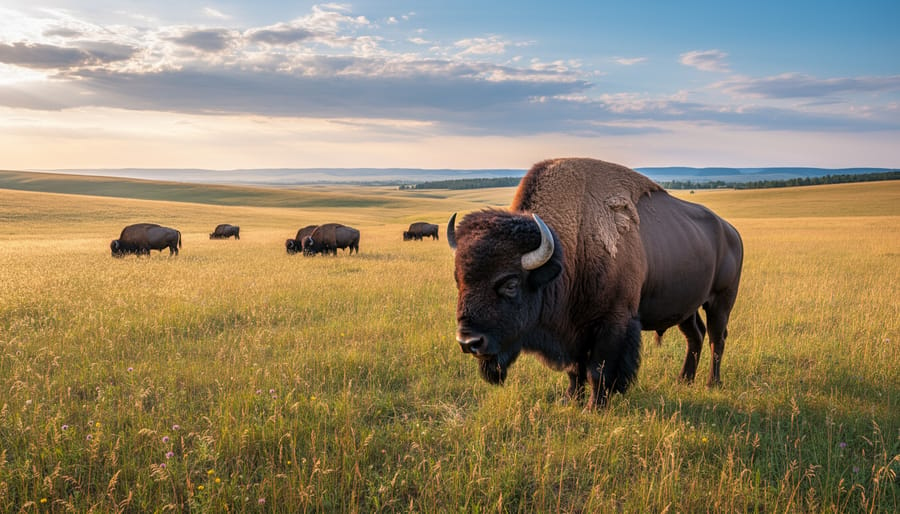
I’ll never forget driving into Grasslands National Park for the first time, after hours through Saskatchewan farmland, suddenly the earth dropped away into a sea of rolling hills and coulees that felt more like Montana than Canada. Most travelers skip Canada’s prairie and grassland parks entirely, assuming there’s nothing to see, but they’re missing some of the country’s wildest surprises.
These parks protect the last remnants of North America’s mixed-grass prairie ecosystem, where bison herds roam freely against horizons that stretch forever. The wildlife alone astonishes visitors: black-tailed prairie dogs, pronghorn antelope sprinting at 100 km/h, burrowing owls, and rattlesnakes basking on sun-warmed rocks. The wide-open terrain means wildlife spotting that rivals any mountain park, without the crowds.
What truly sets prairie parks apart is their incredible dark skies. With zero light pollution and flat horizons, the Milky Way blazes so bright you can read by starlight. I’ve watched meteor showers from my tent where every shooting star felt close enough to touch.
The landscape rewards those willing to explore on foot. Hike into the badlands and you’ll find fossil beds, hidden valleys carved by ancient glaciers, and a silence so complete it feels almost sacred. Summer brings wildflower explosions across the grasslands, while autumn paints the prairie gold and amber.
5. Arctic & Tundra Parks
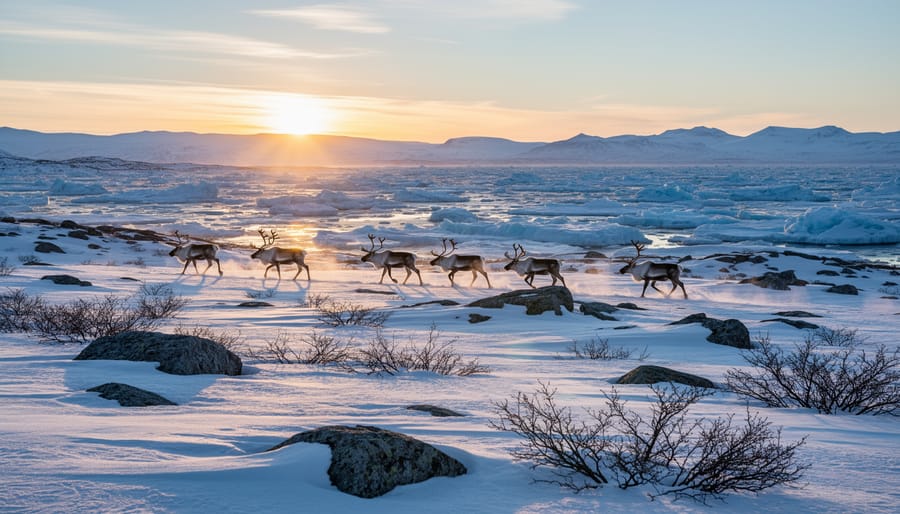
Canada’s Arctic and tundra national parks represent some of the most remote and untouched wilderness on the planet. I’ve only made it to one northern park so far, but that experience completely shifted how I think about adventure travel, and left me dreaming about the others.
These parks protect vast Arctic landscapes where caribou migrate across endless tundra, polar bears roam sea ice, and the midnight sun circles the horizon for weeks. The indigenous cultural connections run deep here; many parks are co-managed with Inuit communities whose ancestors have lived on these lands for thousands of years. You’ll find ancient archaeological sites, traditional hunting grounds, and stories that give meaning to what might otherwise feel like an incomprehensible expanse.
Getting to these parks requires serious planning and investment. There are no roads to most of them, you’re looking at chartered flights, sometimes in small planes dependent on weather, or expedition cruises for coastal parks. Summer weather windows are short, typically July and August, and you need proper cold-weather gear even then because conditions change fast.
What makes them bucket-list worthy isn’t convenience or creature comforts. It’s the rawness. Standing on tundra where you can see for miles in every direction with zero human infrastructure, watching ice formations that have existed for millennia, experiencing silence so complete you hear your own heartbeat, these parks deliver wilderness in its purest form. They’re not for everyone, but if remoteness calls to you, nothing else compares.
Practical Planning Information
Visiting Canada’s national parks requires some advance planning, but the logistics are simpler than you might think once you understand the basics.
Your entry ticket is the Parks Canada Discovery Pass, which costs around $72 for an adult annual pass or $145 for a family pass covering up to seven people in one vehicle. Daily passes run about $10 per adult, but if you’re visiting more than a few times or hitting multiple parks in one trip, the annual pass pays for itself quickly. I’ve used mine at parks across three provinces in a single summer, making it ridiculously good value. The pass gets you into all 37 national parks and 11 reserves, plus national historic sites and marine conservation areas.
Seasonal access varies dramatically depending on which park you’re visiting. Mountain parks like those in the Rockies stay open year-round but many services shut down from October to May. Coastal parks often close campgrounds in winter while keeping trails accessible. Northern parks operate on short summer windows, sometimes just July through early September. Check specific park websites before planning, because “open” doesn’t always mean full services.
For practical planning, keep these essentials in mind:
- Book campsites two to three months ahead for July and August at popular parks; reservation systems open in January for the coming season
- Shoulder seasons (May, September) offer fewer crowds, lower prices, and still-decent weather at most southern parks
- Many remote parks require 4WD or high-clearance vehicles for access roads
- Pets are allowed in most parks but must stay on leash and are banned from backcountry trails and beaches in many areas
- Cell service exists only near park gates and visitor centers; plan for complete disconnection in the backcountry
Facilities range from fully serviced campgrounds with showers and electrical hookups to primitive backcountry sites with nothing but a cleared tent pad. Most parks offer a mix, so decide whether you want comfort or solitude before booking.
Local Tips from My Park Adventures
After visiting more than a dozen of these parks over the years, I’ve learned what actually makes the difference between a good trip and a great one. If you’re trying to dodge crowds at popular spots like Banff or Jasper, visit mid-September through early October. You’ll catch incredible fall colours, active wildlife preparing for winter, and far fewer tour buses. Better yet, consider swapping the famous parks for their quieter neighbours. I’ve found that Kootenay rivals Banff for mountain scenery but sees a fraction of the visitors, while Fundy offers dramatic coastal experiences without the crowds of Pacific Rim.
For a parks road trip, I’ve learned to mix park types rather than hitting similar landscapes back-to-back. Pair a mountain park with a prairie or coastal park to see Canada’s full diversity. This also helps you avoid altitude fatigue and keeps your photos looking distinct instead of repetitive.
Gear-wise, forget the expensive hiking boots for short trails. What you actually need is a good rain shell, layers for temperature swings, and a bear spray canister if you’re hiking anywhere in bear country. I keep a complete change of clothes in my car because weather shifts fast, especially in mountain and coastal parks.
Frequently Asked Questions
Which parks are best for first-time visitors?
Banff and Jasper offer incredible mountain scenery with well-developed infrastructure, while Prince Edward Island National Park provides easy coastal access perfect for families. For a quieter introduction, Fundy National Park combines dramatic tides with accessible trails and full facilities.
Do I need a separate pass for each park?
No, the Parks Canada Discovery Pass covers admission to all 37 national parks and 11 national park reserves. One annual pass works everywhere, making it a great deal if you’re visiting more than three parks in a year.
How do I check current park conditions before visiting?
The Parks Canada website provides up-to-date alerts, road closures, and trail conditions for each park. I always check the specific park page a few days before leaving, since weather and wildlife activity can change access quickly.
Are the parks open in winter?
Most parks stay open year-round, though facilities and road access often close seasonally. Mountain parks like Banff transform into winter wonderlands with skiing and ice walks, while some northern parks become nearly inaccessible due to extreme conditions.
When planning a multi-park trip, the Rockies corridor makes connecting parks straightforward, you can easily link Banff, Yoho, Kootenay, and Jasper along the Trans-Canada Highway and Icefields Parkway. The Atlantic provinces also cluster several parks within driving distance, letting you experience different coastal ecosystems in one journey. I’ve found that grouping parks by region, rather than trying to cover too much ground, gives you time to actually enjoy each place instead of just collecting stamps in your pass.
Here’s my adventure with Canada’s national parks system so far: I’ve explored coastal trails on Vancouver Island, watched bison graze under endless prairie skies, and paddled pristine northern lakes that felt like the edge of the world. Each park revealed something completely different, and that’s exactly the point. You’re not choosing from 48 identical green spaces, you’re looking at everything from mountain glaciers to Arctic tundra, from maritime headlands to grassland horizons.
I put this guide together not to give you an overwhelming list of every single park, but to help you understand the framework. Once you know whether you’re drawn to mountains, coasts, or wilderness canoe routes, you can explore the specific parks in that category that fit your trip. Some will be household names. Others will be hidden gems that locals treasure.
The beauty of Canada’s national parks system is that there’s genuinely something for everyone: family-friendly boardwalks, backcountry expeditions that test your limits, cultural experiences you’ll never forget. Start with the region and landscape type that excites you most, then dig deeper into your shortlist. Your perfect Canadian park adventure is waiting, and it might not be the one everyone else is posting about.