
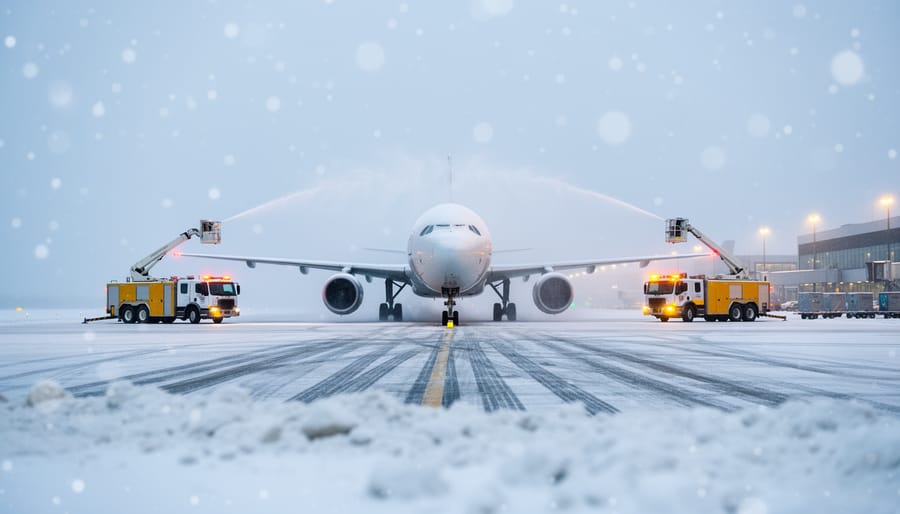
I’ll be straight with you: Edmonton’s weather absolutely affects your flight plans, and knowing how to work around it can save you hours of airport stress and hundreds of dollars in missed connections. From bone-chilling winter cold that can halt ground operations to sudden spring storms that roll across the prairies, this northern city sees conditions that regularly impact flight schedules at Edmonton International Airport.
Here’s what you need to understand. When temperatures plummet, airlines face real operational challenges. Just this past winter, Edmonton International Airport issued warnings asking passengers to confirm flight times before heading out because extreme cold was expected that night. These aren’t minor delays we’re talking about. Cold weather slows everything from de-icing procedures to baggage handling, and when things get bad across major Canadian hubs, the ripple effects are massive. During one particularly rough weekend, more than 20 percent of over 900 flights at Toronto’s Pearson were cancelled, with another 20 percent delayed.
I learned this lesson the hard way on a February trip when I assumed “a little snow” wouldn’t matter. Three hours sitting on the tarmac taught me otherwise.
The good news? You can absolutely minimize weather-related headaches with smart booking strategies and realistic expectations about Edmonton’s climate. Whether you’re visiting family in Alberta or connecting through on your way to the Rockies, understanding seasonal patterns and building buffer time into your itinerary makes all the difference. I’m going to walk you through exactly when Edmonton weather poses the biggest flight risks, how to choose departure times that work in your favor, and what to do when delays hit anyway.
Why Edmonton’s Weather Is Uniquely Challenging for Air Travel
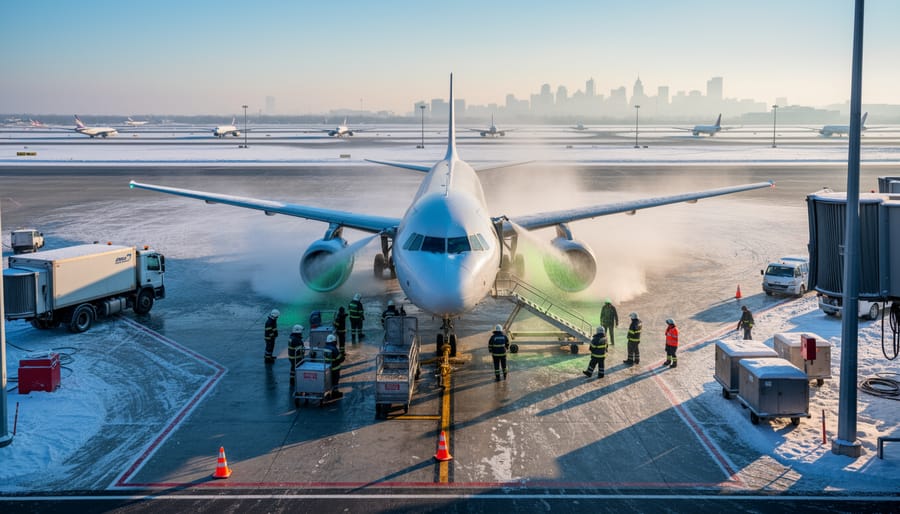
Edmonton sits in a sweet spot for severe weather, and I don’t mean that in a good way for travelers. The city’s location on the Canadian prairies puts it right in the path of arctic air masses that sweep down from the north with nothing to slow them down. No mountain ranges, no large bodies of water to moderate temperatures. Just flat land that lets cold air settle in and really make itself at home.
What makes this particularly tricky for air travel is the extreme cold. We’re talking temperatures that can plunge well below what most people have experienced. I’ve stood at Edmonton International when the airport issued warnings asking passengers to confirm flight times before heading out because conditions would be dangerously cold that night. At those temperatures, aircraft need special handling, de-icing procedures take longer, and ground crews have to work in carefully timed shifts to stay safe.
The rapid weather changes catch people off guard too. Edmonton’s prairie location means weather systems move through quickly. You might check the forecast in the morning and see clear skies, then face a sudden snowstorm by afternoon. These quick shifts make flight planning challenging because conditions at takeoff can differ dramatically from what’s forecast even a few hours earlier.
Then there’s the visibility issue. Winter storms on the prairies can create whiteout conditions with blowing snow, even when it’s not actively snowing. The flat landscape offers no wind breaks, so once the wind picks up, visibility drops fast. For pilots trying to land or take off, that’s a serious safety concern that can ground flights until conditions improve.
The Real Impact: How Weather Delays and Cancellations Happen
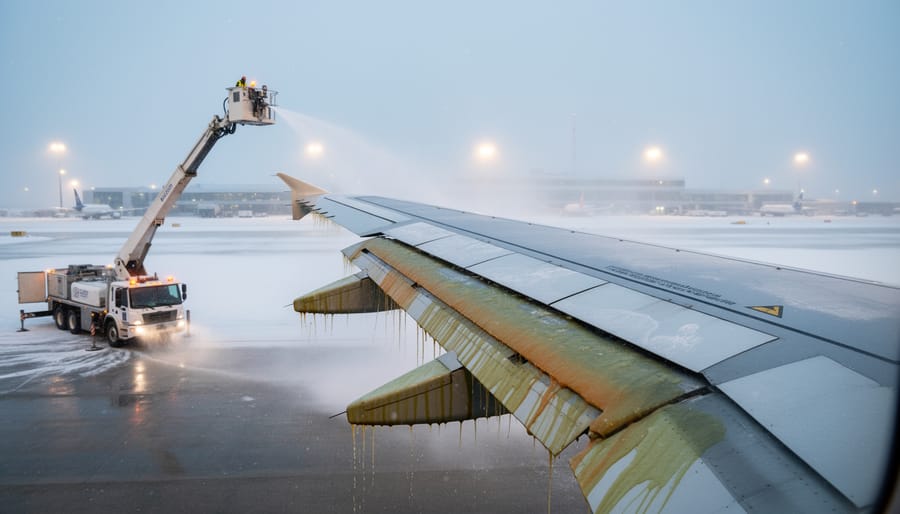
When temperatures plummet in Edmonton, the ripple effects on flight operations start long before passengers arrive at the airport. I learned this firsthand during a December departure when our 7 AM flight sat on the tarmac for two hours while crews meticulously sprayed de-icing fluid on the wings. What looks like a simple spray job is actually a carefully timed operation: the fluid only remains effective for a limited window, and if your plane doesn’t take off before it expires, the whole process starts over. In extreme cold, aircraft also need engine heaters and ground power units just to start up, adding layers of complexity to what should be routine departures.
The ground crews themselves face strict safety protocols when Edmonton’s temperatures drop below certain thresholds. During particularly brutal cold snaps, airlines must limit how long workers can stay outside, which means everything from loading baggage to refueling takes longer. I’ve watched flights delayed simply because it was too dangerous for crews to work continuously in minus-40 conditions. Airports like Edmonton International have issued advisories telling passengers to confirm flight times before heading out because operations would be significantly impacted by extreme cold overnight.
Aircraft performance itself changes dramatically in frigid air. While cold, dense air actually improves engine efficiency in some ways, extreme temperatures affect hydraulic systems, tire pressure, and fuel viscosity. Visibility during snowstorms or blowing snow can shut down operations entirely when pilots and air traffic controllers lose visual reference points. Low cloud ceilings and freezing precipitation create conditions where even planes equipped to fly can’t legally depart or land. These aren’t minor inconveniences but genuine safety concerns that airlines and airports must take seriously, which is why the cancellation and delay rates climb so sharply when Edmonton weather turns harsh.
Seasonal Patterns Every Traveler Should Know
I’ve flown in and out of Edmonton enough times to recognize the patterns. Winter is absolutely the highest-risk period for weather-related disruptions, but each season brings its own quirks that smart travelers learn to anticipate.
Winter: December Through February
These months deserve your full attention when booking Edmonton flights. Extreme cold is the biggest culprit, with temperatures regularly dropping below minus twenty Celsius, sometimes hitting minus thirty or colder. This isn’t just uncomfortable weather; it’s the kind of cold that grounds planes, delays de-icing procedures, and limits how long ground crews can safely work outside. Blowing snow reduces visibility, and Arctic air masses can settle over the city for days at a time. If you’re traveling during these months, book morning flights when possible (before overnight cold peaks) and always build in extra time for connections.
Spring: March Through May
Spring in Edmonton is wildly unpredictable. You might experience a warm, sunny day followed by a surprise snowstorm the next morning. Late-season winter storms can still dump significant snow through March and even into April. The positive side is that as temperatures rise, extreme cold becomes less of a factor, though rapid weather changes can still cause delays. I always pack layers during shoulder season and stay flexible with plans.
| Season | Primary Weather Concerns | Travel Tips |
|---|---|---|
| Winter (Dec-Feb) | Extreme cold, blowing snow, ice fog | Book morning flights, allow extra connection time, carry overnight essentials |
| Spring (Mar-May) | Late snowstorms, rapid temperature swings | Stay flexible, monitor forecasts closely, pack layers |
| Summer (Jun-Aug) | Afternoon thunderstorms, hail | Consider early morning departures, expect brief delays |
| Fall (Sep-Nov) | Early snow, freezing rain, fog | Watch for sudden cold snaps, avoid late November travel if possible |
Summer: June Through August
Summer is generally your safest bet for reliable Edmonton flights. Temperatures are pleasant, and extreme cold isn’t a concern. However, afternoon thunderstorms can roll across the prairies with impressive speed, occasionally causing brief delays. These storms typically pass quickly, but they can pack hail and strong winds. Early morning flights rarely face weather issues during summer months.
Fall: September Through November
Fall mirrors spring’s unpredictability but with the added challenge of early winter arriving. September and early October are usually stable, but by late November, you’re essentially back in winter conditions. Freezing rain becomes a concern during this transition period, creating particularly challenging conditions for aircraft. I treat late November bookings with the same caution I give to full winter travel.
Smart Booking Strategies to Minimize Weather Disruptions
I’ve learned to approach Edmonton flights the way I pack for a Canadian winter: with layers of backup plans. After missing a connecting flight in Toronto because my Edmonton departure sat on the tarmac for three hours of de-icing, I changed how I book entirely.
The smartest move is choosing morning flights when possible. Ground crews work through the night clearing runways and aircraft, so that first departure of the day usually faces fewer accumulated delays. I’ve also noticed airlines prioritize getting early flights out since delays cascade throughout the day. A 7 AM departure might mean a brutal wake-up call, but it’s saved me more than once during winter travel.
For anything important, a cruise departure, a wedding, a non-refundable connection, I build in a full buffer day now. Flying in the day before sounds excessive until you remember that major Canadian airports can see 20 percent of flights cancelled during severe weather events, with another 20 percent delayed. That’s nearly half of all flights affected. The cost of an extra hotel night is nothing compared to missing what you came for.
Airline choice matters more than most travelers realize. I always check rebooking policies before purchasing tickets now. Some carriers will reroute you through different hubs at no charge during weather disruptions, while others leave you stuck waiting for the next available seat, which might be days away during busy periods. The cheapest ticket often becomes the most expensive when you factor in a weather delay.
Direct flights eliminate one potential failure point, but they’re not always the answer. Sometimes a connection through a southern hub like Calgary or Vancouver gives you more rebooking options if Edmonton weather shuts things down. I weigh the trade-offs based on season and trip importance.
Travel insurance deserves serious consideration for winter trips. Standard policies won’t cover weather delays, that’s considered a known risk, but some premium options include “cancel for any reason” coverage. Read the fine print carefully. What they will cover is your accommodations and meals during extended delays, which adds up fast.
One last tip from experience: pack essentials in your carry-on, including medications and a change of clothes. Check our Canada packing tips for what to bring when weather might strand you overnight. I learned this the hard way when my checked bag went to Vancouver while I stayed in Edmonton.
What to Do When Weather Threatens Your Edmonton Flight
When I see a storm forecast roll in toward Edmonton, I immediately pull up my airline app. You don’t want to wait until you’re at the airport to discover your flight’s cancelled.
Start monitoring the forecast about 48 hours before departure. Check weather updates regularly, especially if you’re traveling during winter months. If Environment Canada issues warnings for extreme cold or significant snowfall, that’s your signal to get proactive.
Contact your airline as soon as weather looks threatening. Most carriers allow free rebooking when severe weather is forecast, but you need to act before the official cancellation hits. I’ve saved myself hours of hold time by calling 24 hours ahead rather than joining the crowd at the gate. Airlines often waive change fees during weather events, though they rarely advertise this generously.
If you’re already at Edmonton International and facing delays, know your options. The airport has comfortable seating areas and decent food options, but overnight delays require more planning. Several airport hotels offer day-use rooms and shuttle service, which beats sleeping in a terminal chair. I learned this the hard way during a January cold snap.
Understanding your rights helps too. In Canada, airlines aren’t required to compensate passengers for weather delays since it’s considered outside their control. However, many will provide meal vouchers for extended delays and hotel accommodation if you’re stranded overnight. Ask politely but persistently at the service desk.
Pack smart for potential delays. Keep medications, phone chargers, and a change of clothes in your carry-on. I always throw in snacks and an empty water bottle. During one memorable delay, those granola bars became surprisingly valuable currency for making airport friends.
Stay flexible and patient. Edmonton flight delays happen, but they’re manageable when you’re prepared. The airline staff are dealing with hundreds of frustrated travelers, so kindness goes far.
Frequently Asked Questions
I’ve fielded tons of questions from anxious travelers planning Edmonton trips, so let me tackle the ones that come up most often.
Can I get compensation if weather delays my Edmonton flight?
Weather delays typically don’t qualify for compensation under Canadian passenger rights because they’re considered outside the airline’s control. However, airlines must still provide assistance like meal vouchers and hotel accommodation for lengthy delays, and you may have coverage through travel insurance.
How do airlines decide when to cancel Edmonton flights due to weather?
Airlines monitor temperature forecasts, wind conditions, and visibility reports from Edmonton International Airport, then factor in aircraft capabilities and crew safety regulations. When conditions fall below safe operating thresholds, particularly with extreme cold or poor visibility, they’ll cancel proactively rather than risk delays on the tarmac.
What does “extreme cold” actually mean for flight operations in Edmonton?
Below minus 40 degrees Celsius, ground equipment can fail, de-icing fluid becomes less effective, and hydraulic systems on aircraft struggle to function properly. Many airlines have operational limits around this temperature where they won’t dispatch flights regardless of passenger demand.
Do certain airlines handle Edmonton winter weather better than others?
Canadian carriers like WestJet and Air Canada generally have more experience and better-equipped ground crews for Edmonton’s conditions since they operate year-round in extreme cold. That said, aircraft type matters more than airline, newer planes with advanced de-icing systems perform better in harsh weather.
The truth about flight delay compensation in Canada is that weather creates a frustrating grey area. You won’t get cash payouts for weather-related disruptions, but don’t let airlines off the hook completely. They still owe you care and assistance during delays, and if the delay extends beyond what’s reasonable for the weather event itself, you may have grounds to push back. I’ve successfully argued for hotel coverage when an airline tried to blame weather for issues that were clearly operational.
One question I hear constantly is whether booking morning flights helps avoid Edmonton weather delays. Here’s my honest take: morning departures do slightly reduce your risk because overnight weather systems often clear by dawn, and you’re less likely to inherit delays from earlier flights. But it’s not a guarantee, I’ve sat through plenty of 7 a.m. de-icing sessions that pushed departure times back hours.
Edmonton’s weather doesn’t have to derail your travel plans. Yes, winter cold snaps and prairie weather systems create real challenges for flights in and out of the city. But here’s what I’ve learned through years of Canadian travel: knowing what to expect transforms potential disasters into manageable inconveniences.
The travelers who breeze through Edmonton weather disruptions aren’t just lucky. They’re the ones who book morning flights when possible, build buffer time into tight connections, and keep their airline’s app downloaded before they need it. They pack layers, download offline entertainment, and approach winter travel with realistic expectations rather than crossed fingers.
Edmonton is an incredible gateway to some of Canada’s best adventures, from the northern lights to the Rockies. The weather adds character to the experience, honestly. There’s something satisfying about successfully navigating a Canadian winter flight, arriving at your destination with a story to tell and newfound confidence.
Ready to explore more of Canada? Browse our other travel guides for insider tips on making the most of your Canadian adventures, whatever the weather brings.