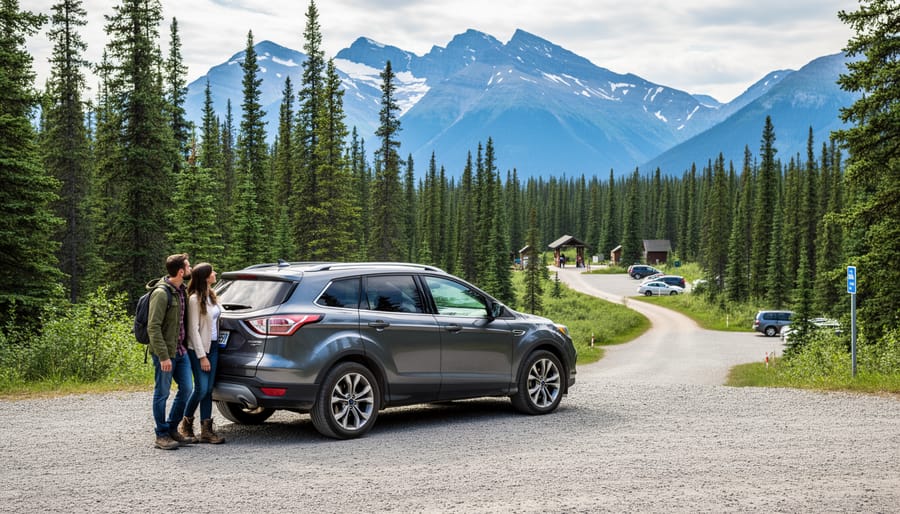
Here’s the truth about the Canada Strong Pass 2026: it costs absolutely nothing because it isn’t a pass at all. From June 19 to September 7, 2026, Parks Canada is waiving entry fees to all national parks and historic sites across the country. There’s no sign-up, no ticket to collect, and no card to present at the gate. Just show up.
But here’s where people get confused about the “free” part. While park entry won’t cost you a dime during those dates, nearly everything else you’ll want to do inside the parks still carries regular fees. That parking spot at the trailhead? Still costs money. The shuttle to get you up the mountain? You’ll pay for that. Camping, kayak rentals, guided hikes, and those incredible Indigenous-led cultural tours? All priced separately, and those costs can add up fast if you’re not planning ahead.
I learned this the hard way during a similar free entry promotion a few years back. My partner and I drove eight hours to Banff, thrilled about our “free” trip, only to discover we’d need to budget for parking, a campsite reservation (which we hadn’t booked far enough in advance), and all the gear rentals we’d optimistically skipped in our planning. What we thought would be a budget weekend ended up costing more than some of our regular park visits.
The Canada Strong Pass window gives you an incredible opportunity to explore places you might not otherwise visit, especially if you’re testing out multiple parks or bringing the whole family. But smart planning means understanding exactly what’s included in that free admission and what isn’t. Regular entry fees kick back in on September 8, so timing matters too.
The Bottom Line: What the Canada Strong Pass Actually Costs
Here’s what you need to know right away: the Canada Strong Pass costs exactly $0. You don’t buy it, you don’t register for it, and you don’t collect any physical or digital pass. It’s simply a free-admission period to Canada’s national parks and national historic sites running from June 19 to September 7, 2026. During those valid free-entry dates you just show up.
I remember when I first heard about this initiative and thought I’d scored a deal that included everything, free camping, free parking, free everything. That lasted about ten minutes until I started actually planning my Banff trip. The reality check hit when I realized the pass waives entry fees only. Parking still costs money. Shuttles to popular spots like Moraine Lake? You’re paying. Campsite reservations? Regular rates apply. Guided tours, equipment rentals, interpretive programs? All charged at their standard prices.
Think of the pass as removing the admission gate charge, but not the cost of doing things once you’re inside. You’re welcome to walk through the park entrance without paying, but the moment you need a parking spot, want to pitch a tent overnight, or join a guided hike, you’re back to standard pricing. It’s a meaningful saving if you’re visiting multiple parks during the summer window, but it’s not a blanket free pass to everything Parks Canada offers.
What’s Free vs. What You’ll Still Pay For
What’s Covered: Free Admission
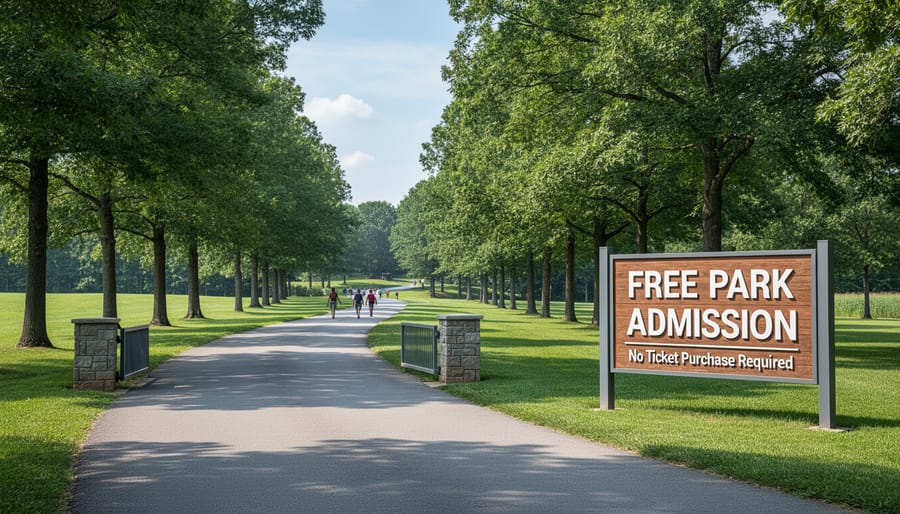
Here’s what genuinely won’t cost you anything during the Canada Strong Pass period: walking through the park gates. From June 19 through September 7, 2026, admission to every Canadian national park and national historic site is completely free. You don’t need to buy anything, register online, print a ticket, or sign up for a program. There’s no physical pass to collect or download.
This means you can drive into Banff, hike through Jasper, explore the fortifications at Louisbourg, or wander the battlefields at the Plains of Abraham without paying the typical daily admission fee. The gates are open, the trails are yours, and entry is genuinely no-cost during this summer window. It’s Parks Canada’s way of inviting everyone to experience these places without the barrier of an entry fee.
The simplicity is refreshing, just show up during those dates and you’re in. No paperwork, no proof of eligibility, no checking your email for confirmation codes. If you’ve ever hesitated to visit a national park because you weren’t sure about the admission process, this eliminates that completely.
What You’ll Still Pay: Regular Fees
While park entry won’t cost you a penny during the Canada Strong Pass window, your wallet isn’t off the hook entirely. Free admission only covers getting through the gate, it doesn’t extend to the services and experiences that make most park visits memorable.
Parking fees hit first and hardest, especially at popular trailheads and scenic viewpoints where demand outstrips supply. Shuttle services to iconic spots like Moraine Lake or Lake O’Hara operate on their regular schedules and pricing. Planning to stay overnight? Camping fees apply at their standard rates whether you’re pitching a tent at a frontcountry site or booking the more comfortable oTENTik camping structures. Backcountry camping requires both permits and nightly fees.
Guided tours, interpretive programs, and ranger-led workshops continue at their usual prices. Equipment rentals, kayaks, canoes, bikes, climbing gear, cost the same as they would any other summer. Hot springs admission, heritage railway rides, and specialized activities all charge their typical fees. The pass opens the door, but everything beyond that basic entry operates on the park’s regular price structure.
My Experience at Banff During the Pass Period
Last summer, I drove into Banff National Park during the Canada Strong Pass window, and the experience taught me exactly what “free entry” means in practice. Pulling through the park gates without stopping to buy a pass felt surprisingly smooth, no ticket booth, no hassle, just a clear road into the Rockies. I spent the morning wandering Banff townsite and hiking around Vermilion Lakes without spending a cent on admission.
The reality check came at Lake Louise. The parking lot required payment (no exceptions during the pass period), and I quickly learned that arriving before 7 a.m. or after 7 p.m. would have helped me snag a spot more easily. The shuttle to Moraine Lake also charged its regular fare, which I hadn’t budgeted for initially. These weren’t surprise fees, exactly, the park made it clear what was free and what wasn’t, but I wish I’d read up on money-saving tips beforehand. Free entry got me through the gate, but planning for the extras made the trip work within my budget.
How Costs Change Based on Your Visit

When You Visit Makes All the Difference
The Canada Strong Pass window runs from June 19 to September 7, 2026, mark those dates now, because they matter more than you’d think. If you roll up to Jasper on June 18 or September 8, you’ll pay the standard park admission fee. I learned this the hard way when I planned a Banff trip for early June one year, only to realize I’d missed the free window by a week and had to budget for entry on top of everything else.
The timing shapes your entire budget. Inside those dates, you walk through the gate without paying a cent for entry. Outside them, adults need a daily or annual discovery pass, and those regular fees outside dates add up fast if you’re visiting multiple parks. This makes the Canada Strong Pass period genuinely the best time to visit if you’re working with a tight budget or planning a multi-park road trip across Alberta and British Columbia.
Check your travel dates against that June 19 to September 7 window before you book anything. If your only flexibility is May or October, you’re looking at a different cost picture altogether.
Age and Demographics
The Canada Strong Pass makes entry free for everyone, no age restrictions, no residency requirements, no registration. Whether you’re a toddler or a retiree, Canadian or international, you walk into any participating park or historic site at no cost during the valid summer window.
That said, age and residency can affect what you pay for camping and some services. Parks Canada has historically offered discounted camping rates for seniors and youth, though specific discount structures vary by season and site. If you’re booking campsites or overnight accommodations during your visit, it’s worth checking directly with the park or site you’re visiting to see what rates apply to your group, these discounts operate separately from the free entry benefit and continue to run on their own schedules.
In my experience visiting with family, the free entry applied to all of us equally, but we did see reduced camping fees for my parents at certain campgrounds. The savings weren’t huge, but they added up over a week-long trip.
What You Want to Do
Your activity wishlist shapes your budget more than anything else. I spent a week in Jasper last summer doing nothing but day hikes and picnicking by lakes, my only costs were parking and groceries. The friend who joined me for three days? She signed up for a guided ice walk, rented camping gear, and booked an overnight backcountry site. Same park, completely different spending.
Simple exploration costs almost nothing. Walking trails, swimming in lakes, wildlife watching from roadside pullouts, and soaking in mountain views are genuinely free beyond whatever you pay to park your car. Pack a lunch, fill your water bottles, and you can spend entire days in the parks without opening your wallet again.
Overnight stays and specialized experiences carry their regular fees. Frontcountry and backcountry camping both require payment, with rates varying by site type and amenities. Guided tours, whether wildlife spotting, glacier walks, or cultural programs, run at standard prices. Equipment rentals for canoes, bikes, or winter gear aren’t included in free entry. Workshops, paddling permits, and shuttle services to popular trailheads all cost extra.
The beauty of the Canada Strong Pass period is choice. You can design a trip that’s essentially free, or layer on paid experiences that enhance your visit, it’s entirely up to what matters most to you.
Understanding What Drives Park Costs
Entry vs. Experience Fees
Understanding the two-tier cost model during the Canada Strong Pass period makes budgeting much easier. Entry fees, what you’d normally pay just to drive through the park gates or walk into a historic site, are completely waived from June 19 to September 7, 2026. That’s the admission layer, and it costs you nothing during those dates.
Experience fees are different. These cover specific services, activities, and amenities inside the parks, and they stick around at their regular rates even when admission is free. Parking lots still charge their usual fees because they’re maintained infrastructure. Shuttle services to popular spots like Moraine Lake run on their normal pricing. Camping reservations, whether you’re pitching a tent or booking a roofed accommodation, cost what they always cost. Guided tours, equipment rentals, and workshop programs carry their standard fees year-round.
Think of it this way: the parks are throwing open their doors for free, but once you’re inside, you’re paying for the things you choose to do and use. When I visited Jasper during a similar period, getting through the entrance was seamless and free, but I still budgeted for parking at trailheads and my campsite reservation just like any other trip.
Infrastructure and Service Costs
Even though entry is free during the Canada Strong Pass period, parks need ongoing revenue to keep trails maintained, bathrooms clean, and facilities running. When I first wondered why parking wasn’t included in the free admission, a park ranger at Jasper explained it perfectly: admission covers the right to be there, but the services and infrastructure that make your visit safe and enjoyable require dedicated funding.
Parking fees support paved lots, road maintenance, and traffic management at popular sites. During peak summer months, these lots see constant use and need regular upkeep. Shuttle services, like the mandatory buses to Moraine Lake or the gondolas at certain mountain sites, cover fuel, drivers, vehicle maintenance, and coordination staff who keep everything running smoothly.
Camping fees go toward washroom facilities, picnic tables, fire pits, bear-proof food storage, and the wardens who monitor campgrounds and respond to emergencies. Backcountry sites need trail markers, bridges, and seasonal inspections. Equipment rentals and guided activities pay for specialized gear, trained guides, liability insurance, and the staff who make those experiences possible.
Think of it this way: free admission gets you through the gate, but the roads you drive, the lot where you park, the shuttle that takes you to the viewpoint, and the campground where you sleep all represent separate service layers. The Canada Strong Pass removes one cost barrier, the entry fee, but the park still needs sustainable funding to maintain the infrastructure and services that millions of visitors rely on every summer.
Planning Your Own Trip vs. Booking a Package
Going Independent: Maximizing the Free Entry Benefit
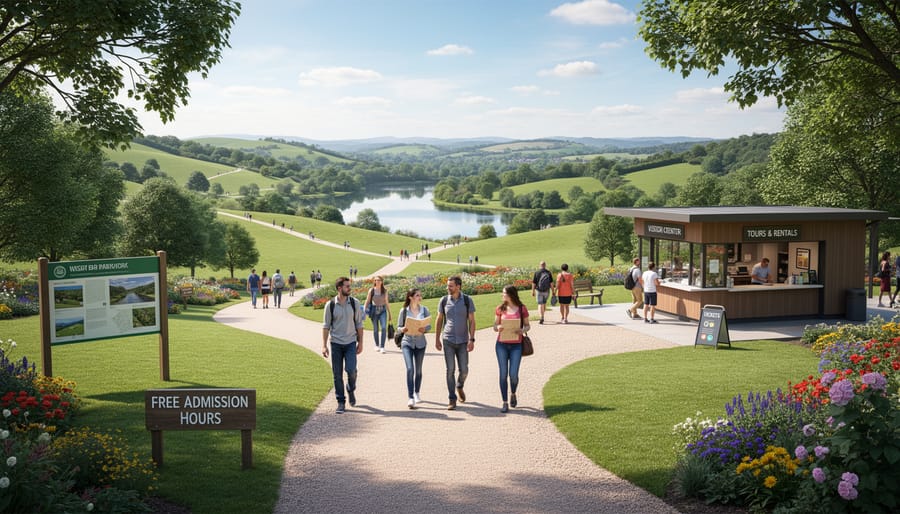
The beauty of going independent during the Canada Strong Pass period is that you control where every dollar goes. I’ve found the best approach starts with mapping out what you’ll genuinely use versus what sounds nice but adds cost.
Pack your own gear rather than renting on-site. Bring hiking boots, water bottles, snacks, and layered clothing. When I visited Jasper during a previous free entry period, packing my own daypack supplies saved me from paying rental fees and inflated townsite prices. If you’re planning backcountry adventures, borrow or buy gear beforehand, rental costs add up quickly.
Skip paid shuttles when you can walk, bike, or carpool. Many popular trails have parking areas within reasonable walking distance of trailheads. Arrive early to snag free roadside parking spots before paid lots fill up. At Banff, I discovered that parking a bit farther from Lake Louise and walking the extra fifteen minutes avoided the lot fees entirely.
Plan self-guided hikes using Parks Canada’s free trail maps and online resources. You don’t need a guided tour to experience the best views, most iconic spots are accessible via well-marked trails. I’ve found that doing your homework beforehand (downloading maps, reading trail reports, checking conditions) gives you the same route knowledge a paid guide would provide.
Bring your own camping equipment if you’re staying overnight. While camping still costs money during the pass period, you’ll pay standard rates rather than premium accommodation prices. Cook your own meals at your campsite instead of eating out, and you’ll stretch your budget significantly further.
Guided Tours and Packages: When They’re Worth It
Sometimes the smartest way to use the free entry period is to let someone else handle the details while you focus on the experience.
Even though you’re not paying for park admission during the Canada Strong Pass window, guided tours and packages can make sense when the value they add justifies their cost. Expert guides bring knowledge you won’t find on trail signs, they know where wildlife congregates at dawn, which viewpoints catch the best light, and the stories behind geological formations. I’ve hiked trails dozens of times on my own, but a naturalist guide once pointed out glacial striations I’d walked past for years without noticing.
Transportation logistics are another consideration. If you’re visiting multiple parks across vast distances or tackling shuttle-dependent areas like Moraine Lake during peak season, a tour package can eliminate the stress of coordinating vehicles, timing, and parking. You’re paying for convenience and efficiency, not just the activities themselves.
Specialized equipment matters for certain experiences. If you want to try ice climbing, backcountry skiing, or whitewater rafting but don’t own the gear or have the technical skills, guided experiences provide both equipment and instruction. The alternative, buying your own gear and learning through trial and error, costs far more than a single guided outing.
Group experiences also create value some travellers seek. Traveling solo? Tours connect you with others who share your interests. Family with mixed ability levels? Guides adjust the pace and provide context that keeps everyone engaged.
The key question: does what you’re paying for, expertise, logistics, equipment, or social connection, add enough value to justify the cost during a period when the park itself is already free?
How to Claim Your Free Entry
No Sign-Up, No Hassle
The beauty of the Canada Strong Pass 2026 lies in its simplicity: there’s literally nothing to do. Between June 19 and September 7, 2026, you don’t need to register online, create an account, download an app, or print any documentation. There’s no pass to collect at a visitor center, no confirmation email to show park staff, and no QR code to scan at the gate. You simply drive up to any participating national park or historic site during those dates and walk right in.
I remember the first time I visited during a similar free admission period, half-expecting some bureaucratic hurdle, a form to fill out, a counter to check in at. Instead, I rolled up to the park entrance, and the staff just waved me through with a smile. No paperwork, no questions, no hassle. That’s exactly how it works.
What to Bring Instead
Since there’s no pass to pick up, here’s what you actually need in your daypack or wallet. Bring valid government-issued ID, driver’s license or passport works, especially if you’re camping or booking any activities that require age verification. If you’re traveling with kids, having their ID or birth certificates on hand can speed up check-ins at campgrounds.
You’ll need a payment method for anything beyond basic entry: credit or debit card for parking kiosks, camping reservations, shuttle tickets, and activity bookings. Cash is handy for smaller sites or vendor stands that might not take cards. I learned this the hard way when a trailhead parking machine only accepted coins.
Check whether your planned activities require permits beyond general park entry, backcountry camping permits, fishing licenses, and some specialized recreation areas still need advance registration and fees, even during the free admission period. The Parks Canada website lists which activities need permits, and many can be reserved online before you arrive. For more preparation ideas, review general Canada travel tips and advice on packing gear for outdoor adventures.
Common Questions About the Canada Strong Pass 2026
Common Questions About the Canada Strong Pass 2026
I’ve fielded a lot of questions about the Canada Strong Pass since it was announced, and I get it, when something’s free, people naturally wonder what the catch is. Here are the answers to the questions I hear most often, plus a few I wish someone had told me before my first visit during the pass period.
Do I need to buy or register for the Canada Strong Pass?
No. There’s nothing to purchase, no registration required, and no pass to print or collect. Free admission is automatic at all participating parks and sites from June 19 to September 7, 2026, just show up.
Which parks and sites are included?
The Canada Strong Pass covers admission to all of Canada’s national parks and national historic sites during the valid dates. This includes major destinations like Banff, Jasper, Pacific Rim, and Gros Morne, as well as hundreds of historic sites across the country.
Does the free admission cover parking fees?
No. While park entry is free, parking fees remain at their regular rates. Many popular trailheads and visitor areas charge for parking, so plan to budget for this separately.
Can I camp for free with the Canada Strong Pass?
No. The pass only waives park admission fees. Camping reservations and overnight stays in all park accommodations, frontcountry sites, backcountry permits, roofed accommodations, cost their standard rates throughout the summer period.
What if I visit outside June 19 to September 7, 2026?
Regular park admission fees apply before June 19 and after September 7. You’ll need to purchase a day pass or annual Discovery Pass for those dates.
Are national historic sites really included?
Yes. Free admission during the Canada Strong Pass period applies to both national parks and national historic sites across Canada, giving you access to a huge range of cultural and heritage experiences at no cost.
One question I didn’t think to ask before my first Canada Strong Pass trip: what do I actually need to bring? Since there’s no pass to show, I wondered if I needed proof of eligibility or some kind of documentation. The answer is simple, bring nothing special for park entry itself. You’ll want ID if you’re booking camping or renting equipment, and obviously bring payment methods for anything beyond basic admission, but there’s no pass to flash at a gate.
Another common confusion: people assume “free” means they can skip planning altogether. Not quite. Popular parks like Banff still require shuttle reservations for certain areas during peak season, and those bookings can fill up fast whether admission is free or not. The Canada Strong Pass removes the entry fee barrier, but it doesn’t eliminate the need to plan ahead for logistics, especially if you’re visiting high-demand spots in July or August.
Pros and Cons
Pros
- Entry to all national parks and historic sites is completely free during the 11-week window with no registration required.
- Perfect timing for summer travel when weather is ideal and parks are fully accessible.
- Easy to take advantage of, just show up during valid dates with no advance planning needed.
- Genuine savings on admission that you can redirect toward experiences, camping, or exploring multiple parks.
Cons
- Limited to a specific summer period, so travelers outside June 19 to September 7 get no benefit.
- All regular fees for parking, shuttles, camping, and activities still apply at standard rates.
- Peak summer crowds mean busier trails, fuller campgrounds, and potentially longer waits for popular spots.
- Free entry attracts more visitors, which can make it harder to secure camping reservations or parking at sought-after locations.
I took advantage of the pass last summer for a weekend in Jasper, and while the free entry saved money, I still spent plenty on campground fees and had to arrive early to snag parking at the Icefields. The pass delivers exactly what it promises, no-cost admission, but don’t expect a completely free park experience. Budget for the extras, plan around crowds, and you’ll get genuine value from those 11 weeks of open access to Canada’s most stunning landscapes.
The Canada Strong Pass 2026 isn’t something you buy, it’s a genuine summer gift that opens the doors to Canada’s national parks and historic sites from June 19 to September 7, 2026, without any purchase, registration, or ticket required. Just show up during that window and walk right in.
That said, free entry doesn’t mean a completely free trip. You’ll still need to budget for parking, camping fees, shuttles, equipment rentals, and any guided tours or activities you want to experience. These regular costs remain in place, so planning ahead makes all the difference between a budget-friendly adventure and an unexpectedly expensive one.
I’ve spent summers exploring parks across the country, and there’s something special about knowing the barrier to entry is completely gone during this period. It’s the perfect excuse to finally visit that park you’ve been putting off or to introduce your kids to the backcountry without worrying about admission fees eating into your budget. Even with the additional costs, the value is real, especially if you’re strategic about what you pay for and what you bring yourself.
Mark June 19 to September 7 on your calendar now. Start researching which parks fit your travel plans, figure out your parking and camping costs in advance, and decide which paid experiences are worth it for your group. This window won’t last forever, and there’s no better time to explore what makes Canada’s wilderness truly extraordinary.