
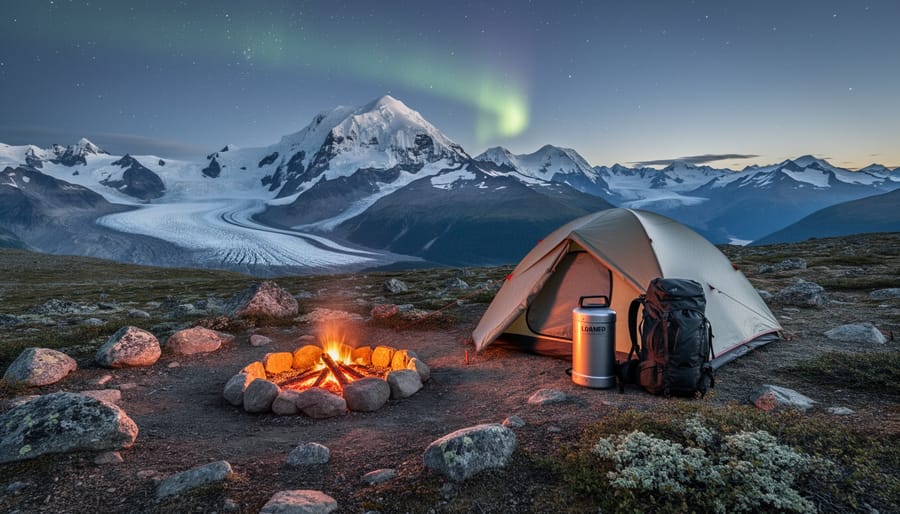
Kluane National Park and Reserve in Canada’s Yukon is home to the world’s largest non-polar ice fields, towering peaks that include Mount Logan (Canada’s highest), and some of the most pristine wilderness you’ll find anywhere in the north. If you’re planning a visit for the 2026 season, here’s what matters most: the park now requires mandatory registration and permits for all visitors, with backcountry permits costing $5 to 10 USD per night and bookings opening January 19th for the hiking season.
I’ll be straight with you. This isn’t your typical drive-through national park experience. Kluane demands more from visitors, but what it gives back is extraordinary. We’re talking about grizzly territory where you’ll spot Dall sheep on mountainsides, hike through valleys carved by massive glaciers, and camp under skies so dark the northern lights feel close enough to touch.
The new 2026 registration system might seem like extra hassle, but it’s actually made planning easier in some ways. You’ll pick up your backcountry permit at the Haines Junction visitor center, where they’ll hook you up with a bear canister loan (no extra charge) and current trail conditions. Bear warnings are active across several areas, so that pre-trip briefing isn’t just paperwork, it’s essential safety intel.
Whether you’re a young family looking for an unforgettable Canadian adventure or someone craving true wilderness away from the crowds, Kluane delivers. Just know that “away from the crowds” is literal here. Cell service? Forget it. Nearest town? Plan accordingly. But that remoteness is exactly why this place has stayed so spectacularly wild.
Why Kluane National Park Should Be on Your 2026 Bucket List
I’ll be honest, when I first started researching Canadian national parks for my 2026 travel plans, Kluane wasn’t even on my radar. But after digging into what this Yukon wilderness offers, it’s shot straight to the top of my must-visit list. This place isn’t just another pretty park. It’s a whole different level of wild.
Picture this: you’re standing at the edge of a landscape where massive glaciers stretch as far as you can see, grizzly bears roam freely across alpine meadows, and Canada’s tallest mountain towers over one of the world’s largest non-polar ice fields. That’s Kluane. While places like Banff and Jasper are bursting with summer crowds, you can hike for hours here without seeing another soul.
What makes Kluane truly special:
- Over 80% of the park is covered by ancient glaciers and ice fields
- Prime grizzly bear and Dall sheep viewing in their natural habitat
- Genuine backcountry solitude on trails that see a fraction of the traffic elsewhere
- Rich Champagne and Aishihik First Nations cultural heritage woven into the landscape
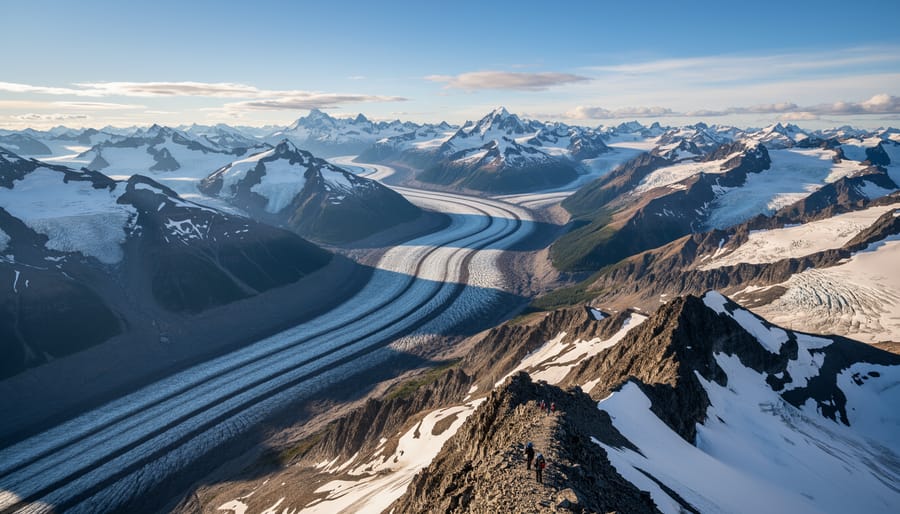
The park is gaining serious traction among adventure travelers who want something beyond the usual tourist trail. There’s a rawness here that you just don’t get in more developed parks. Mount Logan, Canada’s highest peak at 5,959 meters, dominates a wilderness so vast it earned UNESCO World Heritage status.
What really sold me is the accessibility of that wild experience. You don’t need to be a hardcore mountaineer to feel the magic. Day hikes offer stunning glacier views, and with the new 2026 permit system making backcountry trips more organized than ever, planning your wilderness adventure is actually straightforward. This is your chance to explore one of North America’s last true frontiers before everyone else catches on.
Planning Your Visit: Essential Information for 2026
Getting There and Gateway Towns
Getting to Kluane starts with flying into Whitehorse, Yukon’s capital and your gateway to the north. Most visitors arrive via direct flights from Vancouver, with seasonal connections from other Canadian cities. I’ve found that booking flights well in advance, especially for summer 2026, makes a huge difference to your budget.
From Whitehorse, you’ll drive west along the Alaska Highway toward Haines Junction, your essential base for exploring Kluane. The 160-kilometer stretch takes roughly two hours in good conditions and offers stunning mountain views that build anticipation for what’s ahead. Renting a vehicle in Whitehorse is necessary, as no public transit serves the park. A standard car handles the paved Alaska Highway just fine, though I always recommend a vehicle with decent clearance if you plan to explore rougher park access roads.
Haines Junction sits right at the park’s doorstep and serves as your hub for permits, supplies, and accommodation. This small community of under 1,000 people punches above its weight with surprisingly good services, including the Parks Canada visitor center where you’ll pick up your mandatory backcountry permits starting in 2026. The town feels wonderfully remote yet accessible, with that authentic Yukon character you’re seeking.
Before you head north, brush up on general Canada travel tips about crossing vast distances and preparing for variable weather. The drive itself becomes part of the adventure, so fill your tank, pack snacks, and embrace the journey.
Best Time to Visit
Summer is prime time for Kluane, and for good reason. The hiking season runs from mid-June through early September, when trails are snow-free and the backcountry registration system is fully operational. I’ve found late June through July offers the longest daylight hours, we’re talking 20+ hours of sunshine, perfect for extended day hikes or those evening wildlife-watching sessions. August brings slightly shorter days but often more stable weather, plus the berries are out in full force.
Shoulder seasons have their own magic. Late May and early June mean fewer visitors and dramatic snow-capped peaks, though trails can still be muddy or snowbound at higher elevations. September is stunning for fall colors, especially around Kathleen Lake, but be prepared for cooler temperatures and earlier sunsets.
Weather in the Yukon is notoriously unpredictable. Pack layers regardless of when you visit, I’ve experienced everything from scorching sun to sudden rain squalls in a single July afternoon. Crowds? Even peak summer feels uncrowded compared to Banff or Jasper. You’ll see other hikers on popular trails like King’s Throne, but you won’t be jostling for trailhead parking.
Where to Stay
Haines Junction is your home base for exploring Kluane, and you’ll find a handful of cozy lodges and motels that book up fast during summer. I stayed at a local inn my first visit and loved the small-town hospitality, though options are limited, think rustic comfort rather than luxury. For budget travelers, the park offers several campgrounds including Kathleen Lake, which has stunning morning views and basic facilities. If you’re planning a summer 2026 trip, book your accommodation now, not later. Seriously, June through August fills up months in advance, and you don’t want to be scrambling for a room after driving eight hours from Whitehorse. Some travelers also camp in Whitehorse and day-trip to Kluane, though that’s a lot of driving. Whatever you choose, nail down your lodging before you book those backcountry permits in January.
2026 Permits, Fees, and New Registration Requirements
Here’s the thing about visiting Kluane in 2026: you can’t just show up and hope for the best anymore. Parks Canada has implemented a mandatory registration and permit system that you absolutely need to know about before you pack your bags. Trust me, this is prep work you want to tackle early.
If you’re planning any overnight backcountry trips, you’ll need to secure a backcountry permit before you hit the trails. The good news? You can book spots starting January 19 for the entire 2026 hiking season, which means you can lock in your dates well before you finalize flights or accommodation. This is especially important if you’re eyeing popular routes during peak summer months.
The permit fees themselves won’t break the bank. You’re looking at US$5 to 10 per night for backcountry camping, which is pretty reasonable considering what you get access to. All backcountry permits must be picked up in person at the Haines Junction visitor center before you head out. This isn’t a bureaucratic hassle, it’s actually a smart stop because the staff will brief you on current trail conditions, weather forecasts, and any wildlife activity you should know about.
Here’s a bonus that makes this system even better: your permit comes with a free bear canister loan. These are required for proper food storage in the backcountry, and buying or renting one elsewhere would easily cost more than your permit fees. You’ll return it when you’re done.
Now, about that bear warning. There’s currently an active bear warning in the park, which comes with specific time restrictions you need to follow. From 23:00 to 07:00 daily starting March 21, movement is restricted. However, Parks Canada has established use windows from 09:00-10:30 and 17:00-19:00 when you can be active in the backcountry. This might sound limiting, but it’s designed to minimize human-bear encounters during peak animal activity periods. Plan your hiking days around these windows, and you’ll be fine.
Day hikers who aren’t camping overnight don’t need permits, but I’d still recommend stopping at the visitor center to register your plans and get current safety information.
Top Things to Do in Kluane National Park
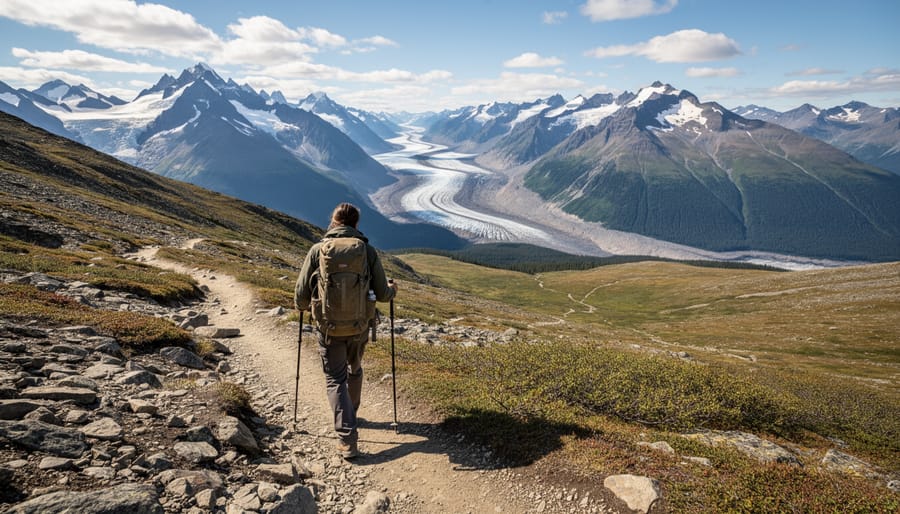
The moment I stood at the trailhead looking up at King’s Throne, I understood why people make the long journey to Kluane. This park doesn’t do anything halfway, every experience here feels bigger, wilder, and more memorable than you’d expect.
King’s Throne: The Ultimate Day Hike
If you only have time for one hike, make it King’s Throne. This 5-kilometer trail climbs steeply through alpine meadows to a rocky summit overlooking Kathleen Lake and the sprawling Kluane Range beyond. It’s challenging, expect about 4-5 hours round trip with 400 meters of elevation gain, but the panoramic views make every switchback worth it. I caught my breath at the top and watched Dall sheep grazing on distant ridges while glaciers sparkled in the afternoon sun. Start early in summer to avoid afternoon heat and bring plenty of water, as there’s no reliable source along the way.
Auriol Trail: A Gentler Introduction
For families or anyone wanting a less intense outing, the Auriol Trail offers 15 kilometers of relatively flat terrain through boreal forest and along Dezadeash River wetlands. We spotted a moose browsing willows on our morning walk, and the wildflowers in July were spectacular. It’s one of those hikes where you can set your own pace and turn back whenever suits you.
Flightseeing Over Ice Fields
Here’s where you splurge. A flightseeing tour over the Kluane ice fields changed everything I thought I knew about scale. From the air, you’ll see the Lowell Glacier, Mount Logan’s massive summit, and rivers of ice that seem to stretch forever. Tours run from Haines Junction starting around CA$300 per person for an hour, though prices vary by operator and group size. Splitting a charter with other travelers cuts costs significantly.
Wildlife Watching and Scenic Drives
The Alaska Highway through the park is a destination itself. Drive slowly, scan the roadside meadows, and you’ll likely spot grizzlies, caribou, or golden eagles. The pullouts along Kathleen Lake Road offer stunning photo opportunities without leaving your vehicle. I’ve found early morning and evening hours best for wildlife activity.
For those tackling multi-day backcountry routes like Cottonwood or Slims West, remember you’ll need that backcountry permit from the Haines Junction visitor center. These trails rank among the best Canadian hiking trails for experienced adventurers seeking true solitude, but they demand proper preparation and bear safety knowledge.
Wildlife and Safety in Bear Country
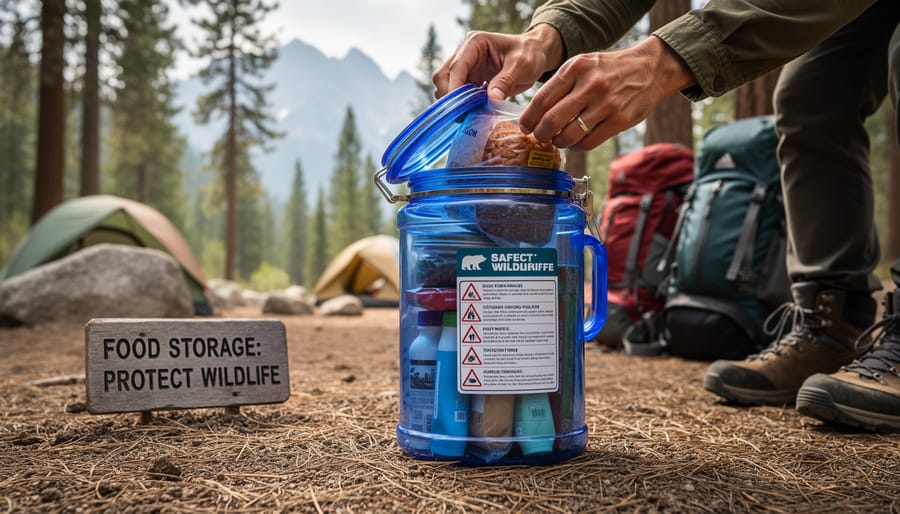
I’ll be honest, sharing bear country with grizzlies and black bears was intimidating before my first Kluane trip, but understanding how to stay safe transformed that fear into respect and excitement. The park is home to healthy populations of both bear species, and while encounters are relatively rare when you follow proper protocols, being bear-aware is absolutely essential. Parks Canada takes wildlife safety seriously here, which is exactly why backcountry permits now include a bear canister loan. These hard-sided containers are your best defense against attracting bears to your campsite, and using them properly isn’t complicated, just store all scented items (food, toiletries, even lip balm) inside and place the canister at least 100 meters from where you sleep.
Making noise while hiking is your most effective prevention strategy. I chatted constantly with my hiking partner, clapped occasionally in thick brush, and never once felt unsafe because bears generally want nothing to do with humans, they just need to know you’re coming. If you do spot a bear, stay calm, speak in a low voice, and back away slowly without running. Never approach for photos, no matter how tempting. Keep bear spray accessible (not buried in your pack) and know how to use it before you hit the trail.
Beyond bears, standard backcountry safety applies: tell someone your itinerary, carry the ten essentials, purify all water, and be prepared for rapidly changing mountain weather. The Kluane wilderness demands respect, but it rewards preparedness with some of the most spectacular wildlife viewing in Canada, I’ve spotted Dall sheep, caribou, and golden eagles, all from a safe, respectful distance.
Money-Saving Tips for Your Kluane Adventure
Visiting Kluane doesn’t have to drain your wallet if you make smart choices before you hit the road. The biggest money-saver? Stock up on groceries in Whitehorse before driving to Haines Junction. I learned this the hard way on my first trip, Haines Junction has limited options and prices reflect its remote location. Load your cooler with fresh produce, snacks, and meal ingredients at a Whitehorse supermarket, and you’ll save considerably over the week.
Camping is your friend here. The backcountry permits run just US$5-10 per night and include a bear canister loan, making overnight adventures surprisingly affordable. Even frontcountry camping near Haines Junction costs a fraction of lodge rates. If you’re craving one comfortable night, save it for Whitehorse at either end of your trip rather than paying premium prices in the park area.
Flightseeing tours offer those jaw-dropping glacier views, but they’re the splurge item. If you’re traveling with others, split the cost, many operators offer group rates that make it more manageable. Meanwhile, all the day-use areas and scenic viewpoints along the Alaska Highway are completely free.
Smart gear and packing choices matter too. Bring layers you already own rather than buying new outdoor clothing, and pack a camp stove to cook your Whitehorse groceries instead of eating out. These small decisions add up to big savings while you’re soaking in some of Canada’s most spectacular wilderness.
Frequently Asked Questions
I get asked a lot of practical questions about visiting Kluane, so I’ve rounded up the most common ones to help you prepare for your trip.
Do I need a 4×4 vehicle to visit Kluane?
No, you don’t need a 4×4 for most visitors. The Alaska Highway and main access roads to trailheads are paved or well-maintained gravel suitable for regular vehicles, though ground clearance helps on some backcountry roads.
Can I visit Kluane in winter?
Yes, but it’s a very different experience requiring specialized gear and winter travel skills. Most facilities close, temperatures plummet well below freezing, and daylight is limited, so winter visits are best suited for experienced cold-weather adventurers.
How difficult are the hikes?
Difficulty ranges from moderate day hikes like King’s Throne (suitable for reasonably fit hikers) to demanding multi-day backcountry routes requiring navigation skills and wilderness experience. Start with day hikes to gauge your comfort level.
Is cell service available in the park?
Cell service is spotty at best in Haines Junction and non-existent once you’re in the backcountry. Download offline maps, tell someone your plans, and embrace the digital detox.
One of the biggest travel mistakes to avoid is underestimating how remote Kluane truly is. Pack layers for unpredictable weather, sturdy hiking boots, bear spray, a quality rain jacket, and all your food if you’re camping. The visitor center in Haines Junction loans bear canisters with your backcountry permit, which saves you buying one. I always bring extra socks, a headlamp, and way more snacks than I think I need because there’s something about mountain air that makes you constantly hungry. And honestly, do you really need backcountry experience to visit? For day hikes, not necessarily, but overnight trips demand solid camping skills, bear awareness, and comfort with self-sufficiency in truly wild terrain.
I’ll be honest with you: planning a trip to Kluane takes more effort than booking a quick getaway to Banff or Jasper. But that’s exactly what makes it special. The new 2026 permit system means you’ll need to book ahead starting January 19, but this small bit of advance planning opens up one of Canada’s most spectacular wild places. I still remember standing at the trailhead on my first visit, realizing I had an entire wilderness to myself while thousands crowded the trails in more famous parks.
Kluane isn’t for everyone, and that’s okay. It rewards those willing to drive the extra hours, pack the bear canister, and embrace true remoteness. If you’re craving an adventure that feels genuinely wild, where glaciers stretch beyond sight and grizzlies still rule the landscape, this is your place. The Yukon is calling. Will you answer?