I’ve been watching travelers pour into Canada for years, and the mistakes they make are remarkably predictable. The good news? Nearly every one of them is avoidable with a bit of planning. From underestimating distances (this country is massive) to forgetting travel insurance (trust me on this one), most travel mishaps come down to assumptions that don’t hold up once you cross the border.
The biggest traps I see fall into three categories: logistical oversights like misjudging driving times between cities, cultural blind spots such as tipping expectations and entry requirements, and safety issues ranging from wildlife encounters to winter weather preparedness. Each one can derail your trip, but each one is also completely preventable.
What makes these mistakes so frustrating is that they’re rooted in lessons other travelers have already learned the hard way. I’ve watched friends scramble for last-minute bookings during peak season, seen visitors in flip-flops facing a sudden snowstorm in May, and heard countless stories of people who thought their regular health insurance would cover them abroad (it usually doesn’t).
This guide pulls from real experiences, both mine and those of travelers I’ve met across the country. You’ll find twelve specific mistakes that trip people up most often, along with exactly how to sidestep each one. No vague advice or obvious tips. Just the practical, boots-on-the-ground lessons that’ll help you plan a smarter Canadian adventure from the start.
Why These Mistakes Matter (And How I Learned the Hard Way)
I’ve spent over a decade exploring Canada, from the rugged coasts of Newfoundland to the alpine peaks of British Columbia, and I’ve made nearly every mistake on this list at least once. Some were minor inconveniences, showing up to a sold-out campground, shivering in a T-shirt during a June snowstorm in the Rockies, while others cost me serious time and money. I’m not sharing these to embarrass myself, but because I’ve watched countless travelers make the same assumptions I did, and I genuinely believe a little heads-up can transform your trip.
Canada isn’t like visiting a compact European country where you can hop between cities in an hour or two. It’s the second-largest country on Earth, spanning six time zones, with weather that swings from desert heat to arctic cold depending on where and when you visit. What works in Toronto doesn’t apply in Yukon, and summer in Vancouver looks nothing like summer in Churchill. These regional quirks aren’t obvious from a map, and that’s where travelers, even experienced ones, get tripped up.
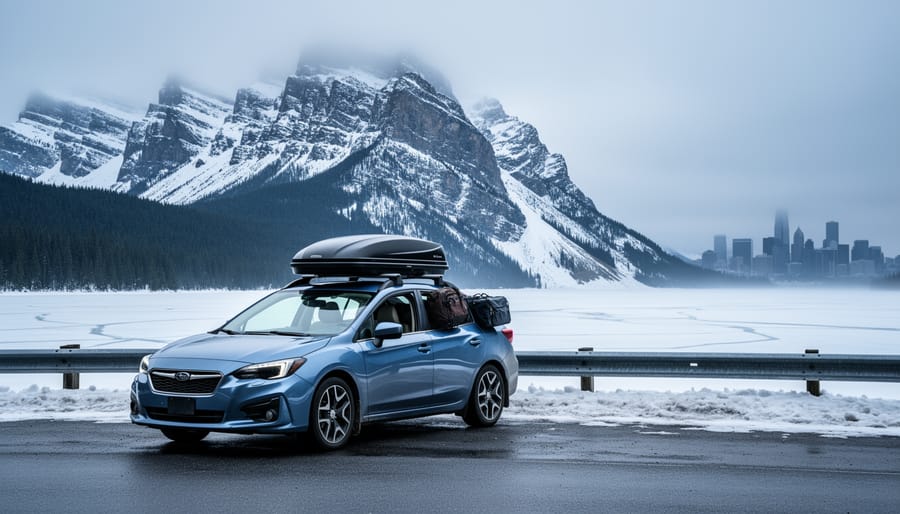
The twelve lessons that follow aren’t pulled from a guidebook or generic travel blog. They’re hard-won insights from my own blunders and those I’ve witnessed firsthand on trails, highways, and hostel common rooms across the country. My hope is that by learning from my missteps, you’ll spend less time stressed and more time soaking in everything this incredible country has to offer.
1. Underestimating Canadian Distances and Drive Times
I’ll never forget my first Canadian road trip. I confidently booked a Vancouver hotel for night one, Banff for night two, thinking it was a quick scenic drive. Eight grueling hours later, white-knuckling through mountain passes in fading daylight, I realized I’d made a classic rookie mistake.
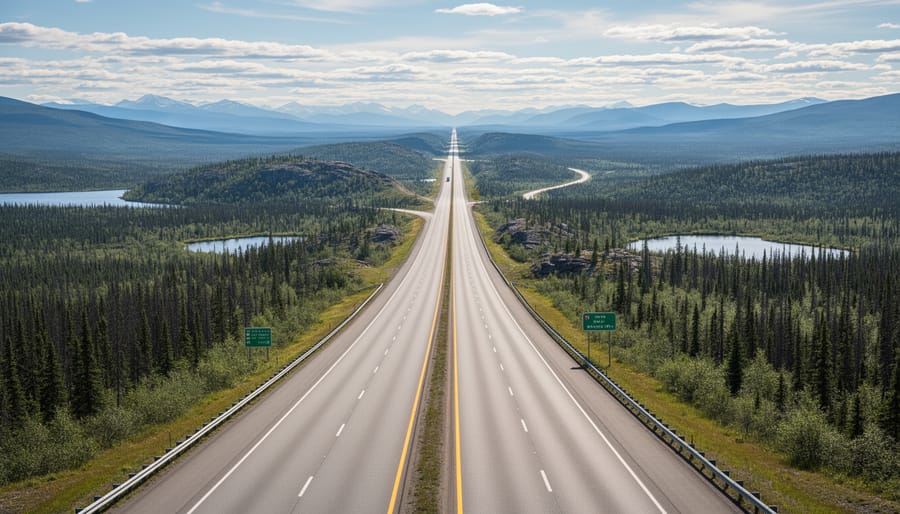
Canada is massive. Vancouver to Banff is 850 kilometers, about the same distance as driving from Paris to Barcelona. Toronto to Montreal? That’s five hours minimum, and Montreal to Quebec City adds another three. Many travelers glance at a map, see two cities in the same province, and assume they’re neighbors. They’re not.
I’ve watched countless tourists stumble into this trap, planning four-city itineraries across a week and spending half their vacation exhausted behind the wheel. My rule now is simple: limit driving to four or five hours daily, max. That leaves time to actually enjoy roadside attractions, take photos at viewpoints, and arrive at your destination ready to explore rather than collapse.
The beauty of slowing down is discovering places you’d otherwise blast past. That quirky cafe in the Rockies, the stunning lakeside picnic spot, the Parks Canada Store with local souvenirs, these become highlights when you’re not racing against an impossible itinerary.
2. Ignoring Seasonal Weather Extremes
I learned this lesson the hard way during a June trip to Jasper National Park. I packed my suitcase like I was heading to a typical North American summer vacation, shorts, t-shirts, sandals, maybe one light sweater for evening. After all, it was summer, right? Wrong. I stepped off the bus at the Columbia Icefields to find snow on the ground and temperatures hovering around 2°C. I spent the entire glacier tour shivering in my thin hoodie while everyone else looked perfectly comfortable in their puffy jackets and hiking boots.
Canada’s weather doesn’t follow the rules you might expect. Mountain regions like the Rockies, coastal BC, and northern territories can see freezing temperatures, snow, and rain year-round, regardless of what month appears on the calendar. I’ve witnessed heatwaves in May and snow in August. The temperature swings are real, and they catch unprepared travelers off guard constantly.
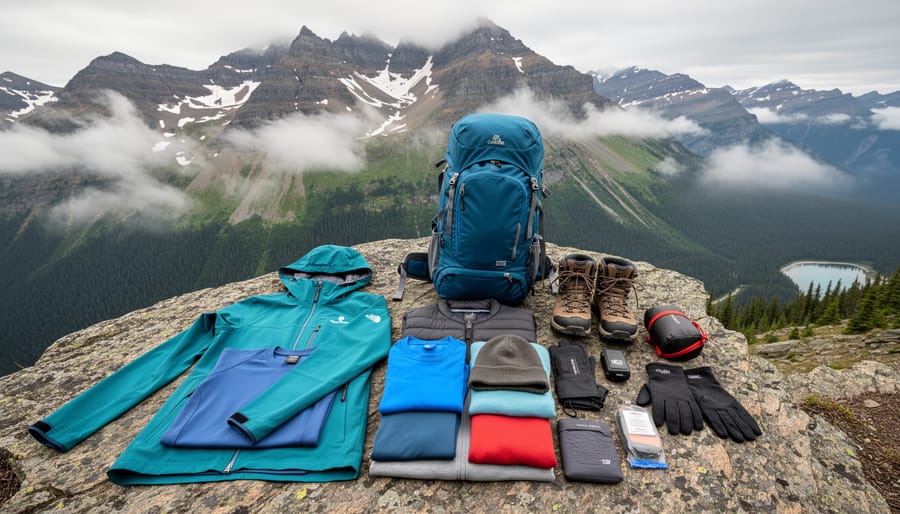
Now I travel with a layering system no matter the season: moisture-wicking base layer, insulating mid-layer (fleece or down), and a waterproof outer shell. I check Environment Canada’s regional forecasts for each destination on my itinerary, not just the general “Canada weather.” The difference between Vancouver’s mild coast and Whitehorse’s subarctic climate is massive, even in summer. Pack for the microclimates you’ll actually encounter, not the season on paper.
3. Skipping Travel Insurance
Here’s the thing most travelers don’t realize until it’s too late: Canada’s world-class healthcare system is free for Canadians, but visitors pay full freight, and those bills can be staggering. I once met a couple from Texas who’d skipped travel insurance to save a hundred bucks. Their daughter broke her arm skiing in Whistler, and the emergency room visit, X-rays, and cast came to just over $15,000. They were still paying it off a year later.
Whether you’re planning to hike, ski, book Parks Canada campsites or catch the Moraine Lake shuttle for a day in the Rockies, comprehensive travel insurance is non-negotiable. Look for policies that cover emergency medical, trip cancellation, and evacuation, especially if you’re doing anything remotely adventurous. A twisted ankle on a backcountry trail can mean a helicopter rescue that costs thousands. Trust me, the peace of mind is worth every penny.
4. Not Booking National Park Passes and Campgrounds Early
I learned this lesson the hard way in Banff. We rolled up to the park gates in July, ready for three nights of camping under the stars, only to be told every single campground within a 90-kilometer radius was fully booked. We ended up backtracking to Canmore and paying hotel prices we hadn’t budgeted for, all because I assumed we could just show up and find a spot.
Canada’s national parks are wildly popular in summer, and reservations open months in advance, often booking solid within hours for peak dates. Parks Canada campgrounds for July and August typically open for reservation in mid-January, and prime sites in Banff, Jasper, and Pacific Rim vanish almost immediately. Gros Morne follows a similar pattern. If you’re planning a summer visit, you need to be online the morning reservations open, ready to click fast.
Even if you’re not camping, some parks now require timed-entry vehicle reservations for certain areas during peak season to manage crowds. Lake Louise and Moraine Lake in Banff both implemented this system, and spots fill up weeks ahead. Check the Parks Canada website for your specific destination and book the second reservations become available. Your wallet and stress levels will thank you.
5. Overlooking Regional Travel Requirements (eTA, Visa, Entry Documents)
I’ll never forget the panicked text I got from my friend Sarah two days before her flight to Vancouver: “Wait, do I need a visa for Canada?” Cue frantic Google searches and a late-night scramble to sort out her eTA application. She’s not alone, entry requirements catch travelers off guard more often than you’d think, and unlike packing the wrong jacket, this mistake can literally ground your trip before it starts.
Here’s the thing: Canada’s entry requirements vary widely depending on your nationality, and assuming you can just show up with a passport is a gamble you don’t want to take. Most visa-exempt foreign nationals flying into Canada need an Electronic Travel Authorization, which costs $7 CAD and takes minutes to apply for online, but can take days to process if there’s a hiccup. I’ve watched travelers at the airport get turned away because they didn’t realize this applied to them.
US citizens have it slightly easier since they don’t need an eTA when flying in, but they absolutely need a valid passport (enhanced driver’s licenses work at land crossings but not airports). International visitors should check whether their country requires a full visitor visa instead of an eTA, and processing times for those can stretch weeks or months.
Before you book anything, make sure you have:
- A passport valid for at least six months beyond your planned departure
- An approved eTA or appropriate visa for your nationality
- Proof of onward travel (return ticket or itinerary)
- Travel insurance confirmation ready to show if asked
Border agents can also ask for proof of sufficient funds and your travel plans, so keep printed or digital copies handy. Sarah got her eTA approved within hours, but that midnight stress could’ve been avoided with ten minutes of research a month earlier. Don’t let paperwork be the thing that derails your Canadian adventure.
6. Assuming Credit Cards Are Accepted Everywhere
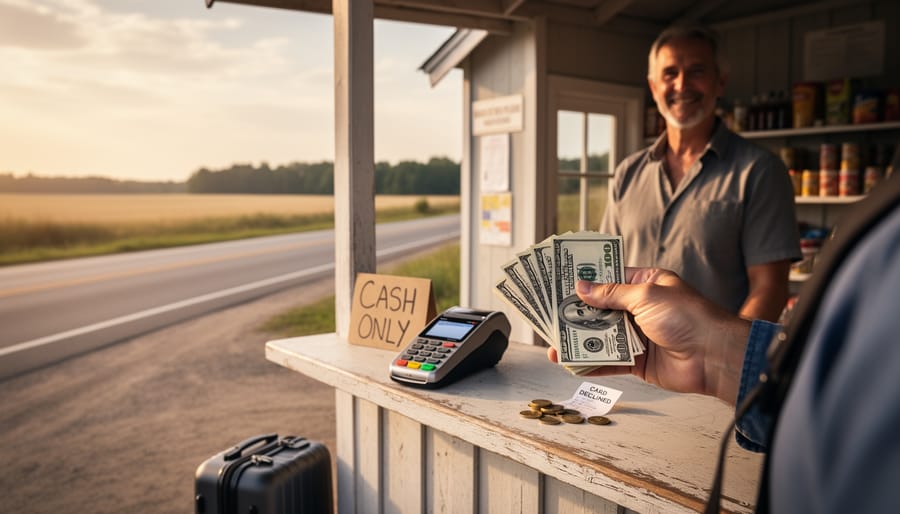
I learned this lesson the hard way on a road trip through rural British Columbia. After a long morning of driving, I pulled into a tiny gas station near Lillooet, completely out of fuel. The card reader was down. The closest ATM? Forty kilometers back the way I came. Thankfully, the attendant let me pump first and return with cash later, but I’ve never felt quite that foolish on a trip.
Here’s the reality: while Toronto and Vancouver are as cashless as any modern city, Canada’s smaller towns, remote regions, and local businesses often run differently. Family-owned diners, roadside fruit stands, farmers’ markets, and even some gas stations in places like rural Quebec, the Maritimes, or northern Ontario prefer cash or have unreliable internet connections that make card payments impossible. I’ve hit this situation in Newfoundland fishing villages, prairie truck stops, and mountain-town cafés.
My rule now: always carry at least $100-150 in Canadian cash, especially on road trips. Use bank ATMs rather than standalone machines to avoid hefty fees, and withdraw larger amounts less frequently. Before heading into rural areas, grab cash in the last sizeable town. Your credit card will work most places, but when it doesn’t, you’ll be grateful you planned ahead.
7. Renting a Car Without Understanding Winter Tire Rules and Insurance
I learned this one the expensive way on a January road trip from Montreal to the Laurentians. I picked up my rental car, declined extra insurance (figuring my credit card had me covered), and hit the road, only to discover halfway there that Quebec legally requires winter tires from December 1 to March 15. My rental company had equipped the car properly, but I hadn’t even thought to ask. In British Columbia or Ontario during the same period, winter tires are merely recommended, not mandated by law.
Here’s where it gets trickier: that credit card insurance I was counting on? It typically only covers collision damage, not liability or loss-of-use charges that Canadian rental companies love to tack on. I spoke with a traveler in Whistler who declined the rental agency’s Collision Damage Waiver, then scraped a pole in icy conditions. His credit card reimbursed the repair cost eventually, but he paid $2,400 upfront out of pocket and waited three months for the claim to process.
My insider advice: if you’re renting between November and April anywhere in Canada, confirm the car comes with winter tires (most do, but verify). For insurance, the Loss Damage Waiver from the rental company gives you immediate peace of mind and zero out-of-pocket hassle. Check your credit card’s Canadian rental coverage details before you go, because many exclude trucks, vans, and luxury vehicles. When you’re navigating snowy mountain passes or icy prairie highways, proper tires and clear insurance aren’t just smart, they’re essential.
8. Overpacking Your Itinerary with Too Many Cities
I learned this one the hard way on my very first Canadian adventure. I tried to cram Vancouver, Calgary, Banff, Toronto, Montreal, and Quebec City into 12 days because, well, I was finally in Canada and wanted to see it all. What I actually saw was the inside of airports, rental car return desks, and hotel check-in lobbies. I spent more time packing and unpacking than actually experiencing anything. By day eight, I couldn’t remember which city had the great coffee shop or the beautiful waterfront walk because it all blurred together in an exhausted haze.
When I returned two years later, I did things differently. I spent a full week just exploring BC’s coast and Vancouver Island, and it was transformative. I hiked trails I’d never heard of, chatted with locals at farmers’ markets, discovered hidden beaches, and actually felt like I knew a place rather than just checked it off a list.
Canada is massive, with each region offering completely different experiences. Trying to see everything means you’ll appreciate nothing. Give yourself permission to leave things for next time. The country isn’t going anywhere, and you’ll thank yourself for those slow mornings at a local cafe instead of another 5 AM airport dash.
9. Forgetting About Tipping Customs
I learned this one through my German friend Max, who confidently left $5 on a $60 dinner bill in Toronto, genuinely believing he’d been generous. The server’s confused expression told the whole story.
Here’s the reality: Canada follows North American tipping norms, not European ones. Tipping 15-20% is expected, not optional, for table service at restaurants. Your server’s base wage assumes tips, so this isn’t a bonus, it’s how they earn a living wage.
The same percentages apply to taxi drivers, hairdressers, and tour guides. Hotel porters typically get $2-5 per bag. For takeout orders, 10% is appreciated but not mandatory. At coffee shops, tipping is optional but common, even a dollar in the jar makes a difference.
Here’s what threw Max: in restaurants, the bill shows your subtotal before tax. Tip on the pre-tax amount, but many Canadians round up on the total for simplicity. Most payment terminals now prompt you to select 15%, 18%, or 20%, making it straightforward.
Skip tipping at fast-food counters or self-serve cafeterias. And if you receive truly terrible service, you can tip less, but know that this is rare and noticeable in Canadian culture.
10. Not Respecting Wildlife Distances and Safety Rules
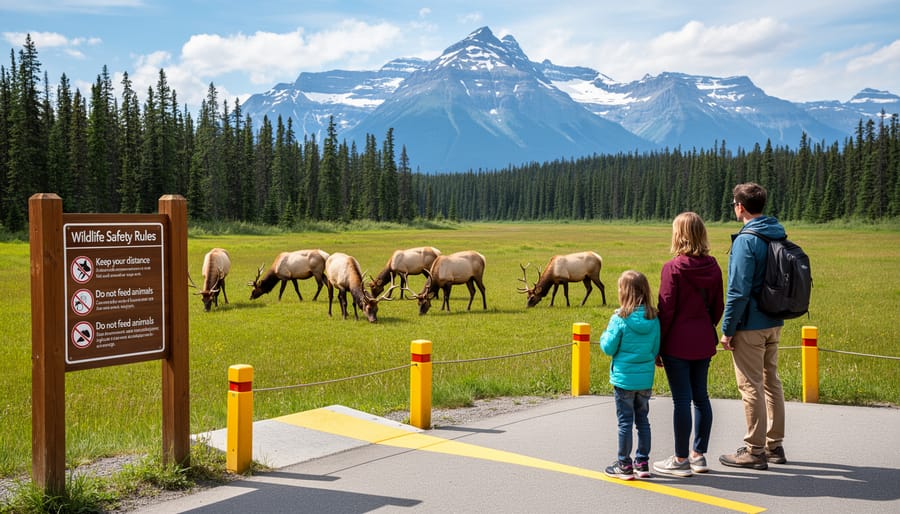
I’ll never forget standing at a pullout near Lake Minnewanka in Banff when a black bear wandered into view. Within seconds, a cluster of tourists rushed toward it with their phones out, getting within maybe 20 meters before a park warden shouted them back. One guy actually looked annoyed, like the bear was a zoo exhibit he’d paid to photograph.
Here’s the thing: Canadian wildlife isn’t tame, and those distance rules exist because animals are unpredictable and incredibly dangerous. Parks Canada mandates staying at least 100 meters (roughly three bus lengths) from bears and wolves, and 30 meters from elk, moose, and other large animals. A moose can trample you in seconds if it feels threatened. A bear protecting cubs won’t hesitate.
I’ve seen elk charge tourists in Jasper and watched a mother moose become aggressive when someone tried to photograph her calf. The selfie isn’t worth it. Invest in a zoom lens or binoculars, and if wildlife approaches you, back away slowly and create distance. Never run, never turn your back on a bear, and carry bear spray in active wildlife areas.
Respecting these boundaries keeps you safe and protects the animals from being habituated to humans, which often leads to them being relocated or euthanized. Watch from afar, stay alert, and let Canada’s incredible wildlife remain wild.
11. Assuming Public Transit Exists Everywhere
Canada’s major cities, Toronto, Vancouver, Montreal, have solid public transit systems. Step outside those urban bubbles, though, and you’ll quickly discover that buses, trains, and subways vanish. I once met a couple at a Vancouver hostel who’d planned a “spontaneous” trip to Tofino on the west coast of Vancouver Island. They assumed they’d hop on a bus. There is no bus. They ended up paying $300 for a last-minute shuttle because they hadn’t rented a car.
Places like Gros Morne in Newfoundland, Churchill for polar bears in Manitoba, the Okanagan wine country, and pretty much anywhere in the Yukon require either your own vehicle or a prearranged tour. Even smaller gems like Drumheller’s badlands or Prince Edward County wineries are tough to reach without wheels.
If you’re flying and dealing with flight delay compensation or unexpected Toronto flight delays having a rental car booked gives you flexibility to adjust your plans. Book your rental early, compare rates, and remember that unlimited mileage is your friend in a country this size. If driving isn’t an option, research shuttle services or group tours well before you arrive.
12. Missing Out on Local Festivals and Events Because of Poor Planning
I still kick myself for showing up in Quebec City the week after the Winter Carnival ended. We’d spent months planning our February trip, booking flights and hotels, but somehow never checked the festival dates. Walking past the empty ice palace site and closed-up pavilions felt like showing up to a party after everyone left.
Canada’s festivals aren’t just add-ons to your trip, they’re often the heart of the experience. The Calgary Stampede in July, Montreal’s Jazz Festival, Niagara’s Icewine Festival, Ottawa’s Winterlude. These events book up months ahead, and many require tickets purchased well in advance. I learned this the hard way when spontaneous attempts to catch festivals meant either paying triple through resellers or watching from the sidelines.
Even seasonal experiences like fall foliage tours in the Laurentians or whale watching in Tadoussac have peak windows that fill fast. My insider tip: before locking in your travel dates, scan tourism sites and local event calendars for each destination. Build your itinerary around these experiences rather than hoping they’ll magically align with your plans.
Small-town festivals like the Tulip Festival in Ottawa or seafood celebrations in the Maritimes offer authentic local culture you won’t find in guidebooks, but only if you time it right. Check dates, book tickets early, and give yourself buffer days around big events when accommodation rates spike.
Your Mistake-Free Canadian Adventure Awaits
Here’s the thing about travel mistakes: they make the best stories later. I’ve made every single one of these blunders at some point, and I’m still here, still exploring Canada, still learning. The difference now? I plan a little smarter, pack a little better, and give myself breathing room to actually enjoy the journey instead of scrambling to fix avoidable problems.
These 12 mistakes aren’t about being perfect. They’re about setting yourself up for a smoother, richer Canadian adventure. Check the weather for every region you’re visiting. Book those campgrounds when reservations open. Carry some cash. Respect the wildlife. Simple stuff that saves you hours of stress and lets you focus on the jaw-dropping scenery, the friendly locals, and those unexpected moments that make travel magical.
What’s the one mistake you’d never make again?
Underestimating distances, hands down. Canada is massive, and rushing between destinations means missing the best parts of the journey.
Do I really need winter gear in summer?
In the mountains and northern regions, absolutely. Pack layers even in July because temperatures can drop fast, especially at higher elevations.
How far in advance should I book a Canadian road trip?
For summer travel to popular parks, book accommodations and passes 3-4 months ahead. Off-season gives you more flexibility.
Canada rewards travelers who come prepared. So grab that travel insurance, double-check your eTA, map out realistic drive times, and build in time to wander. You’re going to have an incredible trip. And hey, if you’ve made any of these mistakes yourself or learned other lessons the hard way, drop a comment below. I’d love to hear your stories and answer any questions about planning your Canadian adventure.