
If you’re searching for Québec provincial parks while sketching out a British Columbia road trip, here’s the quick answer: Québec’s parks are run by Sépaq and known as “parcs nationaux,” while BC’s are called provincial parks, and they’re two completely different systems on opposite sides of the country. Good news, though. You don’t have to pick a side. This guide covers both, so you can plan one trip or dream up two.
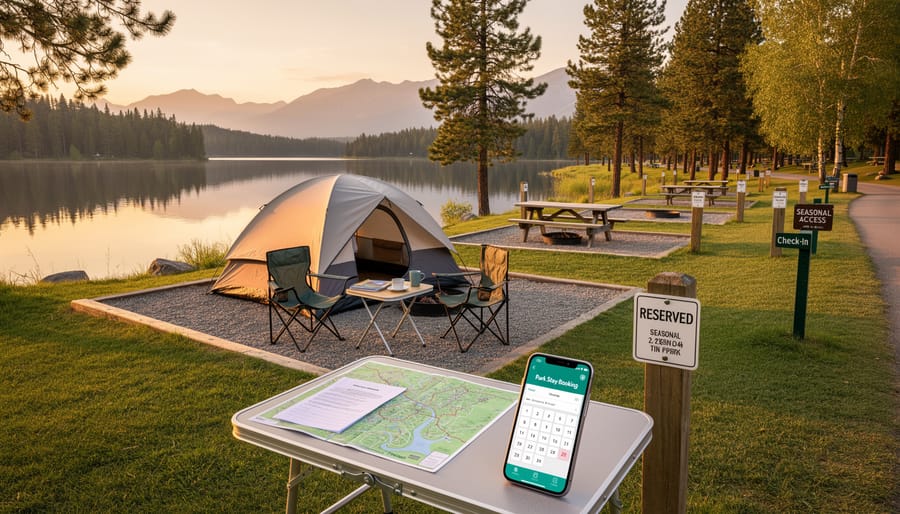
Whichever coast you land on, booking is where the planning really starts. Parks Canada’s reservation system opens in March, with bookings available on a rolling 90-day window. New dates are released every morning at 9:00, so I like setting an alarm and having my dates ready before I log in. Coveted campsites go fast, and I’ve learned that the hard way.
A few things to keep in mind as you read. Some campgrounds, like Havre à Landry and Anse des Noyés, are closed until further notice for visitor safety. Certain designated activities need a personal use permit. And seasonal access matters, with one start date landing on May 1.
Ready to find your spot? Let’s dig into the parks worth putting on your list.
Québec Parks vs. BC Provincial Parks: Why Visit and What’s the Difference?
Here’s the thing that trips up a lot of travellers: “provincial parks” means something different depending on where you’re standing. In Québec, the big protected areas are called national parks (parcs nationaux), and they’re run by Sépaq, a provincial agency. Out in British Columbia, provincial parks are managed by BC Parks, and they sit alongside separate federal sites run by Parks Canada. Same country, same word in some cases, very different systems.
The feel is different too. Québec’s parks lean into a four-season, lake-and-forest vibe with a strong French-Canadian flavour, the kind of place where you might paddle in the morning and hear French on the trail all afternoon. BC leans bigger and more dramatic: coastal rainforest, alpine peaks, and ferry rides that turn getting there into part of the adventure.
I’ll be honest, I’ve known plenty of people who start out curious about Québec’s parks and end up completely smitten with BC once they look at a map. That’s not a knock on Québec at all. Both are gorgeous, and both deserve their own trip.
But geography matters here. Québec’s parks are thousands of kilometres from BC, so they simply aren’t a stop on a west coast itinerary. You’d be looking at a separate eastern Canada trip, ideally planned on its own timeline and budget.
The good news is that the planning habits you’d use for either place carry over nicely, and we’ll get into those next.
Top Park Picks to Know About: Québec Highlights and BC Road Trip Alternatives
1. Parc national de la Gaspésie (Québec)
Parc national de la Gaspésie is one of those Québec parks that keeps showing up on “must see” lists, and it’s easy to see why. Think rugged mountain scenery, big open views, and a reputation for wildlife-watching that has nature lovers packing binoculars before they’ve even booked a bed.
Here’s the quick bit of clarity: this park is run by Sépaq, Québec’s park agency, and within Québec it’s called a “national park.” So it’s a Québec trip all the way, not something you’d slot into a British Columbia itinerary. It sits thousands of kilometres from the west coast.
I’m including it because it’s probably what sparked your search, and it’s a great one to dream about. Families and young adults who love a good hike with a payoff view will feel right at home here. Just check Sépaq’s official page for current access details before you go.
2. Parc national du Mont-Tremblant (Québec)
Next up is Parc national du Mont-Tremblant, one of those places that comes up again and again when people talk about Québec outdoors. It’s the kind of park that works for pretty much everyone: lakes for paddling, trails for hiking, and activities that carry on through every season, so it’s not just a summer-only stop. Think canoeing on calm water in warmer months, then bundling up for snowy adventures when winter rolls around.
For families and young adults planning an eastern Canada trip, it’s an easy fit. You can keep things relaxed with a lakeside picnic, or lace up your boots for something more active. It’s also a good reminder that Québec’s parks run through Sépaq, so booking and access details are handled separately from anything out west. Before you go, check the official Sépaq page for current trail info, seasonal access, and any closures, since conditions can shift from one season to the next. It’s a great way to get a taste of Québec’s outdoors without overcomplicating your plans.
3. Garibaldi Provincial Park (British Columbia)
Garibaldi Provincial Park is one of those places that makes you glad you rented a car. It sits right along the Sea-to-Sky corridor, the scenic stretch of highway running north from Vancouver toward Whistler, so you can slot it into a British Columbia road trip without a ferry or a long detour. Think rugged mountain peaks, alpine meadows, and glacier-fed lakes that look almost unreal against the sky.
It’s a great fit if you want big mountain scenery but still want your trip to feel doable. Families and young adults can pick a hike that matches their energy, from shorter outings to full-day climbs, and the whole area works well as a day trip or as one stop on a longer route.
One friendly tip from my own planning habits: trail conditions, access, and any closures can change with the season, so check the BC Parks website before you head out. It’s the best place for current trail and access details, and a quick look can save you from a disappointing drive. Pack layers, because mountain weather loves to surprise you, and bring plenty of snacks for the viewpoint picnic.
4. Strathcona Provincial Park (Vancouver Island, British Columbia)
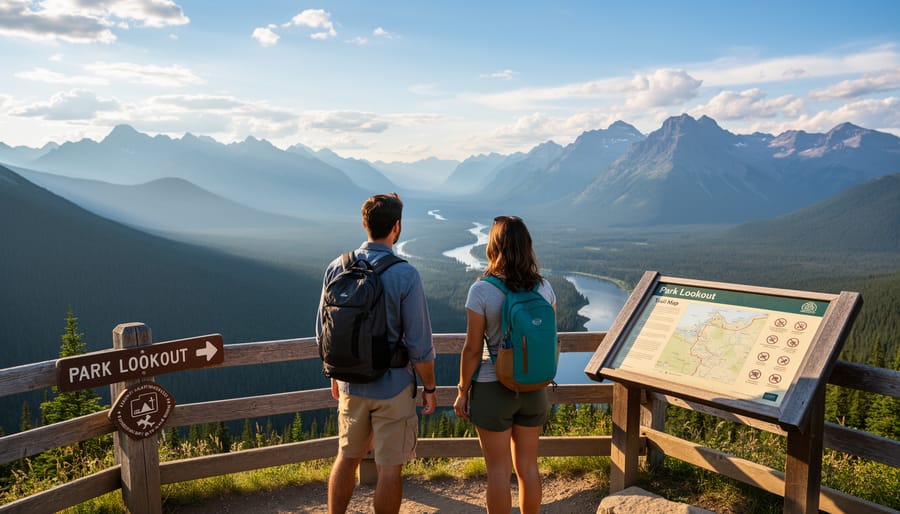
Strathcona Provincial Park is the one that makes a Vancouver Island add-on feel like a real adventure. It’s the oldest provincial park in British Columbia, and the trip there is half the fun: you catch a ferry across the water, then settle into a scenic drive up island. I love that rhythm. The ferry ride resets your brain, and by the time you’re winding along the road, you’re already in holiday mode.
What I really like about Strathcona is the variety. Think rugged mountains, forested valleys, alpine lakes and waterfalls, all within one park. That mix means families and young adults can both find their pace, whether you want a gentle stroll or a longer, more ambitious hike.
Since it’s a BC Parks site, treat it like any good road trip stop and check the official BC Parks page before you go for current trail conditions, closures and access details. Pair it with a few other Vancouver Island stops, and you’ve got a west coast loop that feels both easy and unforgettable.
Practical Info: Reservations, Permits, and Seasonal Access
Here’s where a little planning pays off. Whether you’re eyeing a Québec park or a spot out west, the booking rhythm works the same way, and the details below come straight from what’s been announced. Parks Canada’s own reservation system update confirms that bookings for frontcountry camping and other activities open in March for 2026.
Here’s the quick version:
- Reservations for camping and other activities open in March for 2026.
- Bookings run on a rolling 90-day window before your arrival date.
- New dates are released every morning at 9:00.
- Certain designated activities require a personal use permit.
- One listed seasonal access start date is May 1, 2026.
- Havre à Landry (Île à la Chasse) and Anse des Noyés (Île du Havre) campgrounds are closed until further notice.
That rolling window is the part that trips people up. You can’t just grab a site months out and forget about it. Instead, each morning a fresh day opens up 90 days ahead, so if you’ve got your eye on a specific weekend, you’ll want to be ready right at 9:00. I’d recommend creating your account and saving your details beforehand so you’re not fumbling with forms while the good sites disappear. If you’re new to the process, this walkthrough on how to book Parks Canada campsites breaks it down step by step.
Permits are the other thing worth double-checking. Some designated activities need a personal use permit, so read the activity details before you assume a reservation covers everything. And because seasonal access can begin on set dates (May 1, 2026 is one that’s listed), a park that looks open on a map might not be ready for visitors yet.
Closures matter too. The Havre à Landry and Anse des Noyés campgrounds are shut until further notice for visitor safety, so skip them when you’re sketching out a backup list. For broader peace of mind on the road, it’s smart to read up on how to stay safe traveling before you head out.
One last reminder: always confirm details on the official park pages before you go, since conditions can change. The same booking-window mindset carries over to BC Parks and Parks Canada stays out west, so the habits you build here will serve every trip you plan.
Local Tips for Planning Your Road Trip
Here’s something I wish someone had told me before my first big Canadian camping plan: the good sites disappear fast. I learned that the hard way, scrolling a booking page on a Friday afternoon and watching every date I wanted vanish. Now I plan like a pro, and you can too.
Since reservations run on a rolling 90-day window, with new dates released each morning at 9:00, set a calendar reminder for that exact time. Have your account logged in and your dates picked out before the clock hits.
Next, check for closures before you leave home. Some campgrounds are closed until further notice for visitor safety, so a quick look at the official park page can save you a very awkward arrival. If you’re picking up passes or souvenirs before you go, the Parks Canada Store is a handy place to start.
Pack in layers, because mountain and coastal weather can flip from sunny to drizzly in an afternoon. A rain shell and warm socks earn their space in the trunk.
To keep costs friendly, think shoulder-season timing and mix a few camping nights with cheaper stays. Before you lock anything in, skim these travel mistakes to avoid so your trip stays smooth and stress-free.
Quick Answers to Common Questions
Are Québec provincial parks in British Columbia?
No. Québec’s parks are run by Sépaq, while BC’s provincial parks fall under BC Parks, so they’re completely separate systems.
How far ahead can I book Parks Canada camping?
Reservations run on a rolling 90-day window, with new dates released each morning at 9:00.
Do I need a permit for certain activities?
Yes, some designated activities require a personal use permit, so check the official page before you go.
Can I combine Québec and BC in one trip?
You can, but they’re thousands of kilometres apart, so it works best as two separate trips or a flight-based adventure.
Not sure which answer applies to your plans? When in doubt, check the official park pages first.
So, here’s the big takeaway: Québec’s parks and BC’s provincial parks are two separate systems, and your British Columbia road trip belongs with BC Parks and Parks Canada sites. Book early, since reservations run on a rolling 90-day window, and check the official pages for closures and access before you roll out. Now go explore Canada!