
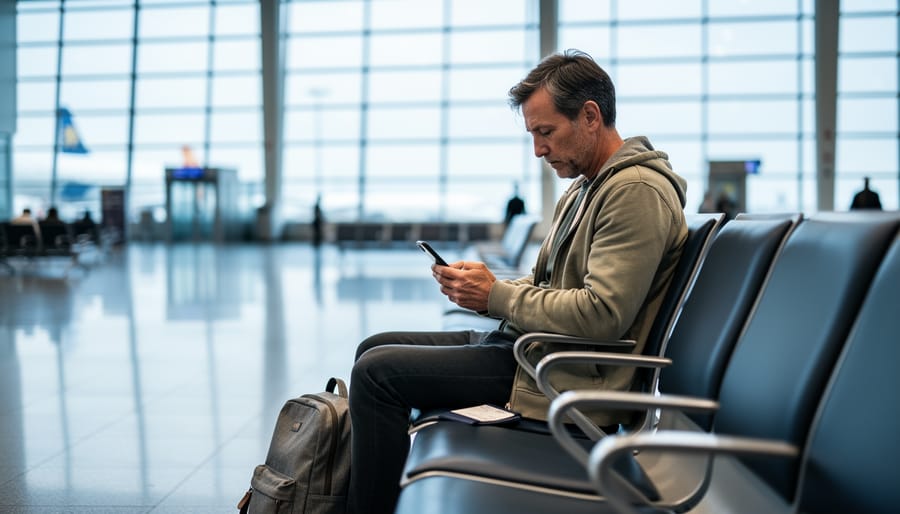
An FAA ground stop is a temporary order that holds flights on the ground, and when it’s nationwide, every U.S. airport feels it. The most recent one followed reports of an air traffic control outage and touched major hubs like ORD, SFO, LGA and ATL. American Airlines posted a travel advisory, then said some flights from certain airports were starting to get clearance to depart while the stop stayed in place. The FAA ground stop ended on November 13, 2026.
So what do you do if it catches you mid-trip, especially on a cross-border run to Canada? Start with the basics: check your airline app and the FAA status page before you do anything else, then rebook quickly, because the line at the counter only gets longer. Ask about nearby airports and partner airlines. Know when a refund beats a new ticket. Tidy up your rental car, hotel and pickup plans. Pack snacks and a charger for the wait. And plan for the recovery period, since delays can linger even after the stop lifts.
I’ve sat on a terminal floor with a dying phone and a hungry kid, and the calm travellers always seemed to have a plan. This guide gives you one, in order, so you can stop spiralling and start rebooking.
What a Faa Ground Stop Actually Is (and Why It Hits Canadian Travellers Too)
A ground stop is exactly what it sounds like: the FAA holds flights on the ground and pauses departures to a given airport, or, in a big case, across the whole country. Planes aren’t going anywhere until air traffic control says they can. You can watch it unfold live on the FAA’s NAS dashboard, short for the National Airspace System dashboard, which shows the current status of airports and delays.
Here’s the quick rundown of the nationwide stop that made headlines:
- The FAA issued a nationwide ground stop amid reports of an air traffic control outage.
- It affected all U.S. airports.
- Reported major hubs included ORD, SFO, LGA and ATL.
- American Airlines published a travel advisory and said the stop remained in place while some flights from certain airports began receiving clearance to depart.
- The stop ended on November 13, 2026.
So why should a Canadian traveller care? Because so many of our trips run through U.S. airports. If you’re connecting through Chicago or Atlanta on the way home, flying cross-border from a U.S. gateway, or booked on an Air Canada partner itinerary, a pause on the American side can knock your whole journey out of sync. One held departure can mean a missed connection, a rebooked leg, or a bag that ends up in a different city than you do.
The good news is that you’re not powerless. Knowing what a ground stop is, and where to check its status, gives you a head start on the steps in the checklist below.
How I Picked These Seven Moves
I built this list around what travellers are most often told to do when flights get held on the ground: check the airline app, rebook early, ask about nearby airports and partner airlines, and request a refund if your flight is cancelled. Those moves come up again and again for a reason. They’re the ones that actually shift your situation from “stuck” to “sorted.”
Then I sorted everything by what matters most when you’re heading to or from Canada: your rebooking options, whether you’re likely eligible for a refund, how a delay differs from a cancellation, and how long an airport needs to recover afterward. I’ve sat in enough crowded terminals to know that the fancy tricks matter less than getting the basics right, in the right order, before the line grows.
1. Check Your Airline App and the FAA Status Page First
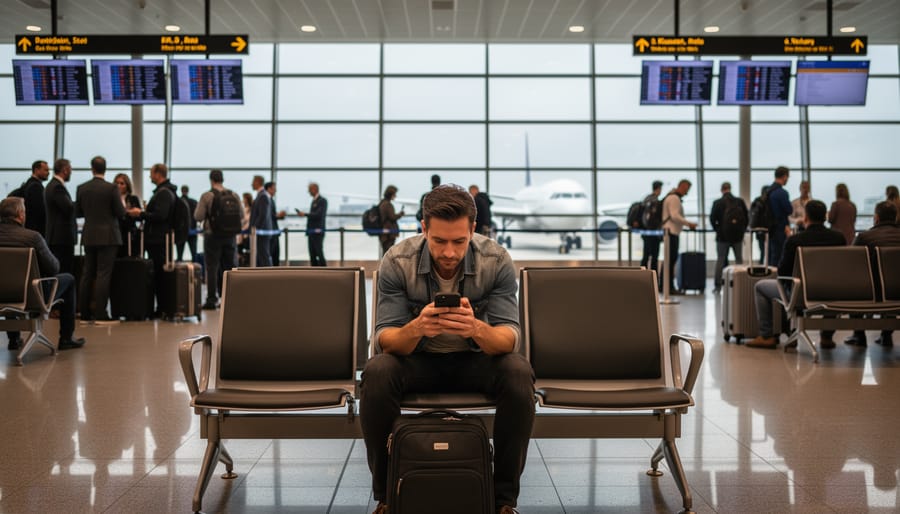
Before you even think about joining the queue at the desk, pull out your phone. Open your airline’s app (American Airlines, Air Canada, or whoever you booked with) and pull up the FAA’s NAS dashboard, which is the National Airspace System dashboard. Between the two, you can usually tell within a minute whether your flight is delayed, held on the ground, or cancelled outright.
Here’s why this beats standing in line: apps often show rebooking options before an agent can get to you. The system pushes alternatives to your phone automatically, while the person at the counter is juggling a crowd of frustrated travellers. If a new departure appears, you can grab it while everyone around you is still waiting their turn.
Insider tip: do the prep work before you leave home. Turn on push notifications for your airline’s app so updates reach you the second they land, and keep your confirmation number somewhere easy to find, like a screenshot or a note on your phone. When a ground stop hits, nobody wants to be digging through old emails with 5% battery and a toddler tugging on their sleeve.
2. Rebook Quickly, Before the Line Gets Long
The moment you realize your flight is held, resist the urge to join the growing line at the gate. Pull out your phone instead. While everyone else is shuffling forward with their boarding passes, you can often rebook in the airline app in a couple of minutes.
Look for the next available departure first, then check what it does to your trip once you land. If you’re heading north, protect your onward Canadian connection above all else. A seat that gets you out tonight isn’t much help if it strands you in the wrong city with no way to reach your final stop. If you need a refresher on the basics, these Canada travel tips are handy to have on your phone while you sort it out.
Here’s my insider tip: use the app and the phone at the same time. Start the rebooking in the app, and call the airline while you wait on hold. Be polite but persistent, because a friendly agent will go the extra mile.
Keep in mind that clearance for flights often resumes gradually, as American Airlines noted during the nationwide stop. That means options can shift quickly, so check back often.
3. Ask About Nearby Airports and Partner Airlines
When the main hub is jammed, the smartest question isn’t always “when does my flight leave?” It’s “what else could get me there?” Once you’ve got an agent or the app open, try asking a few of these:
– Nearby airports: Could you fly out of a different airport within reasonable driving distance? A quieter regional airport can sometimes offer options when the big hub is snarled.
– Partner airlines: Ask whether a partner carrier could take you, since airlines sometimes work together to move stranded passengers.
– A different hub: Routing through another connection point might get you moving sooner, even if it’s a longer way around.
For us northern travellers, there’s a Canadian twist. If you’re near the border, a different border-region airport might be worth a look, or you could drive one leg of the trip yourself and pick up a flight from there. Treat these as ideas to ask about, not promises, because what’s actually possible depends on your airline, your ticket and what’s still flying.
One insider tip from many a long terminal wait: ask politely and offer a couple of options of your own. Agents juggle a lot of stranded passengers, and a specific suggestion is easier to say yes to.
4. Know When to Ask for a Refund Instead
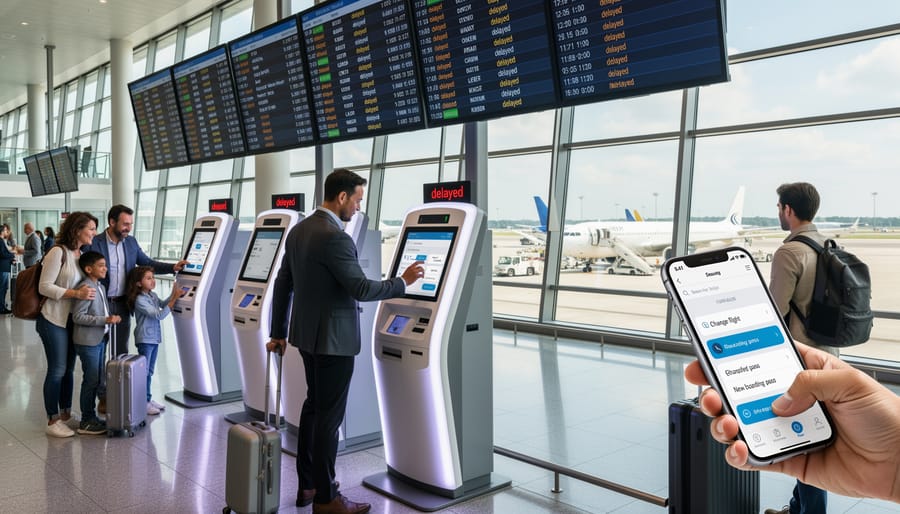
Here’s the thing about a ground stop: a delay and a cancellation sound similar when you’re stuck at the gate, but they’re treated very differently. A delay means your flight is still operating, just later. A cancellation means it isn’t flying at all, and that’s usually where refund conversations begin.
If you’ve been rebooked onto something that doesn’t work, say a connection that would strand you away from your Canadian pickup, or a day that blows up your hotel plans, don’t just accept it. Ask politely whether a refund is an option instead. I’ve found that asking calmly and clearly, rather than arguing, gets the best results at the counter or on the phone.
Since American Airlines, for example, published its own travel advisory for the nationwide ground stop, that’s the first place to look for how they’re handling changes. Your airline’s advisory will spell out its current policy far better than any general rule of thumb can. Fare type matters too, so check what your specific ticket allows before you accept a rebooking you don’t actually want.
5. Sort Out Your Cross-Border Loose Ends: Rental Cars, Hotels and Pickups
Once your flight is sorted, deal with everything waiting on the ground. Message whoever’s picking you up right away, since a pickup driver idling at arrivals is no fun for anybody. Then call your hotel and rental car counter. Many will hold a reservation or shift your dates if you tell them early, and some offer flexible cancellation, so ask before you assume you’re out the money.
Here’s a tip from my own stranded-traveller playbook: snap a photo of every receipt for meals, snacks, a spare phone charger, or an extra night’s stay. If you later need to make a claim, those receipts are gold. It’s worth skimming what happens with Air Canada delays to get a sense of what airlines generally expect you to document, and the same habits apply to a U.S. ground stop. For a broader look at your flight rights, that’s worth a read too.
Finally, check any onward Canadian road-trip plans, like cabins, ferries, or tour bookings, and nudge them back a day if you need to.
6. Make the Wait Comfortable: Snacks, Chargers and a Calm Plan
Long waits are easier when you’ve packed for them. After a ground stop, you may be camped out near a gate for hours, so a little comfort planning goes a long way. Here’s what I toss in my carry-on:
- A portable charger and a short cable, because outlets vanish fast
- An empty water bottle to fill once you’re past security
- Snacks you actually like, like a bag of your favourite road-trip crunchies
- A toque and a cozy sweater, since terminals can run chilly
- Cards, colouring books or downloaded shows for the kids
- Paper or screenshot copies of your confirmations
Then make a loose game plan: pick a home base near an outlet, take turns watching the bags, and set a time to recheck your airline app. A short walk or a snack break resets everyone’s mood. If your trip continues on to a Canadian road adventure, it’s also smart to check the weather ahead so you know what to pack and how soon to move on.
7. Plan for the Recovery Period: Delays Can Linger After the Stop Ends
Here’s something I wish someone had told me early on: the all-clear isn’t the finish line. Once a Faa Ground Stop lifts, airports and airlines still have to sort out displaced planes, rotated crews and a backlog of passengers who all want the same seats. So even when departures resume, expect lingering delays and busy flights for a while after.
That matters a lot if you’re heading north. A tight same-day connection into Canada can fall apart even after the stop ends, so skip those where you can. Build a buffer day into any onward plans, whether that’s a road trip, a ferry or a hotel booking, and you’ll breathe a lot easier.
My go-to move is a quick app check over coffee on travel day, before I head to the airport. Things can shift overnight, and a two-minute look beats a long wait at the gate.
Faa Ground Stop Questions Northern Travellers Ask Most
What is a ground stop?
A ground stop is when the FAA holds flights on the ground and pauses departures. It can be nationwide, like the one issued amid reports of an air traffic control outage that affected all U.S. airports.
Does a ground stop affect flights between Canada and the U.S.?
It can, especially if your trip connects through a U.S. airport or your itinerary includes a partner airline. Delays at U.S. hubs like ORD, SFO, LGA and ATL can throw onward Canadian connections out of sync.
Will I get a refund if my flight is cancelled?
Rules vary by airline and ticket, so check your carrier’s travel advisory first. If your flight is cancelled and the new options don’t work for you, ask about a refund.
How do I check if a ground stop is in effect?
Start with your airline app and the FAA’s NAS dashboard, which is the National Airspace System dashboard. Airlines like American Airlines have also posted travel advisories during past stops.
My rule of thumb: check the app before you head to the terminal, and only go if your flight is still showing as on. If you’re already at the airport, stay put and keep your phone charged, because clearances can come through gradually.
A ground stop feels huge when you’re standing in it, but it’s really just a pause. Stay calm, check your airline app first, rebook before the line grows, widen your options with nearby airports and partner carriers, and know your refund rights if your flight is cancelled. Do those few things and you’ll be miles ahead of the crowd.
Delays are part of travelling, and they make for good stories later. Pack your patience, keep a little buffer in your plans, and remember that the snow-dusted mountains, quiet lakes and friendly small towns are still waiting for you. Keep dreaming about your next Canadian adventure, eh. The journey there is worth every bit of the wait.