
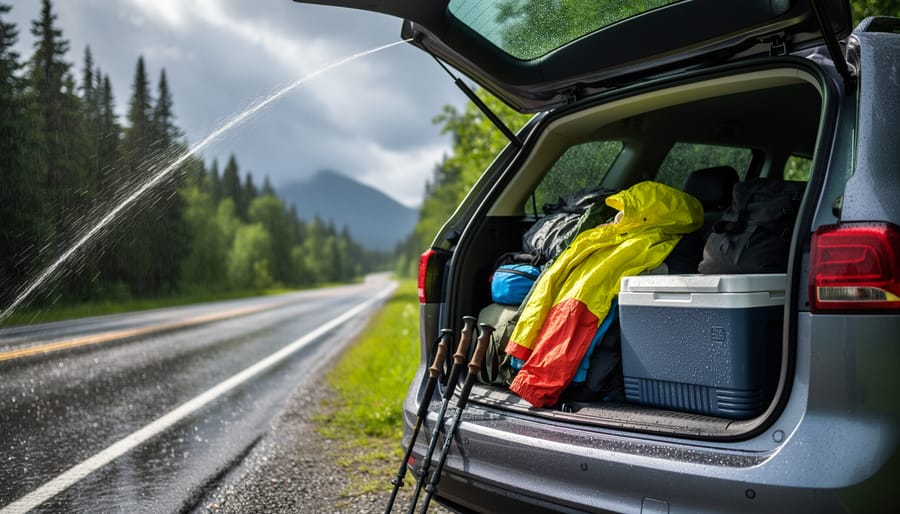
Planning a trip across Canada tomorrow? The fastest way to check tomorrow’s weather is through Environment and Climate Change Canada’s official forecasts, which offer city-specific predictions updated multiple times daily with detailed conditions, precipitation chances, and UV warnings tailored to Canadian climates.
I learned this the hard way during a camping trip to Quebec back in 2019. I’d checked a generic weather app that promised “partly cloudy, 22 degrees.” Seemed perfect. What it didn’t mention was the 60% chance of afternoon thunderstorms that absolutely drenched our campsite by 3 PM. Since then, I never plan a travel day without checking the official Canadian forecast first, the kind that tells me not just the temperature but the humidex rating (because 24 degrees feeling like 28 changes what you pack), the UV index (critical for those long summer hikes), and whether that “mix of sun and cloud” comes with a 30% chance of showers.
For travelers, tomorrow’s weather isn’t just small talk. It determines whether you’re hiking the Rockies or exploring indoor markets, if your kayak tour runs or gets cancelled, whether the kids need rain jackets or sunscreen. Canadian weather swings wildly between regions and seasons, and a forecast that works in Vancouver fails miserably in Winnipeg. The difference between knowing tomorrow brings sun or a surprise squall can save your itinerary, your budget, and honestly, your entire trip mood. Let me show you how to read Canadian forecasts like a local and turn tomorrow’s weather report into smart travel decisions today.
The Reality of Canadian Weather (And Why Tomorrow Matters)
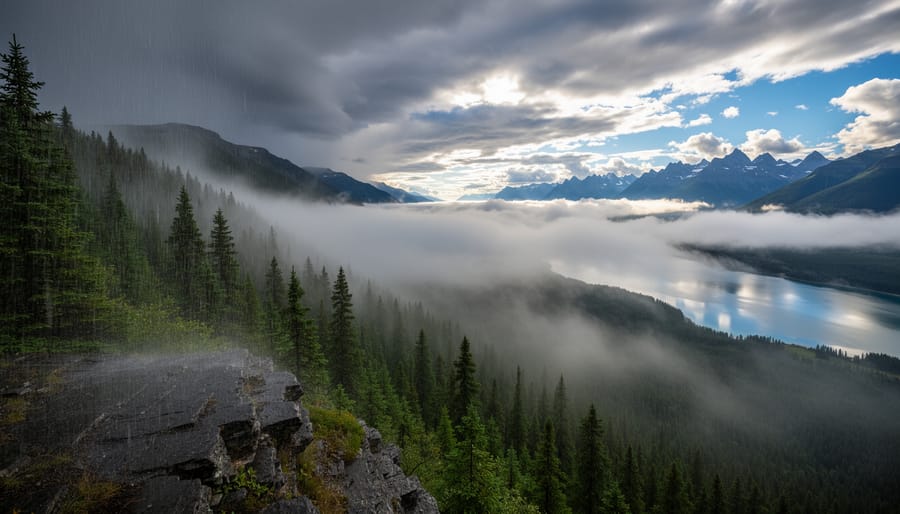
I learned this lesson the hard way during a spring road trip from Toronto to Montreal. We left on a gorgeous sunny morning in Ontario, 22 degrees, not a cloud in sight. I’d checked the weather for “today” but completely skipped looking at tomorrow’s forecast. By the time we crossed into Quebec the next afternoon, we were driving through an ice storm. Same country, less than 500 kilometers away, and the temperature had dropped 15 degrees while freezing rain coated the highways.
That’s Canadian weather in a nutshell. Our country spans six time zones and multiple climate zones, from temperate rainforests in BC to Arctic tundra in Nunavut. What makes checking tomorrow’s weather so critical here isn’t just the regional differences, it’s how quickly conditions can flip. A warm front can sweep across the Prairies overnight, turning a clear Edmonton morning into a rainy afternoon. Coastal BC might promise sunshine today but deliver thick fog rolling in from the Pacific by tomorrow morning.
I’ve experienced August snow in the Rockies, watched September sunshine turn to October snowstorms in the Maritimes within 18 hours, and seen prairie thunderstorms materialize out of nowhere on perfectly calm afternoons. During a recent camping trip near Jasper, we woke to frost on our tent in July, something tomorrow’s forecast would have warned us about if we’d bothered to check it.
The reality is that “weather tomorrow” in Canada isn’t just different from today, it can be completely opposite.
Where I Check Weather Tomorrow (The Resources That Actually Work)
Reading a 7-Day Forecast Like a Pro

I learned this lesson the hard way in Québec City when I glanced at a forecast that said “mix of sun and cloud” and assumed I’d be fine in shorts and a tank top. By noon, I was shivering in an unexpected downpour, hiding under a café awning while my phone battery died. Now I actually read forecasts properly.
When you pull up a Canadian forecast, let’s say Québec’s 7-day outlook, you’ll see phrases like “sunny early this afternoon then a mix of sun and cloud with 30 percent chance of showers.” That’s not vague weather-speak. It’s telling you exactly when conditions change. “Sunny early” means mornings are clear for that Mont Tremblant hike, but “mix of sun and cloud” warns you’ll need layers by afternoon. The “30 percent chance” means rain’s possible but not guaranteed, pack a light rain jacket, but don’t cancel outdoor plans.
The numbers matter more than you’d think. “High 24” seems warm until you see “Humidex and UV index“, humidex 28 means it’ll feel four degrees hotter with humidity, so you’ll want water and breathable fabrics. UV index 6 signals “high” sun exposure, which means sunscreen isn’t optional, especially at higher elevations or near water.
I now screenshot forecasts and check them twice, once when planning my day, again before heading out. Those specific details transform “checking weather” from a quick glance into actual trip intelligence.
How Tomorrow’s Weather Shapes Your Travel Plans
I’ll never forget the morning I checked tomorrow’s forecast in Banff and saw “60% chance of rain” for our planned hiking day. Instead of stubbornly sticking to our original trail, we reworked everything, and ended up having an even better adventure exploring the town’s galleries and hot springs. That one weather check saved our entire day.
Tomorrow’s forecast isn’t just information; it’s your planning tool. When you know what’s coming, you can shift activities to match conditions rather than fighting against them. This doesn’t mean canceling plans, it means adapting them smartly.
| Tomorrow’s Forecast | Activity Adjustment | What I Actually Do |
|---|---|---|
| Rain or showers | Indoor attractions, museums, covered markets | Move outdoor activities to earlier in the week; book museum tickets ahead |
| High UV index (6+) | Early morning or late afternoon outdoor time | Schedule hikes before 11 AM; plan shaded city walks; pack extra sunscreen |
| Extreme cold (-20°C or colder) | Short outdoor bursts, heated indoor stops | Plan route with frequent warm-up spots; reduce driving distances |
| Perfect conditions | Prioritize your must-do outdoor activities | Tackle the biggest hike or scenic drive; maximize daylight hours |
For road trips, tomorrow’s weather determines my driving strategy. Snow or freezing rain means I leave earlier to avoid peak accumulation, choose major highways over scenic backroads, and build in extra time. Clear skies? That’s when I take the coastal route or venture onto those breathtaking mountain passes.
City exploration adapts beautifully to forecasts. Seeing rain tomorrow in Toronto means I book that CN Tower visit or plan my Distillery District day, covered walkways make it perfect rain territory. Hot, sunny weather coming? I schedule outdoor markets and waterfront strolls for early morning, then retreat to air-conditioned museums during peak heat.
Outdoor attractions require the most flexibility. When I visited Niagara Falls and saw tomorrow’s forecast showing strong winds, I moved my Hornblower boat tour to the calmer morning and saved afternoon for behind-the-falls tunnels. The forecast gave me that edge.
These Canada travel tips about weather planning become second nature once you start applying them. Check the humidex value, anything above 30 means scheduling indoor activities during midday. Notice a 30% precipitation chance? That’s low enough to proceed with outdoor plans while keeping a backup option ready.
The secret is viewing tomorrow’s forecast as opportunity, not obstacle. Every weather pattern opens different doors to experiencing Canada. Foggy coast? Perfect for moody photography and cozy café mornings. Unexpected sunshine after days of clouds? Drop everything and grab that scenic viewpoint you’ve been eyeing.
Packing Smart Based on What’s Coming
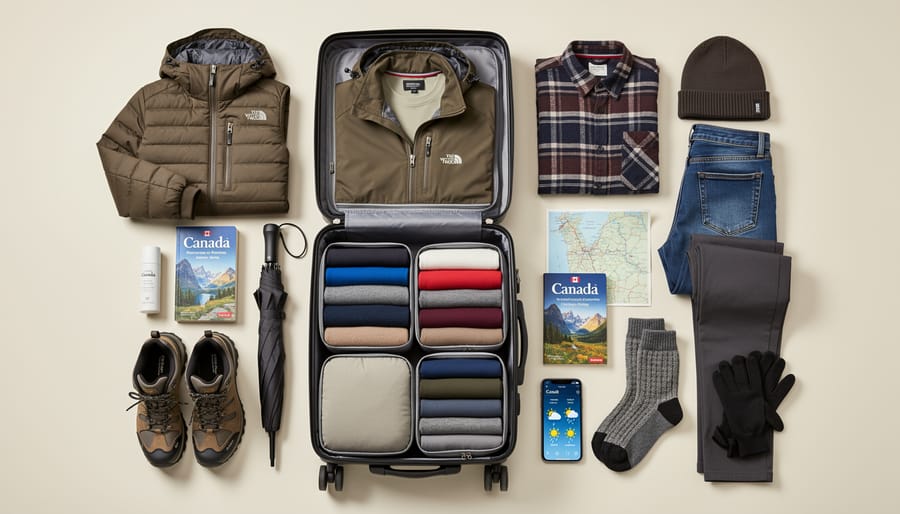
I learned this lesson the hard way on a July trip to the Rockies. I’d packed my backpack based on Vancouver’s sunny forecast, then drove straight into a thunderstorm near Lake Louise. No rain jacket, no extra layers, just me, soaked to the bone, buying overpriced gear at the first shop I found.
Now I check tomorrow’s weather before I pack anything, and it’s changed how I travel across Canada. When I see “30 percent chance of showers” in the forecast, that rain shell goes in my daypack, even if it’s 24 degrees and sunny when I leave. Humidex values above 30 mean I’m prioritizing breathable fabrics and extra water bottles. UV index at 6 or higher? Sunscreen and a hat become non-negotiables, not afterthoughts.
The trick is layering for Canada’s temperature swings. I pack a lightweight base layer regardless of season, because mornings in the mountains can be 10 degrees cooler than afternoons. A packable down jacket weighs almost nothing but saves you when that “mix of sun and cloud” turns cloudy and drops the temperature. For detailed strategies on what works across different Canadian regions and seasons, check out my complete guide on gear and packing.
I keep a small stuff sack in my luggage just for weather contingencies, compact rain pants, an extra pair of dry socks, and a buff that works as sun protection or warmth. These items take up minimal space but handle whatever tomorrow throws at you.
When Weather Tomorrow Means Changing Your Route
I’ll never forget the morning I ignored a weather alert for the Sea-to-Sky Highway between Vancouver and Whistler. The forecast showed clear skies for today, but tomorrow’s outlook warned of heavy rainfall and potential rockslides. I shrugged it off, thinking I’d be through before the weather turned. Three hours later, I was stuck in a highway closure with dozens of other travelers, our BC road trips suddenly on hold. That experience taught me that sometimes the smartest travel decision is the one that changes your plans.
Environment and Climate Change Canada issues weather alerts for good reason, and when you see them in tomorrow’s forecast, it’s time to seriously consider alternatives. I now check not just the forecast but specifically look for alerts and warnings that could affect my route. A weather alert isn’t a suggestion, it’s a heads-up from meteorologists who’ve identified genuine hazards.
Here are the red flags that should make you rethink your route or timing:
- Severe weather warnings or watches (thunderstorms, heavy snow, freezing rain)
- Highway or travel advisories specific to your planned route
- Visibility warnings (fog, blowing snow, or smoke from wildfires)
- Extreme temperature alerts that could affect vehicle performance
- High wind warnings, especially if you’re driving a high-profile vehicle or RV
For road trips, I’ve learned to build in buffer days whenever possible. If tomorrow’s forecast shows questionable conditions along my route, I’ll either leave a day early to beat the weather or delay departure until conditions improve. The few hours or even a day lost to rescheduling beats being stranded or, worse, unsafe on the road.
Air travelers should pay attention to tomorrow’s weather at both departure and arrival cities. I always check forecasts the night before a flight, winter storms in Toronto or fog rolling into Vancouver can cause cascading delays. When I spot concerning weather tomorrow, I proactively contact my airline about earlier flights or consider arriving a day ahead of important commitments.
Here’s the truth I’ve learned from years of exploring this incredible country: checking the weather tomorrow isn’t just good planning, it’s the difference between a trip you endure and one you truly enjoy. That simple five-minute habit has saved me from soggy camping disasters, helped me catch perfect northern lights conditions, and even led me to discover the best time to visit places I’d otherwise have experienced in less-than-ideal weather.
Canada’s weather won’t bend to your itinerary, but when you check tomorrow’s forecast and stay flexible, you’re not fighting against nature, you’re working with it. Pack those layers, bookmark Environment Canada on your phone, and remember that the best Canadian adventures often happen because you adapted to what the sky had planned. Tomorrow’s weather might change your route, but it won’t ruin your trip if you’re prepared. Trust me, some of my favorite travel memories came from the days I pivoted based on the forecast.